
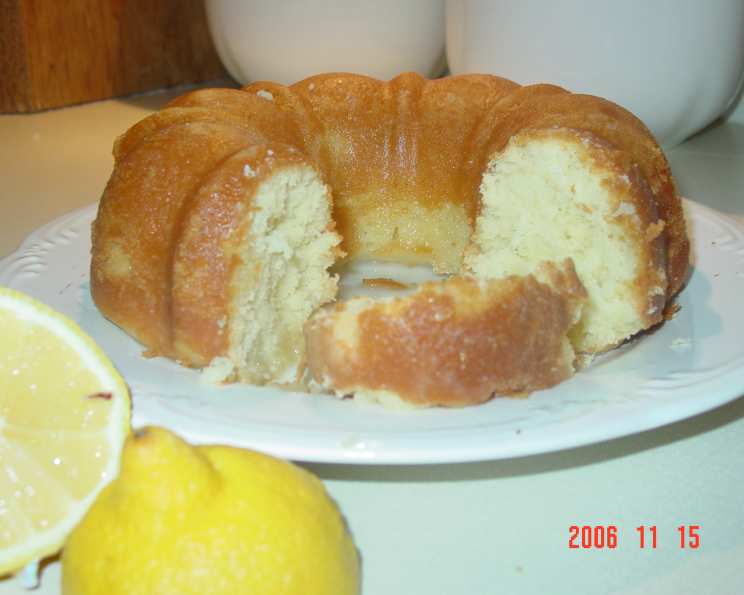
Rich Lemon Cake: A Burst of Sunshine in Every Slice
Lemon cake… the very words conjure up memories of sun-drenched afternoons spent in my grandmother’s kitchen. I can almost feel the warmth radiating from the old Aga stove, the air thick with the sweet, tangy scent of citrus and sugar. Nana’s lemon cake wasn’t just a dessert; it was a symbol of love, a comforting presence on birthdays, holidays, and every ordinary day in between. This recipe, though not hers exactly, captures that same sunny essence and transports me right back to her loving embrace.
Recipe Overview
- Prep Time: 20 minutes
- Cook Time: 1 hour
- Total Time: 1 hour 20 minutes
- Servings: 10-12
- Yield: 1 tube pan cake
- Dietary Type: Not specified
Ingredients
- 1 cup softened butter
- 1 1/4 cups sugar
- 3 eggs
- 1 tablespoon freshly grated lemon zest
- 2 teaspoons baking powder
- 1 teaspoon almond extract
- 1 cup milk
- 3 cups flour
- 3/4 cup freshly squeezed lemon juice
- 1 lb powdered sugar
Equipment Needed
- 9-inch tube pan or Bundt cake pan
- Large mixing bowl
- Electric mixer (handheld or stand mixer)
- Measuring cups and spoons
- Wooden or metal skewer or cake tester
- Serving plate or waxed paper
Instructions
-
Preheat your oven to 325 degrees Fahrenheit (160 degrees Celsius). Grease and flour a 9-inch tube pan or Bundt cake pan thoroughly. This ensures the cake releases easily after baking.
-
In a large bowl, cream together the softened butter and sugar using an electric mixer until the mixture is light and fluffy. This step is crucial for incorporating air into the batter, resulting in a tender crumb.
-
Beat in the eggs one at a time, ensuring each egg is fully incorporated before adding the next. Mix well after each addition. This prevents the batter from curdling and helps create a smooth emulsion.
-
Mix in the lemon zest, baking powder, and almond extract. The lemon zest provides intense lemon flavor, the baking powder acts as a leavening agent, and the almond extract enhances the overall flavor profile, complementing the lemon beautifully.
-
Add the milk and flour in alternating additions, beginning and ending with the milk. Mix very well after each addition. This method prevents the gluten in the flour from developing too much, which can lead to a tough cake.
-
Pour the batter into the prepared pan, spreading it evenly.
-
Bake for 1 hour, or until the cake is browned and the sides of the cake have pulled away slightly from the sides of the pan. A toothpick inserted into the center should come out clean or with only a few moist crumbs. If the cake is browning too quickly, loosely tent it with foil for the last 15-20 minutes of baking.
-
While the cake is baking, prepare the glaze. In a bowl, whisk together the freshly squeezed lemon juice and powdered sugar until smooth. The glaze should be pourable but not too thin.
-
Set the glaze aside.
-
Once the cake is removed from the oven, immediately poke small holes into the top of the cake using a wooden or metal skewer or cake tester. These holes will allow the glaze to soak into the cake, infusing it with even more lemon flavor and moisture.
-
Pour about 3/4 of the glaze over the top of the cake, ensuring it seeps into the holes.
-
Cool the cake completely in the pan. This allows the glaze to set and the cake to firm up, making it easier to remove from the pan without breaking.
-
Once the cake is completely cool, remove it from the pan. Invert it onto a serving plate or waxed paper if freezing.
-
Pour the remaining glaze over the top of the unglazed part of the cake. This ensures that the entire cake is covered in a luscious lemon glaze.
-
Let the cake sit at room temperature until the glaze dries. This usually takes about 30 minutes to an hour.
-
Cover and store at room temperature for up to 48 hours, or tightly seal in a freezer-proof container for up to 3 months.
-
Serve at room temperature or chilled.
-
Thawing Directions: Simply thaw overnight at room temperature.
Expert Tips & Tricks
- For an even more intense lemon flavor, try adding a teaspoon of lemon extract to the batter in addition to the zest.
- If your butter isn’t quite soft enough, you can microwave it in 5-second intervals, being careful not to melt it.
- To prevent the cake from sticking, use baking spray with flour instead of just greasing and flouring the pan.
- If the glaze is too thick, add a teaspoon of lemon juice at a time until you reach the desired consistency. If it’s too thin, add a tablespoon of powdered sugar at a time.
- For a beautiful presentation, garnish the cake with fresh berries or lemon slices.
Serving & Storage Suggestions
This rich lemon cake is best served at room temperature, allowing its flavors to fully develop. It’s delicious on its own, but also pairs well with a dollop of whipped cream or a scoop of vanilla ice cream. It’s perfect for afternoon tea, dessert after a meal, or any special occasion.
To store, cover the cake tightly at room temperature for up to 48 hours. For longer storage, tightly seal it in a freezer-proof container and freeze for up to 3 months. Thaw overnight at room temperature before serving.
Nutritional Information
| Nutrient | Amount per Serving | % Daily Value |
|---|---|---|
| Calories | 615.5 kcal | N/A |
| Calories from Fat | 190 g | 31% |
| Total Fat | 21.1 g | 32% |
| Saturated Fat | 12.8 g | 63% |
| Cholesterol | 108 mg | 36% |
| Sodium | 270.1 mg | 11% |
| Total Carbohydrate | 101.8 g | 33% |
| Dietary Fiber | 1.1 g | 4% |
| Sugars | 70 g | 280% |
| Protein | 6.8 g | 13% |
Note: Nutritional information is an estimate and may vary based on specific ingredients and serving sizes.
Variations & Substitutions
- Gluten-Free: Substitute the all-purpose flour with a gluten-free blend, ensuring it contains xanthan gum for binding.
- Dairy-Free: Replace the butter with a plant-based butter alternative and the milk with almond milk or oat milk.
- Citrus Twist: Experiment with different citrus fruits, such as oranges or limes, to create unique flavor variations.
- Poppy Seed Lemon Cake: Add 2-3 tablespoons of poppy seeds to the batter for a subtle crunch and visual appeal.
- Lemon Lavender Cake: Infuse the milk with dried lavender buds for a floral and aromatic twist.
FAQs (Frequently Asked Questions)
Q: Can I use bottled lemon juice instead of fresh?
A: While fresh lemon juice provides the best flavor, bottled lemon juice can be used in a pinch. However, be aware that the flavor may not be as vibrant.
Q: My cake is browning too quickly. What should I do?
A: Loosely tent the cake with foil for the last 15-20 minutes of baking to prevent it from over-browning.
Q: Can I freeze the cake with the glaze on it?
A: Yes, you can freeze the cake with the glaze on it. However, the glaze may become slightly sticky upon thawing.
Q: My glaze is too thick/thin. How can I fix it?
A: If the glaze is too thick, add a teaspoon of lemon juice at a time until you reach the desired consistency. If it’s too thin, add a tablespoon of powdered sugar at a time.
Q: Why is it important to grease and flour the pan?
A: Greasing and flouring the pan prevents the cake from sticking, ensuring it releases easily after baking.
Final Thoughts
This Rich Lemon Cake is more than just a recipe; it’s an invitation to create your own cherished memories. Whether you’re baking it for a special occasion or simply to brighten a weekday afternoon, I encourage you to give it a try. The combination of bright citrus flavors and a tender, moist crumb is sure to delight. Don’t be afraid to experiment with variations and substitutions to make it your own. And most importantly, enjoy the process of baking and sharing this delicious cake with those you love.