
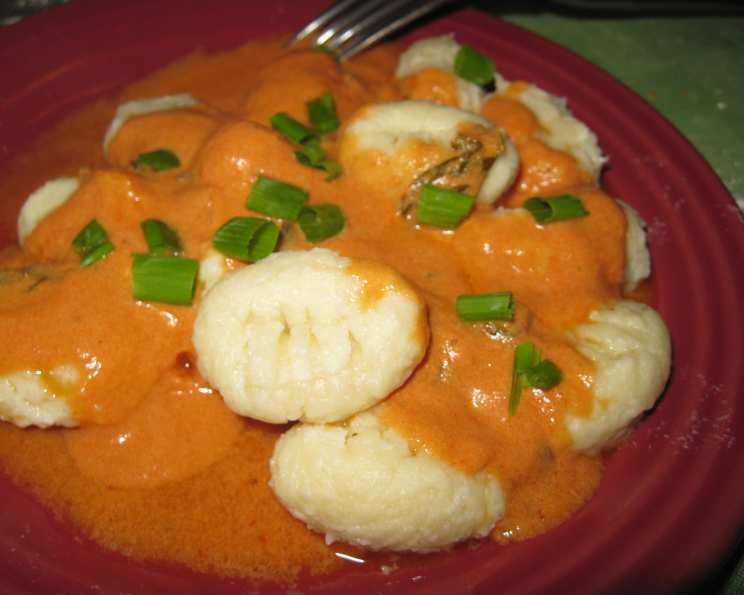
Pillows of Paradise: Mastering Ricotta Gnudi
The first time I tasted ricotta gnudi, it was in a tiny trattoria tucked away on a cobbled street in Florence. I remember the sheer simplicity of it – delicate, cloud-like dumplings bathed in a rich, earthy sauce. Each bite was an explosion of flavor, the subtle sweetness of the ricotta perfectly balanced by the savory depth of the sauce. It was so divine, that I knew I had to attempt recreating it myself. The experience ignited a passion for these little ricotta dumplings, and I’ve been tinkering with recipes ever since, always striving for that ethereal, melt-in-your-mouth perfection.
Recipe Overview
- Prep Time: 45 minutes
- Cook Time: 8 minutes
- Total Time: 1 hour 53 minutes
- Servings: 6
- Yield: About 36 gnudi
- Dietary Type: Vegetarian
Ingredients
- 1 lb fresh ricotta cheese
- 1 large egg
- 1/3 cup finely grated Pecorino Romano cheese, plus additional Pecorino Romano cheese, for serving (about 1 ounce)
- 1/2 teaspoon salt
- 1 pinch white pepper
- 3/4 cup all-purpose flour, plus additional all-purpose flour, for coating
Equipment Needed
- Medium bowl
- Paper towels
- Large bowl
- Large pot
Instructions
-
Begin by preparing the ricotta. Line a medium bowl with several layers of paper towels. Spoon the fresh ricotta cheese into the bowl. This step is crucial to remove excess moisture, ensuring the gnudi aren’t too wet and heavy. Let the ricotta drain for at least 30 minutes and up to 1 hour.
-
While the ricotta is draining, prepare the dumpling mixture. In a large bowl, beat together the egg, 1/3 cup finely grated Pecorino Romano cheese, salt, and white pepper until well blended. The Pecorino Romano adds a salty, savory depth to the gnudi, complementing the sweetness of the ricotta.
-
Once the ricotta has drained, add it to the bowl with the egg mixture and stir gently to combine. Be careful not to overmix, as this can make the gnudi tough.
-
Sprinkle 3/4 cup all-purpose flour over the ricotta mixture. Gently stir to just combine. Again, avoid overmixing. The goal is to incorporate the flour without developing too much gluten.
-
Cover the bowl and chill the dough for at least 1 hour. Chilling allows the flour to fully hydrate and the flavors to meld together. This step is essential for achieving the right consistency.
-
Bring a large pot of salted water to a rolling boil. Generously salt the water; this will season the gnudi from the inside out.
-
While waiting for the water to boil, dust a baking sheet or large plate generously with all-purpose flour.
-
Remove the ricotta mixture from the refrigerator. Using two spoons, gently form small, oval-shaped dumplings (about 1 inch in size). Lightly coat each gnudi with all-purpose flour as you form them, placing them on the prepared baking sheet. The flour coating helps prevent the gnudi from sticking together and also gives them a slight crust when cooked.
-
Carefully drop the gnudi into the boiling water in batches, being careful not to overcrowd the pot. Overcrowding will lower the water temperature and cause the gnudi to stick together.
-
Cook the gnudi in the boiling salted water until they are very tender, about 8 minutes. They will initially sink to the bottom, then float to the surface as they cook. Once they float, continue cooking for another minute or two to ensure they are cooked through.
-
Using a slotted spoon, carefully remove the gnudi from the boiling water and transfer them to a serving dish.
-
Serve immediately, topped with your favorite sauce and additional Pecorino Romano cheese. I personally love to serve these with a classic bolognese sauce.
Expert Tips & Tricks
- Draining the Ricotta: This is arguably the most critical step. Don’t skimp on the draining time! Excess moisture is the enemy of light and fluffy gnudi. You can even use cheesecloth for extra moisture removal.
- Gentle Handling: Treat the dough with the utmost care. Overmixing leads to tough gnudi. Think of it as whispering, not shouting, to the ingredients.
- Testing the Waters: Before committing the whole batch, cook a single gnudi to test the consistency and adjust cooking time if needed.
- Freezing for Later: You can freeze uncooked gnudi. Arrange them in a single layer on a baking sheet lined with parchment paper and freeze until solid. Then, transfer them to a freezer bag. Cook from frozen, adding a few extra minutes to the cooking time.
Serving & Storage Suggestions
Ricotta gnudi are best served immediately, piping hot, with your favorite sauce. A simple brown butter and sage sauce is also divine, allowing the delicate flavor of the gnudi to shine through. They also pair well with pesto, marinara, or creamy mushroom sauce.
Leftover cooked gnudi can be stored in an airtight container in the refrigerator for up to 2 days. Reheat gently in a saucepan with a little sauce or butter until heated through. Microwaving is not recommended as it can make them rubbery.
Nutritional Information
| Nutrient | Amount per Serving | % Daily Value |
|---|---|---|
| Calories | 201.2 kcal | N/A |
| Calories from Fat | 97 g | 48% |
| Total Fat | 10.8 g | 16% |
| Saturated Fat | 6.6 g | 32% |
| Cholesterol | 73.9 mg | 24% |
| Sodium | 269.5 mg | 11% |
| Total Carbohydrate | 14.3 g | 4% |
| Dietary Fiber | 0.4 g | 1% |
| Sugars | 0.3 g | 1% |
| Protein | 11.2 g | 22% |
Note: Nutritional information is an estimate and may vary based on specific ingredients and portion sizes.
Variations & Substitutions
- Gluten-Free Gnudi: Substitute the all-purpose flour with a gluten-free all-purpose blend. You may need to add a bit more or less depending on the specific blend.
- Herbaceous Twist: Add finely chopped fresh herbs like rosemary, thyme, or sage to the ricotta mixture for an extra layer of flavor.
- Lemon Zest: A touch of lemon zest in the ricotta mixture adds a bright, citrusy note.
- Spinach Gnudi: Squeeze the moisture out of cooked spinach and finely chop it. Add it to the ricotta mixture for a vibrant green gnudi.
- Cheese Swap: Try using a combination of ricotta and Parmesan cheese for a richer flavor.
FAQs (Frequently Asked Questions)
Q: Why are my gnudi falling apart when I cook them?
A: This is likely due to too much moisture in the ricotta or not enough flour in the dough. Make sure to drain the ricotta thoroughly and gradually add more flour until the dough holds its shape.
Q: Can I make the dough ahead of time?
A: Yes, you can make the dough up to 1 day ahead of time. Keep it covered and chilled in the refrigerator.
Q: How do I prevent the gnudi from sticking together while cooking?
A: Don’t overcrowd the pot and stir them gently as they cook. A well-salted boiling water will also help.
Q: What kind of sauce goes best with ricotta gnudi?
A: Ricotta gnudi are versatile and pair well with a variety of sauces. Classic options include bolognese, pesto, brown butter and sage, and marinara. Lighter sauces are often preferred to allow the delicate flavor of the gnudi to shine.
Q: Can I bake the gnudi instead of boiling them?
A: While traditionally boiled, you can bake gnudi. Arrange them in a baking dish with sauce and bake at 375°F (190°C) for about 20-25 minutes, or until heated through and lightly browned.
Final Thoughts
Ricotta gnudi might seem a bit intimidating at first, but trust me, the effort is absolutely worth it. The sensation of those delicate, pillowy dumplings melting in your mouth is truly unforgettable. Don’t be afraid to experiment with different sauces and flavors to create your own signature dish. Once you master the basic technique, the possibilities are endless. Gather your ingredients, embrace the process, and prepare to be transported to culinary paradise. I encourage you to try making these at home and share your creations; buon appetito!