
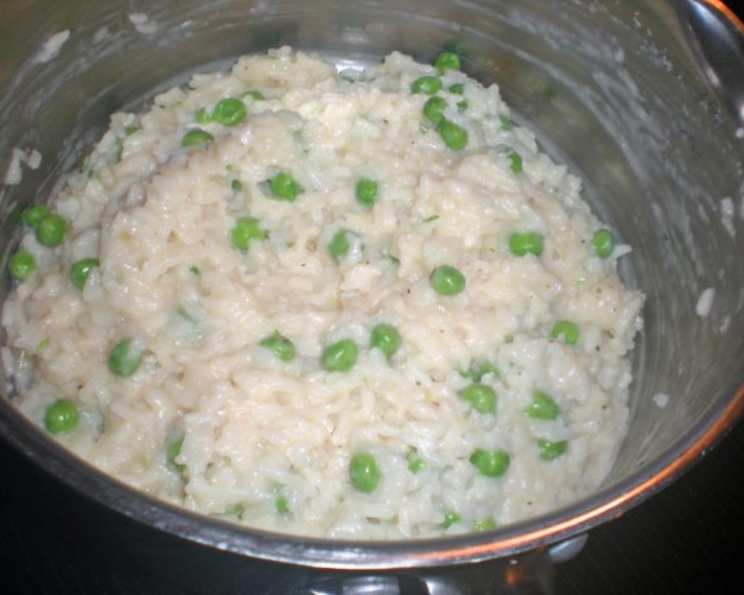
Risi E Bisi (Italian Rice and Peas) (Rice Cooker)
The scent of Risi e Bisi instantly transports me back to a small trattoria in Venice, nestled alongside a quiet canal. Sunlight dappled through the vines overhead as I savored the creamy, comforting dish. It was spring, and the air hummed with the promise of fresh peas. The subtle sweetness of the peas, the gentle bite of the rice, and the richness of the broth – it was pure culinary poetry, simple yet sublime. I’ve strived to recreate that magic ever since, and this rice cooker version brings the Venetian springtime to my own kitchen, any time of year.
Recipe Overview
- Prep Time: 10 minutes
- Cook Time: 25 minutes
- Total Time: 35 minutes
- Servings: 4-5
- Yield: Variable, depending on rice cooker size
- Dietary Type: Vegetarian (adaptable to vegan)
Ingredients
- 1 tablespoon olive oil
- 1 tablespoon unsalted butter
- 1/2 cup shallot, minced (or use mild onion)
- 1/2 cup celery, minced
- 2 tablespoons dry white wine
- 1 cup medium-grain risotto rice (superfino Arborio, Carnaroli, or Vialone nano)
- 3 cups meat stock or 3 cups vegetable stock
- 1 1/2 cups peas (fresh or frozen)
- 2 teaspoons unsalted butter
- 2 tablespoons heavy cream
- 1/4 cup Parmesan cheese
Equipment Needed
- Rice cooker
- Wooden spoon or plastic rice paddle
Instructions
- Set your rice cooker for the quick cook or regular cycle. If your rice cooker has a “porridge” or “risotto” setting, even better!
- Place the olive oil and butter in the rice cooker bowl.
- When the butter melts, add the shallots and celery.
- Cook, stirring a few times, until the shallots are softened but not browned, about 2 to 3 minutes. This gentle sautéing builds a base of flavor.
- Add the wine and cook for a couple of minutes, allowing the alcohol to evaporate and the wine’s flavor to concentrate. The aroma should be intoxicating!
- Add the rice and stir to coat the grains with the hot butter and oil.
- Cook, stirring occasionally, until the grains of rice are transparent except for a white spot on each, approximately 3-5 minutes. This toasting step is crucial for developing the characteristic creamy texture of risotto.
- Add the stock and peas (if you are using fresh, mature peas); stir to combine. Note: if you’re using very young, tender fresh peas or frozen peas, hold off on adding them until later.
- Close the cover and reset for the Porridge cycle, or for the regular cycle and set a timer for 20 minutes. Monitor closely, as rice cookers can vary.
- When the machine switches to the Keep Warm cycle or the timer sounds, stir the rice with a wooden or plastic rice paddle or wooden spoon.
- The rice should be only a bit liquid and the rice should be al dente, tender with just a touch of tooth resistance. It should have the consistency of a creamy risotto.
- If needed, cook for a few minutes longer, checking frequently to prevent sticking or burning.
- This rice will hold on the Keep Warm cycle for up to 1 hour.
- When ready to serve, add the peas, if you are using frozen or very tender fresh ones; stir just to combine.
- Add the butter and close the lid for 2-3 minutes to allow it to melt and the peas to heat through.
- Stir in the cream, cheese, and salt to taste.
- Serve immediately. Garnish with extra Parmesan if desired!
Expert Tips & Tricks
- Stock is Key: Use high-quality stock for the best flavor. Homemade is always preferable, but a good-quality store-bought stock will work in a pinch.
- Rice Choice Matters: Arborio, Carnaroli, or Vialone Nano rice are the classic choices for risotto. These medium-grain varieties have a high starch content, which contributes to the creamy texture. Don’t substitute with long-grain rice!
- Warm Stock: Using warm stock helps the rice cook more evenly. You can gently heat the stock in a saucepan on the stove or in the microwave before adding it to the rice cooker.
- Vegan Option: For a vegan version, substitute the butter with olive oil or a plant-based butter alternative, use vegetable stock, omit the cream and Parmesan cheese, and consider adding a tablespoon of nutritional yeast for a cheesy flavor.
- Don’t Overcook: The key to perfect Risi e Bisi is al dente rice. Avoid overcooking, as the rice will become mushy. Check the rice frequently towards the end of the cooking time.
- Salt to Taste: Season generously with salt throughout the cooking process. Taste and adjust as needed.
- Deglazing with Wine: Make sure the wine you use is good enough to drink. This will add an additional depth of flavor to your dish.
Serving & Storage Suggestions
Serve Risi e Bisi immediately as a first course or a light main course. It pairs beautifully with a crisp white wine, such as Pinot Grigio or Sauvignon Blanc. Garnish with fresh parsley or a drizzle of olive oil for an elegant presentation.
Leftovers can be stored in an airtight container in the refrigerator for up to 2 days. Reheat gently in a saucepan over low heat, adding a splash of stock or water if needed to prevent sticking. Microwaving is also an option, but may affect the texture. Freezing is not recommended, as the rice can become mushy upon thawing.
Nutritional Information
| Nutrient | Amount per Serving | % Daily Value |
|---|---|---|
| Calories | 330.5 kcal | N/A |
| Calories from Fat | 136g | 41% |
| Total Fat | 15.2 g | 23% |
| Saturated Fat | 7 g | 34% |
| Cholesterol | 33.9 mg | 11% |
| Sodium | 371.2 mg | 15% |
| Total Carbohydrate | 35.1 g | 11% |
| Dietary Fiber | 3.5 g | 14% |
| Sugars | 6.8 g | N/A |
| Protein | 12.2 g | 24% |
Note: Nutritional information is an estimate and may vary depending on specific ingredients and portion sizes.
Variations & Substitutions
- Spring Vegetable Medley: Add other seasonal vegetables, such as asparagus tips, fava beans, or zucchini, along with the peas.
- Mushroom Risi e Bisi: Sauté sliced mushrooms with the shallots and celery for a heartier, earthier dish.
- Saffron Infusion: Add a pinch of saffron threads to the stock for a vibrant color and delicate flavor.
- Lemon Zest: Grate lemon zest over the finished dish for a bright, citrusy note.
- Prosciutto Crisps: Top with crispy prosciutto for a salty, savory contrast to the sweetness of the peas.
FAQs (Frequently Asked Questions)
Q: Can I use frozen peas for Risi e Bisi?
A: Yes, frozen peas are a perfectly acceptable and convenient option. Add them towards the end of the cooking time to prevent them from becoming mushy.
Q: Can I make this recipe without wine?
A: Yes, you can omit the wine if you prefer. Simply skip the step of adding the wine and continue with the recipe. You might want to add a splash more stock to compensate for the lost liquid.
Q: How do I know when the Risi e Bisi is done?
A: The rice should be al dente, tender but with a slight bite. The mixture should be creamy but not soupy.
Q: Can I use a different type of rice?
A: While you can experiment with other types of rice, Arborio, Carnaroli, or Vialone Nano are the best choices for achieving the characteristic creamy texture of Risi e Bisi. Other types of rice may not release enough starch.
Q: How can I prevent the Risi e Bisi from sticking to the bottom of the rice cooker?
A: Stir the rice frequently, especially during the initial sautéing and toasting steps. Also, ensure there is enough liquid in the rice cooker throughout the cooking process.
Final Thoughts
I truly believe that Risi e Bisi, in its simplicity, encapsulates the essence of Italian cooking. It’s about highlighting fresh, seasonal ingredients and letting their natural flavors shine. This rice cooker version makes it incredibly easy to recreate this classic dish at home, bringing a touch of Venetian springtime to your table any time of year. So, gather your ingredients, fire up your rice cooker, and prepare to be transported! I’d love to hear your feedback and any creative twists you add to the recipe. Buon appetito!