
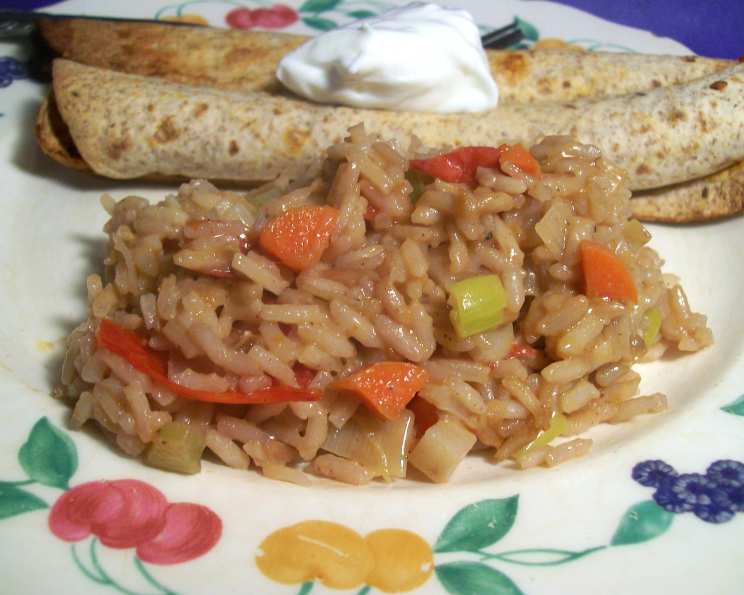
Risotto With Autumn Vegetables: A Culinary Embrace of the Season
The first time I tasted proper risotto, it wasn’t in a fancy restaurant, but huddled around a tiny camping stove in the Italian Alps. We’d hiked all day, the air crisp with the promise of snow, and our friend Marco, a nonna in disguise, conjured up a creamy, fragrant rice dish from seemingly nowhere. Every spoonful was a revelation, warmth radiating through me, connecting me to the earth and the simple pleasures of life. It was that experience that cemented my love for risotto, a dish that, when made with care, feels like a warm hug on a chilly autumn evening.
Recipe Overview
- Prep Time: 20 minutes
- Cook Time: 35 minutes
- Total Time: 55 minutes
- Servings: 4
- Dietary Type: Vegetarian
Ingredients
- 4 tablespoons unsalted butter
- 2 tablespoons olive oil
- 1 medium leek, rinsed well, dried, cut into 1/4-inch dice (white part only)
- 4 cups chicken broth, preferably homemade (or as needed)
- 2 cups Italian short-grain rice (such as Arborio or Tesori)
- 1 small carrot, pared and cut into 1/4-inch dice
- 1 small turnip, pared and cut into 1/4-inch dice
- 1 small celery rib, cut into 1/4-inch dice
- Salt and freshly ground black pepper to taste
- 1/4 cup freshly grated Parmesan cheese
- 1/4 cup diced canned Italian plum tomato
- 1 garlic clove, minced
Equipment Needed
- Large saucepan
- Small saucepan
Instructions
- Begin by melting 2 tablespoons of the butter along with the olive oil in a large saucepan over low heat. Watch closely; you want the butter to foam gently, not brown.
- Add the diced leek to the saucepan. Cook, stirring occasionally, until the leek is tender and wilted, about 10 minutes. This gentle cooking process is crucial for coaxing out the leek’s sweetness without burning it.
- While the leek is softening, pour the chicken broth into a small saucepan. Heat the broth until it is hot but not boiling. Maintain the broth at a very low heat to keep it ready for incorporation into the rice. Using warm broth is key to achieving a creamy risotto texture.
- Add the rice to the saucepan with the softened leek. Increase the heat to medium. Cook, stirring constantly, until the edges of the rice grains become translucent, about 5 minutes. This toasting process is important; it helps the rice release its starch, contributing to the risotto’s signature creaminess.
- Pour enough hot broth into the rice to cover it by approximately 1/4 inch. Adjust the heat to maintain a lively simmer, not a rolling boil. Simmer, stirring constantly, until the liquid is absorbed, and you can see the bottom of the pan as you stir, about 5 minutes. Constant stirring is essential to release the rice’s starches and prevent sticking.
- Add more hot broth to cover the rice by 1/4 inch and continue to simmer, stirring constantly, until the liquid is absorbed. Repeat this process of adding broth and simmering until the rice is tender but still slightly firm at the center, also known as “al dente”. This should take approximately 20 minutes from the time the first liquid is added. Patience is paramount; this gradual absorption is what builds the risotto’s characteristic texture.
- Halfway through the cooking process, season the risotto to taste with salt and freshly ground black pepper. Then, stir in the diced carrot, turnip, and celery. These vegetables will cook along with the rice, adding subtle sweetness and a pleasing textural contrast.
- Once the rice is cooked to your liking, stir in enough remaining hot broth to give the risotto a creamy consistency. You may not need all of the broth; trust your eye.
- Remove the saucepan from the heat. Stir in the remaining 2 tablespoons of butter, the grated Parmesan cheese, the diced Italian plum tomatoes, and the minced garlic. The residual heat will melt the butter and cheese, creating a luscious, flavorful sauce.
- Taste the risotto and adjust the seasonings as needed. Serve immediately. Risotto is best enjoyed fresh, as it tends to lose its creamy texture as it cools.
Expert Tips & Tricks
- Warm Broth is Key: Always use hot broth. Cold broth will lower the temperature of the rice and disrupt the cooking process, leading to a less creamy result.
- Don’t Over Stir: While constant stirring is important, avoid over-stirring, which can make the risotto gluey. Stir just enough to prevent sticking and encourage starch release.
- Taste As You Go: Taste the risotto frequently during the final stages of cooking to ensure the rice is cooked to your liking and the seasoning is balanced.
- Vegetable Prep: Cut the vegetables into uniformly sized dice for even cooking.
- Cheese Choice: While Parmesan is traditional, you can experiment with other hard, flavorful cheeses like Pecorino Romano or Grana Padano.
Serving & Storage Suggestions
Serve the risotto immediately in warmed bowls. Garnish with a sprinkle of fresh Parmesan cheese and a drizzle of olive oil, if desired. Fresh herbs like parsley or thyme also make a lovely addition.
Leftover risotto can be stored in an airtight container in the refrigerator for up to 2 days. Reheat gently over low heat on the stovetop, adding a splash of broth or water to loosen it up. You can also reheat it in the microwave, but be careful not to overcook it, as it can become rubbery. Freezing is not recommended, as the texture will change significantly.
Nutritional Information
| Nutrient | Amount per Serving | % Daily Value |
|---|---|---|
| Calories | 450 kcal | 23% |
| Total Fat | 18g | 28% |
| Saturated Fat | 10g | 50% |
| Cholesterol | 40mg | 13% |
| Sodium | 700mg | 30% |
| Carbohydrates | 60g | 20% |
| Fiber | 3g | 12% |
| Sugar | 4g | 8% |
| Protein | 12g | 24% |
Nutritional information is an estimate and may vary based on specific ingredients and portion sizes.
Variations & Substitutions
- Vegan Risotto: Substitute the butter with olive oil and the chicken broth with vegetable broth. Omit the Parmesan cheese or use a vegan Parmesan alternative.
- Seasonal Vegetables: Adapt the recipe to use whatever vegetables are in season. Consider adding butternut squash, sweet potatoes, or mushrooms in the fall, or asparagus and peas in the spring.
- Seafood Risotto: Add shrimp, scallops, or mussels to the risotto during the last few minutes of cooking.
- Saffron Risotto: Infuse the broth with saffron threads for a luxurious and fragrant variation.
- Wine Addition: Add a splash of dry white wine to the rice after toasting for extra depth of flavor.
FAQs (Frequently Asked Questions)
Q: Can I use any type of rice for risotto?
A: No, it’s essential to use a short-grain rice like Arborio or Carnaroli. These varieties have a higher starch content, which is necessary for creating the creamy texture.
Q: Why is it important to use warm broth?
A: Warm broth helps maintain the temperature of the rice and promotes even cooking. Cold broth can shock the rice and prevent it from releasing its starch properly.
Q: How do I know when the risotto is done?
A: The risotto is done when the rice is tender but still slightly firm at the center (“al dente”) and the mixture has a creamy consistency.
Q: Can I make risotto ahead of time?
A: Risotto is best enjoyed fresh, but you can partially cook it ahead of time. Stop cooking the rice when it is still slightly underdone, then finish cooking it just before serving.
Q: What can I do if my risotto is too thick?
A: If your risotto becomes too thick, simply stir in a little more hot broth or water until it reaches the desired consistency.
Final Thoughts
This risotto with autumn vegetables is more than just a recipe; it’s an invitation to slow down, savor the season, and create a dish that nourishes both body and soul. Don’t be intimidated by the process; with a little patience and attention, you can create a restaurant-quality risotto in your own kitchen. I encourage you to try this recipe, experiment with different vegetables and flavors, and share your creations with loved ones. Perhaps pair it with a crisp glass of Pinot Grigio or a comforting roasted chicken for a complete and unforgettable meal. Bon appétit!