
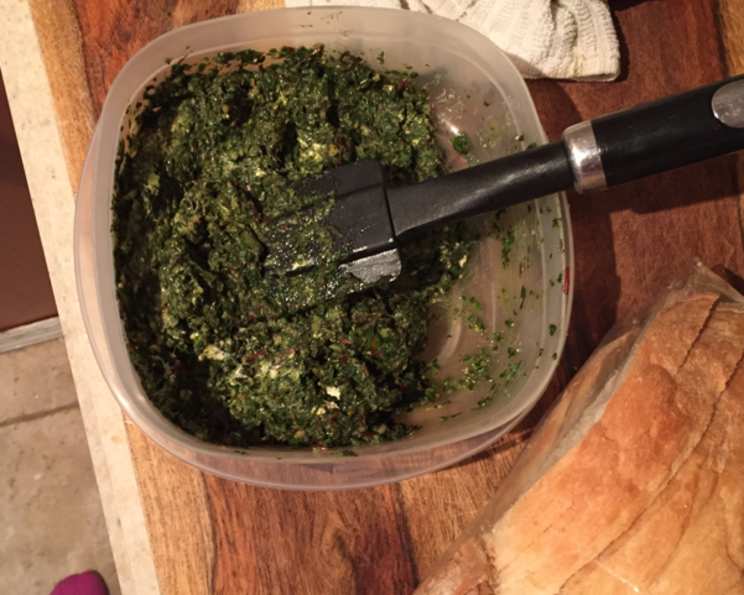
River Cottage Sorrel Pesto With Goat’s Cheese: A Burst of Spring
The scent of sorrel always takes me back to my grandmother’s garden. Tucked away in a forgotten corner, its bright green leaves, with their distinct lemony tang, were a secret treasure. She would often pluck a handful while tending her herbs, adding them to salads or, occasionally, whipping up a simple pesto. This River Cottage recipe, featuring goat’s cheese, is a sophisticated homage to those simple, delicious memories, bringing the same fresh, zesty flavor to the table with an elegant twist.
Recipe Overview
- Prep Time: 10 minutes
- Cook Time: 5 minutes
- Total Time: 15 minutes
- Servings: 4
- Yield: About 1 cup
- Dietary Type: Vegetarian
Ingredients
- 2 tablespoons pine nuts
- 1 small garlic clove, peeled and crushed
- Young sorrel (1-2 handfuls, about 45g in weight)
- Flat leaf parsley, stalks removed (1 small bunch)
- Sea salt
- 6 tablespoons extra virgin olive oil
- 30 g hard goat’s cheese, grated
Equipment Needed
- Small frying pan
- Food processor
- Bowl
Instructions
- Begin by gently toasting the pine nuts. Place them in a small frying pan over medium heat. Keep a close eye on them as they can burn quickly. Toast until they’re just beginning to turn golden brown and fragrant, about 3-5 minutes. Immediately tip them out of the pan and into a food processor to prevent further cooking.
- Add the crushed garlic clove, the sorrel, the flat leaf parsley, and a pinch of sea salt to the food processor with the toasted pine nuts.
- Pulse the mixture a few times until the ingredients are roughly chopped and combined. You don’t want a completely smooth paste at this stage; some texture is desirable.
- With the food processor running, slowly drizzle in the extra virgin olive oil. Pulse as you go, allowing the oil to emulsify and create a smooth, vibrant pesto. Continue adding the oil until the pesto reaches your desired consistency. You may not need all 6 tablespoons.
- Transfer the pesto mixture to a bowl.
- Gently stir in the grated hard goat’s cheese. Be careful not to overmix, as this can cause the cheese to become clumpy. The cheese adds a salty, tangy counterpoint to the bright, lemony sorrel.
- The pesto is now ready to serve!
Expert Tips & Tricks
- Toast the pine nuts carefully: Burnt pine nuts will ruin the flavor of the pesto. Keep a close watch and remove them from the heat as soon as they start to turn golden.
- Don’t over-process: Avoid over-processing the pesto, as this can result in a bitter taste. Aim for a slightly coarse texture.
- Taste and adjust: Taste the pesto and adjust the seasoning as needed. You may want to add more salt or a squeeze of lemon juice to enhance the flavor.
- Use high-quality olive oil: The quality of the olive oil will significantly impact the flavor of the pesto. Choose a good quality extra virgin olive oil for the best results.
- For a smoother pesto: If you prefer a smoother pesto, you can blanch the sorrel leaves in boiling water for a few seconds, then immediately plunge them into ice water to stop the cooking process. This will help to break down the fibers in the leaves and result in a smoother texture. Be sure to dry the leaves thoroughly before adding them to the food processor.
- Vegan option: For a vegan version, simply omit the goat’s cheese and add a tablespoon of nutritional yeast for a cheesy flavor.
- Make it ahead: The pesto can be made ahead of time and stored in the refrigerator for up to a week.
Serving & Storage Suggestions
This River Cottage sorrel pesto with goat’s cheese is incredibly versatile. Toss it with freshly cooked pasta, spread it on grilled chicken or fish, or use it as a topping for bruschetta. It’s also delicious stirred into soups or used as a flavorful marinade.
To store, transfer the pesto to an airtight jar. Pour a thin layer of olive oil over the top to prevent oxidation and discoloration. The pesto will keep in the refrigerator for up to a week. You can also freeze the pesto for longer storage. Spoon it into ice cube trays and freeze until solid, then transfer the frozen cubes to a freezer bag. The pesto will keep in the freezer for up to 3 months. Thaw the pesto in the refrigerator before using.
Nutritional Information
| Nutrient | Amount per Serving | % Daily Value |
|---|---|---|
| Calories | 235.8 kcal | N/A |
| Calories from Fat | 228 g | 97% |
| Total Fat | 25.4 g | 39% |
| Saturated Fat | 4.5 g | 22% |
| Cholesterol | 5.9 mg | 1% |
| Sodium | 39.2 mg | 1% |
| Total Carbohydrate | 1 g | 0% |
| Dietary Fiber | 0.2 g | 0% |
| Sugars | 0.3 g | 1% |
| Protein | 2.2 g | 4% |
Note: Nutritional information is an estimate and may vary depending on specific ingredients and portion sizes.
Variations & Substitutions
- Different Nuts: If you don’t have pine nuts, you can substitute them with walnuts, almonds, or even sunflower seeds. Toast them as you would the pine nuts for the best flavor.
- Other Herbs: Feel free to experiment with other herbs in addition to or instead of parsley. Basil, mint, or chives would all be delicious additions.
- Citrus Zest: Add a teaspoon of lemon or orange zest to brighten the flavor of the pesto.
- Spicy Kick: Add a pinch of red pepper flakes for a touch of heat.
- Cheese Variations: Instead of hard goat’s cheese, try using Parmesan, Pecorino Romano, or even a soft goat cheese for a creamier texture.
- Sorrel Alternatives: If you can’t find sorrel, try using a mix of spinach and lemon juice to mimic the tangy flavor. Arugula can also work in a pinch.
FAQs (Frequently Asked Questions)
Q: Can I make this pesto without a food processor?
A: While a food processor is the easiest way to make pesto, you can also use a mortar and pestle or finely chop all the ingredients and mix them together by hand.
Q: How long will the pesto last in the refrigerator?
A: Stored properly in an airtight container with a layer of olive oil on top, the pesto will last for up to a week in the refrigerator.
Q: Can I freeze the pesto?
A: Yes, pesto freezes very well. Spoon it into ice cube trays and freeze until solid, then transfer the frozen cubes to a freezer bag.
Q: What can I use this pesto on?
A: This pesto is incredibly versatile and can be used on pasta, grilled meats, fish, vegetables, bruschetta, or as a marinade.
Q: Is this recipe gluten-free?
A: Yes, this recipe is naturally gluten-free as long as it’s served with gluten-free accompaniments.
Final Thoughts
This River Cottage sorrel pesto with goat’s cheese is a celebration of fresh, seasonal flavors. The tangy sorrel, fragrant herbs, and salty goat’s cheese create a symphony of tastes that will awaken your palate. It’s a simple yet elegant dish that’s perfect for a quick weeknight meal or a special occasion. I encourage you to try this recipe and experience the vibrant flavors of spring in every bite. Don’t hesitate to experiment with variations and make it your own. And please, share your feedback – I’d love to hear how you enjoyed it! Consider serving it with a crisp, dry white wine like Sauvignon Blanc to complement the pesto’s bright acidity.