
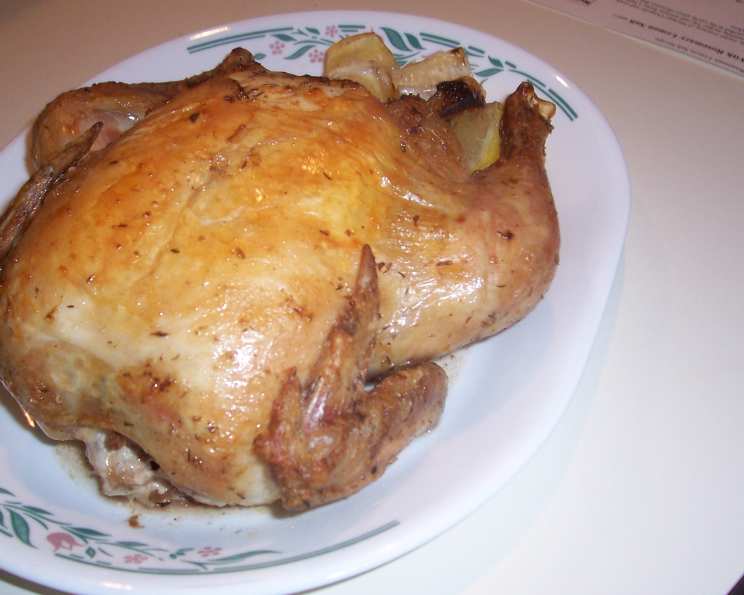
Roast Chicken With Rosemary Lemon Salt
The aroma of roasting chicken is pure comfort, isn’t it? I remember one particularly blustery autumn day, years ago, when I was just starting out as a line cook. The head chef, a gruff but secretly kind soul named Jacques, tasked me with preparing the restaurant’s roast chicken for the evening. The simple scent of lemon and rosemary, mingling with the rich, savory chicken juices, filled the kitchen, chasing away the gloom of the weather outside. It was then I realized that sometimes, the simplest dishes are the most satisfying, and this Rosemary Lemon Salt Roast Chicken embodies that perfectly.
Recipe Overview
- Prep Time: 15 minutes
- Cook Time: 1 hour 15 minutes
- Total Time: 1 hour 30 minutes
- Servings: 6
- Yield: 1 roast chicken
- Dietary Type: Gluten-Free, Dairy-Free
Ingredients
- 1 (4 lb) chicken
- 1 1⁄2 tablespoons extra virgin olive oil
- 1 sprig fresh rosemary
- 1 lemon, cut in chunks
Seasoned Salt
- 1 tablespoon finely zested fresh lemon rind
- 1 tablespoon minced fresh rosemary
- 1 tablespoon salt
- Black pepper
Equipment Needed
- Roasting pan
- Small bowl
- Zester
- Skewer
Instructions
- Preheat your oven to 450°F (232°C). High heat at the start helps to crisp the skin beautifully.
- Rinse the chicken inside and out under cold water. Pat it completely dry with paper towels. A dry bird is essential for achieving that coveted crispy skin.
- In a small bowl, combine the lemon zest, minced rosemary, salt, and pepper. Mix thoroughly. This rosemary lemon salt mixture is what will give our chicken its incredible flavor.
- Rub the chicken all over with the olive oil. This helps the seasoned salt adhere and promotes even browning.
- Now, generously rub the entire chicken with the prepared seasoned salt mixture. Make sure to get it into all the nooks and crannies for maximum flavor impact.
- Tuck the sprig of fresh rosemary and the lemon chunks into the cavity of the chicken. The lemon will steam the inside of the bird, creating incredibly juicy meat.
- Place the chicken in a roasting pan. It’s best to use a pan with a rack to elevate the chicken, allowing for better air circulation and even cooking.
- Roast the chicken for 15 minutes at 450°F (232°C). This initial blast of high heat kickstarts the browning process.
- Reduce the oven temperature to 375°F (190°C) and continue roasting for about one more hour, or until the juices run clear when the thigh is pierced with a skewer. The internal temperature of the thickest part of the thigh should reach 165°F (74°C) for safe consumption. If the skin starts to get too dark, you can tent the chicken loosely with foil.
- Remove the chicken from the oven and let it rest for 15 minutes before carving. This resting period allows the juices to redistribute, resulting in a more tender and flavorful bird.
Expert Tips & Tricks
- Elevate for Even Cooking: Using a roasting rack is key! If you don’t have one, you can create a makeshift rack by layering thick-cut vegetables like carrots, celery, and onions at the bottom of the pan. This will lift the chicken and infuse it with even more flavor.
- Basting is Best: While the original recipe doesn’t call for it, basting the chicken with pan juices every 20 minutes or so after reducing the oven temperature will create an even more flavorful and moist bird.
- Don’t Overcrowd the Pan: Make sure there’s enough space around the chicken in the roasting pan for the hot air to circulate. This prevents steaming and encourages browning.
- Brining for Extra Moisture: For an even juicier chicken, consider brining it for a few hours or overnight before roasting. A simple brine can be made with salt, sugar, and water.
- Check for Doneness: Always use a meat thermometer to check for doneness. Insert it into the thickest part of the thigh, avoiding the bone. The internal temperature should reach 165°F (74°C).
Serving & Storage Suggestions
Serve the roasted chicken hot, carved, and ideally with the pan juices drizzled over the top. It pairs perfectly with roasted vegetables like potatoes, carrots, and Brussels sprouts, or a simple green salad.
Leftover roast chicken can be stored in an airtight container in the refrigerator for up to 3-4 days. For longer storage, you can freeze the cooked chicken for up to 2-3 months. To reheat, you can warm it in the oven at 350°F (175°C) until heated through, or microwave it in short intervals to prevent drying out.
Nutritional Information
| Nutrient | Amount per Serving | % Daily Value |
|---|---|---|
| Calories | 429.9 kcal | N/A |
| Calories from Fat | 280 g | 65% |
| Total Fat | 31.2 g | 47% |
| Saturated Fat | 8.4 g | 42% |
| Cholesterol | 138 mg | 46% |
| Sodium | 1292.3 mg | 53% |
| Total Carbohydrate | 2.1 g | 0% |
| Dietary Fiber | 1 g | 3% |
| Sugars | 0 g | 0% |
| Protein | 34.5 g | 68% |
Variations & Substitutions
- Herb Variations: Experiment with different herbs in the seasoned salt. Thyme, oregano, or sage would all be delicious additions.
- Citrus Twist: Instead of lemon, try using orange or grapefruit in the cavity for a different citrus flavor.
- Spicy Kick: Add a pinch of red pepper flakes to the seasoned salt for a touch of heat.
- Garlic Infusion: Rub the chicken with minced garlic along with the olive oil for a richer flavor.
- Wine Basting: Basting with white wine instead of pan juices can add another layer of flavor. Choose a dry white wine like Sauvignon Blanc or Pinot Grigio.
FAQs (Frequently Asked Questions)
Q: Why is it important to dry the chicken before roasting?
A: Drying the chicken thoroughly removes surface moisture, which allows the skin to crisp up and brown properly in the oven.
Q: Can I use dried rosemary instead of fresh?
A: While fresh rosemary provides the best flavor, you can use dried rosemary in a pinch. Use about 1 teaspoon of dried rosemary for every tablespoon of fresh.
Q: How do I prevent the chicken from drying out?
A: Roasting at the correct temperature, basting with pan juices, and not overcooking the chicken are all key to preventing dryness. Brining the chicken beforehand can also help retain moisture.
Q: Can I add vegetables to the roasting pan?
A: Absolutely! Adding vegetables like potatoes, carrots, and onions to the roasting pan not only adds flavor but also makes for a complete meal.
Q: What should I do if the chicken skin starts to burn?
A: If the chicken skin starts to brown too quickly, tent the chicken loosely with aluminum foil to protect it from the heat.
Final Thoughts
This Rosemary Lemon Salt Roast Chicken is a testament to the power of simple ingredients and straightforward techniques. It’s a dish that’s perfect for a weeknight dinner or a special occasion. The fragrant rosemary, the bright lemon, and the perfectly roasted chicken create a symphony of flavors that’s sure to delight. So, gather your ingredients, preheat your oven, and prepare to create a truly memorable meal. Don’t hesitate to experiment with variations and make it your own. And most importantly, enjoy the process! I’d love to hear how it turns out, so feel free to share your feedback.