
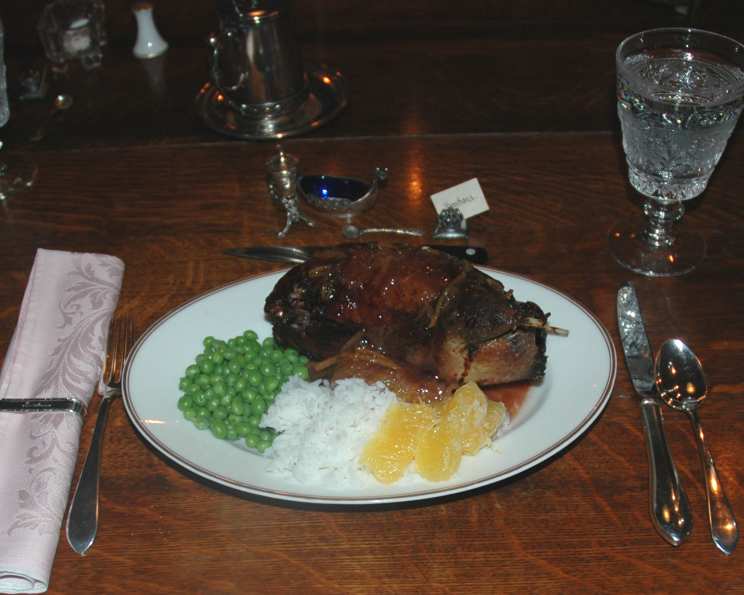
Roast Duck with Orange Sauce: A Culinary Ode to Julia Child
My earliest memory of duck à l’orange isn’t in some fancy bistro, but in my grandmother’s bustling kitchen. She’d crank up the volume on Julia Child’s “Mastering the Art of French Cooking” and, with a mischievous twinkle in her eye, tackle this seemingly complex dish. The air would fill with the tantalizing aroma of citrus and roasting fowl, a scent that instantly transported me to a world of culinary adventure. It wasn’t just about the duck; it was about the shared experience, the laughter, and the sheer joy of creating something extraordinary.
Recipe Overview
- Prep Time: 45 minutes
- Cook Time: 30 minutes
- Total Time: 1 hour 15 minutes
- Servings: 2
- Yield: 2 small ducklings
- Dietary Type: Omnivore
Ingredients
For the Stock:
- 2 tablespoons peanut oil
- 1 duck giblets (along with neck, wing tips cut into 1-inch pieces, if not in frozen duck, use some of the fat from the ducklings)
- 1 carrot, sliced
- 1 onion, sliced
- 1 cup beef bouillon
- 3 cups water
- 4 parsley sprigs
- 1 bay leaf
- 1/4 teaspoon sage
For the Sauce:
- 1 quart water
- 4 oranges
- 3 tablespoons sugar
- 1/4 cup red wine vinegar
- 1 tablespoon cornstarch
- 3/4 cup port wine (Ruby port recommended)
- 1 1/2 ounces orange liqueur
- 1/2 teaspoon lemon juice (optional)
- 1 tablespoon butter, softened
For the Duck:
- 2 lbs ducklings
- Salt (to taste)
- Pepper (to taste)
Equipment Needed
- Large saucepan or Dutch oven
- Small saucepan
- Roasting pan with rack
- Small bowl
- Sauceboat
Instructions
-
Prepare the Stock: Start the stock well in advance. In a large saucepan or Dutch oven, heat the peanut oil over medium-high heat. Brown the duck giblets (along with the neck and wing tips, if using), sliced carrot, and sliced onion in the hot oil. You can substitute duck fat for the peanut oil if you have it available, rendering some from the ducklings themselves. This will deepen the flavor of the stock.
-
Simmer the Stock: Add the beef bouillon and water to the browned ingredients. Bring the mixture to a simmer, then add the parsley sprigs, bay leaf, and sage. Reduce the heat to low and simmer uncovered, until the liquid has reduced to about 2 cups. This could take an hour or more.
-
Strain the Stock: Once reduced, skim off any fat or scum that has accumulated on the surface of the stock. Strain the stock through a fine-mesh sieve, discarding the solids. Set the strained stock aside or refrigerate until needed.
-
Prepare the Orange Peel: While the stock is simmering, prepare the orange peel for both the duck and the sauce. This step needs to be done in advance. Bring 1 quart of water to a simmer in a small saucepan.
-
Zest the Oranges: Using a vegetable peeler or zester, carefully peel the oranges, making sure to remove only the orange-colored zest and avoiding the bitter white pith underneath. Cut the zest into thin strips, about 1/8 inch wide and 1 1/2 inches long. This is called julienning.
-
Blanch the Orange Peel: Add the julienned orange peel to the simmering water and simmer for 6 minutes. Drain the peel and rinse it under cold water. Dry the peel and set it aside.
-
Segment the Oranges: Peel the oranges completely, removing all of the pith. Carefully segment the oranges by cutting along the membranes to release the individual segments. Place the orange segments in a covered container and set aside or refrigerate.
-
Prepare the Ducklings: Prepare the ducklings by trimming any loose fat and making sure all feathers are removed. Removing the wishbone from the breast is optional but makes carving easier later.
-
Prick the Duck Skin: Using a fork or sharp knife, prick the skin of the ducklings all over, being careful not to pierce the meat. This will allow the fat to render out during cooking, resulting in crispier skin and basting the duck.
-
Season and Stuff: Season the cavities of the ducklings with salt and pepper. Place one-third of the julienned orange peel and one-third of the orange segments inside each duckling.
-
Preheat the Oven: Since the small ducklings will roast relatively quickly, you can start making the sauce now. Preheat the oven to 450°F (232°C).
-
Caramelize the Sugar: In a small saucepan, combine the sugar and red wine vinegar over low heat. Blend them together until the sugar is dissolved.
-
Boil the Caramel: Increase the heat to medium-high and boil the mixture rapidly until it begins to caramelize, turning a golden amber color.
-
Deglaze with Stock: Reduce the heat to low. Carefully add half of the duck stock to the caramelized sugar, stirring constantly until the mixture is no longer caramelized and is smooth. Be careful, as the mixture may sputter.
-
Add Remaining Ingredients: Remove the saucepan from the heat. Add the remaining duck stock, cornstarch blended with 2 tablespoons of the port wine, the remaining orange peel, and all but a few of the orange segments (save these for garnish).
-
Simmer the Sauce: Return the saucepan to low heat and simmer the sauce for 3-4 minutes, until it is slightly thickened and clear. Correct the seasoning with salt and pepper to taste. Keep the sauce warm.
-
Roast the Ducklings: Place the ducklings on a rack in a small roasting pan, breast side up, and place them in the preheated oven.
-
Roast and Turn: Roast the ducklings for 5 minutes at 450°F (232°C), then reduce the oven temperature to 350°F (175°C). Turn the ducklings onto one side and place them back in the oven. Continue to roast and turn the ducklings, ensuring even browning, until the duck is breast up again. The total roasting time should be about 25 to 30 minutes, depending on the size of the ducklings.
-
Check for Doneness: The ducklings are done when the juices run rosy-clear when pierced with a fork in the thickest part of the thigh.
-
Rest the Duck: Once cooked, place the ducklings on warmed individual platters and keep them warm while you finish the sauce.
-
Deglaze the Roasting Pan: Remove as much of the fat from the roasting pan as possible. Deglaze the pan with the remaining port wine, scraping up any browned bits from the bottom.
-
Finish the Sauce: Add the deglazed pan juices to the simmering sauce. Bring the sauce to a simmer, then add the orange liqueur. Correct the seasoning with lemon juice if the sauce seems too sweet.
-
Enrich the Sauce: Remove the sauce from the heat and swirl in the softened butter to enrich the sauce and give it a glossy sheen.
-
Serve: Spoon some of the sauce over the ducks on the platters. Pour the remaining sauce into a warmed sauceboat. Garnish the ducks with the reserved orange segments. Serve immediately with rice and peas on the side.
Expert Tips & Tricks
- For extra crispy skin, let the ducklings air-dry in the refrigerator, uncovered, for several hours or overnight before roasting.
- If your sauce becomes too thick, add a little more duck stock or water to thin it out.
- Don’t discard the rendered duck fat! It’s a prized ingredient for roasting potatoes or vegetables, adding incredible flavor.
- To prevent the orange peel from becoming bitter, blanch it multiple times, changing the water each time.
- If you don’t have port wine, you can substitute a dry red wine like Pinot Noir.
- Make the stock a day in advance to deepen the flavor and save time on the day of cooking.
Serving & Storage Suggestions
Serve the roast duck immediately, garnished with the remaining orange segments and accompanied by a side of rice and peas. The bright acidity of the orange sauce pairs beautifully with the richness of the duck.
Leftover roast duck can be stored in the refrigerator for up to 3 days. Reheat gently in a low oven or microwave. The sauce can also be stored separately in the refrigerator for up to 3 days.
Nutritional Information
| Nutrient | Amount per Serving | % Daily Value |
|---|---|---|
| Calories | 1492 kcal | N/A |
| Calories from Fat | 624 g | 42% |
| Total Fat | 69.3 g | 106% |
| Saturated Fat | 19.4 g | 97% |
| Cholesterol | 633.1 mg | 211% |
| Sodium | 1150.9 mg | 47% |
| Total Carbohydrate | 75.1 g | 25% |
| Dietary Fiber | 8.1 g | 32% |
| Sugars | 54.7 g | N/A |
| Protein | 115.4 g | 230% |
Note: Nutritional information is an estimate and may vary based on specific ingredients and cooking methods.
Variations & Substitutions
- Spiced Orange Sauce: Add a pinch of cinnamon, cloves, or star anise to the sauce for a warmer, more aromatic flavor.
- Honey-Glazed Duck: Substitute honey for the sugar in the sauce for a slightly sweeter and stickier glaze.
- Cranberry Orange Sauce: Replace some of the orange segments with cranberries for a tart and festive twist, especially great for holiday meals.
- Maple-Glazed Duck: Swap the orange sauce for a maple syrup and Dijon mustard glaze for a smoky-sweet flavor profile.
- Different Citrus: Experiment with other citrus fruits like blood oranges, mandarins, or even grapefruit for unique flavor variations.
FAQs (Frequently Asked Questions)
Q: How do I ensure the duck skin is crispy?
A: Score the skin before cooking to allow fat to render out and pat the duck dry before roasting. You can also finish it under the broiler for the last few minutes, watching carefully to prevent burning.
Q: Can I use store-bought duck stock instead of making my own?
A: Yes, store-bought duck stock can be used in a pinch, but homemade stock will always yield a richer and more flavorful sauce.
Q: What if I don’t have orange liqueur?
A: You can substitute a different fruit liqueur, such as Grand Marnier or Cointreau. In a pinch, add a splash of orange juice and a teaspoon of orange extract.
Q: How do I prevent the orange peel from being bitter?
A: Blanching the orange peel multiple times in boiling water helps to remove some of the bitterness.
Q: What sides go well with roast duck?
A: Classic pairings include wild rice pilaf, roasted root vegetables, braised red cabbage, or a simple green salad.
Final Thoughts
Roast Duck with Orange Sauce, or Canard à l’Orange, may seem intimidating, but with a little patience and attention to detail, it’s a surprisingly achievable dish. This recipe, inspired by Julia Child’s timeless techniques, transforms humble ingredients into a culinary masterpiece. So, gather your ingredients, embrace the process, and don’t be afraid to experiment. The joy of creating a truly delicious meal is well worth the effort. Share your culinary creations with loved ones, and let the warmth and flavors of this classic dish bring everyone together. Bon appétit!