
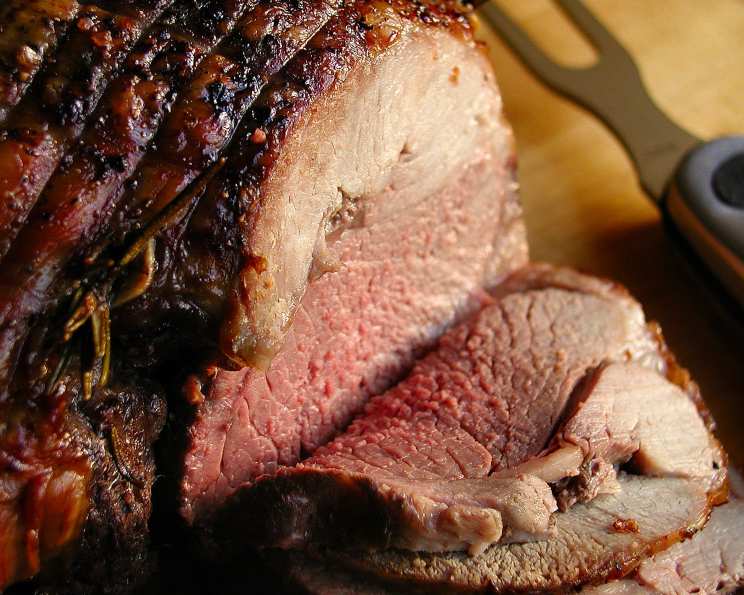
Roast Leg of Lamb With Rosemary and Garlic
The aroma always takes me back. It’s Sunday afternoon, and the windows are slightly steamed from the heat of the oven. My grandmother, apron dusted with flour, is humming a tune as she bastes the lamb, the scent of rosemary and garlic filling the entire house. This wasn’t just a meal; it was a ritual, a cornerstone of family gatherings, a taste of pure comfort and love. To this day, the mere thought of roast leg of lamb with rosemary and garlic evokes a wave of warmth and nostalgia.
Recipe Overview
- Prep Time: 15 minutes
- Cook Time: 2 hours
- Total Time: 2 hours 15 minutes
- Servings: 6
- Yield: 1 roast
- Dietary Type: Pescatarian (depending on gravy ingredients)
Ingredients
- 4 ½ lbs leg of lamb
- 2 garlic cloves, cut into thin slivers
- 2 tablespoons fresh rosemary
- 1 tablespoon oil
- Salt
- Freshly ground pepper
- ¾ cup water
Equipment Needed
- Small, sharp knife
- Baking tin
- Wire rack
Instructions
-
Begin by preheating your oven to 350°F (175°C). It’s crucial to have a consistent oven temperature for even cooking.
-
Take your leg of lamb and, using a small, sharp knife, carefully cut slits all over the surface, both top and bottom. The slits should be deep enough to hold the garlic and rosemary but not so deep that you risk tearing the meat. Think of it as creating tiny pockets of flavor.
-
Now, it’s time to infuse the lamb with those wonderful aromatics. Insert the thin slivers of garlic and sprigs of fresh rosemary into the slits you’ve created. Pack them in snugly; this is where the magic happens.
-
In a small bowl, prepare your basting mixture. Brush the leg of lamb generously with oil. Then, season liberally with salt and freshly ground pepper. Don’t be shy with the seasoning; it’s key to a flavorful crust.
-
Place the lamb on a wire rack inside a baking tin. This allows for better air circulation and even cooking. Pour ¾ cup of water into the bottom of the baking tin. The water will help to create steam, keeping the lamb moist and preventing it from drying out.
-
Roast in the preheated oven for approximately 2 hours, basting frequently with the pan juices. Basting is essential; it helps to keep the lamb moist and adds layers of flavor to the crust.
-
After 2 hours, remove the lamb from the oven. Cover it loosely with aluminum foil. This allows the meat to “rest,” which is crucial for redistributing the juices and ensuring a more tender and flavorful final product.
-
Allow the lamb to rest for about 15 minutes before carving. This is a critical step; don’t skip it!
-
Carve the lamb against the grain and serve immediately.
Expert Tips & Tricks
-
Score the Fat: Before you start, lightly score the fat cap on the lamb in a crosshatch pattern. This helps the fat render properly, creating a crispier skin.
-
Use a Meat Thermometer: For perfect doneness, use a meat thermometer. Aim for an internal temperature of 130-135°F (54-57°C) for medium-rare, 140-145°F (60-63°C) for medium, or 150-155°F (66-68°C) for medium-well. Remember that the internal temperature will continue to rise a few degrees as the lamb rests.
-
Make a Pan Gravy: Don’t discard those delicious pan juices! Strain them into a saucepan, skim off any excess fat, and thicken with a slurry of cornstarch and water or a roux for a rich and flavorful gravy. Add a splash of red wine for extra depth.
-
Marinate for Extra Flavor: For even more intense flavor, marinate the lamb overnight in a mixture of olive oil, garlic, rosemary, lemon juice, and salt and pepper.
-
Don’t overcrowd the pan: When roasting vegetables under the lamb, make sure you don’t overcrowd the pan. Overcrowding lowers the oven temperature and steams the vegetables instead of roasting them. Use a larger pan or roast the vegetables separately.
Serving & Storage Suggestions
We love serving this roast leg of lamb with roasted vegetables like potatoes, carrots, and parsnips. A side of peas, a generous drizzle of homemade gravy, and a dollop of mint jelly complete the meal.
Leftover lamb can be stored in an airtight container in the refrigerator for up to 3 days. Reheat gently in the oven or microwave. Cold lamb is also delicious in sandwiches or salads. You can also freeze cooked lamb for up to 2-3 months. Make sure to wrap it tightly to prevent freezer burn. Reheat in the oven at a low temperature or thaw in the refrigerator overnight.
Nutritional Information
| Nutrient | Amount per Serving | % Daily Value |
|---|---|---|
| Calories | 706.1 kcal | N/A |
| Calories from Fat | 433 g | 61% |
| Total Fat | 48.2 g | 74% |
| Saturated Fat | 20 g | 100% |
| Cholesterol | 227.9 mg | 75% |
| Sodium | 194.2 mg | 8% |
| Total Carbohydrate | 0.5 g | 0% |
| Dietary Fiber | 0.1 g | 0% |
| Sugars | 0 g | 0% |
| Protein | 63.3 g | 126% |
Variations & Substitutions
- Mediterranean Twist: Add lemon zest, oregano, and a pinch of red pepper flakes to the rub for a Mediterranean-inspired flavor profile.
- Mustard Crust: Spread the lamb with Dijon mustard before adding the rosemary and garlic for a tangy crust.
- Root Vegetables: Incorporate root vegetables like turnips, sweet potatoes, or beets into the roasting pan for a heartier meal.
- Wine Infusion: Add a cup of red wine to the bottom of the roasting pan along with the water for extra flavor and moisture.
- Spice Rub: Replace rosemary and garlic with a combination of cumin, coriander, smoked paprika, and chili powder.
FAQs (Frequently Asked Questions)
Q: How do I prevent the lamb from drying out during roasting?
A: Basting the lamb frequently with the pan juices is crucial for keeping it moist. You can also add more water to the bottom of the roasting pan if it evaporates too quickly.
Q: What is the best way to check for doneness?
A: The most accurate way to check for doneness is to use a meat thermometer. Insert the thermometer into the thickest part of the lamb, avoiding any bones.
Q: Can I prepare the lamb ahead of time?
A: You can prepare the lamb a day in advance by cutting the slits and inserting the garlic and rosemary. Store it in the refrigerator until ready to roast.
Q: What should I do if the lamb starts to brown too quickly?
A: If the lamb starts to brown too quickly, loosely tent it with aluminum foil to prevent it from burning.
Q: Can I use dried rosemary instead of fresh?
A: While fresh rosemary is preferred, you can use dried rosemary in a pinch. Use about 1 teaspoon of dried rosemary for every tablespoon of fresh rosemary.
Final Thoughts
This roast leg of lamb with rosemary and garlic is more than just a recipe; it’s an experience. It’s the comforting aroma that fills your home, the joyful gathering of family and friends, and the satisfying taste of a perfectly cooked roast. So, gather your ingredients, preheat your oven, and prepare to create a culinary masterpiece that will be cherished for years to come. Don’t hesitate to experiment with the variations and substitutions to make it your own. Share your creations with loved ones and let the magic of this dish bring warmth and joy to your table. Enjoy!