
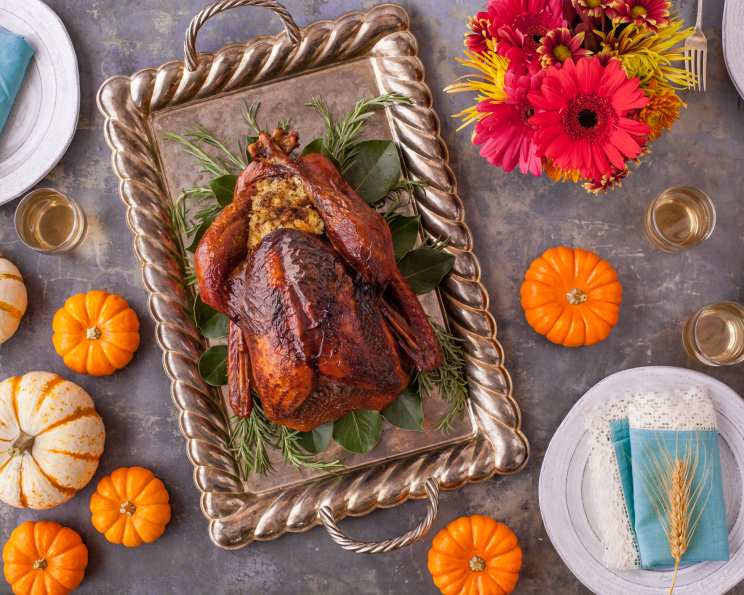
The Effortless Thanksgiving Turkey: A Beginner’s Guide to Roasting Perfection
My grandmother’s Thanksgiving turkey was legendary. Not because it was some avant-garde culinary masterpiece, but because it was always, without fail, perfect. Golden brown skin, unbelievably moist meat, and that intoxicating aroma that filled the entire house. I remember being a wide-eyed kid, mesmerized as she orchestrated the entire production, and the immense pride she took when the carving knife sliced through the bird with ease. I’ve spent years since trying to recapture that magic, and this recipe, honed over countless Thanksgivings, is the closest I’ve come. It’s straightforward, reliable, and designed to take the fear out of roasting your first turkey.
Recipe Overview
- Prep Time: 30 minutes
- Cook Time: 5 hours 30 minutes
- Total Time: 6 hours
- Servings: 10
- Yield: 1 Roast Turkey
- Dietary Type: Gluten-Free, Dairy-Free
Ingredients
- 1 (14 lb) turkey
- 1 teaspoon salt
- 1 teaspoon black pepper
- ½ cup butter or ½ cup margarine
- 2 tablespoons dried rosemary
- 2 tablespoons dried sage
- 2 tablespoons dried thyme
- Onion mushroom dressing (already prepared – see note below)
Ingredient Notes:
- For the dressing, you can use your favorite recipe or a good-quality store-bought version. I personally prefer an onion and mushroom dressing, as its savory notes complement the turkey beautifully.
- If you’re watching your sodium intake, feel free to reduce the amount of salt.
- Feel free to substitute other herbs like marjoram or savory based on your preference.
Equipment Needed
- Roasting pan with rack
- Small bowl
- Paper towels
- Meat thermometer
- Kitchen twine or skewers
Instructions
-
Begin by preheating your oven to 325°F (160°C). Place a rack inside your roasting pan.
-
Important Safety Note: If you’re using a disposable foil roasting pan, ensure it’s seated securely on a solid baking sheet. Foil pans can be flimsy, and you don’t want to risk dropping a hot, heavy turkey.
-
Remove the neck and giblets from the cavity of the turkey. These are often packaged in a small bag inside the turkey. Save them for making gravy if desired.
-
Rinse the turkey thoroughly inside and out under cold running water. Pat it completely dry with paper towels. This is crucial for achieving crispy skin.
-
Sprinkle salt and pepper generously inside the turkey cavity and all over the skin. Don’t be shy! This is your opportunity to season the entire bird.
-
Stuff the turkey with your prepared onion mushroom dressing. Be sure to stuff both the main body cavity and the neck cavity.
-
Important Timing Note: Do not stuff the turkey until just before you’re ready to cook it. Stuffing the bird too far in advance can create a breeding ground for bacteria.
-
Secure the neck flap with a skewer or by stitching it closed with kitchen twine. This helps to keep the stuffing inside and maintain the turkey’s shape.
-
Tie the drumsticks together with kitchen twine. This helps to close the body cavity securely and promotes even cooking.
-
In a small bowl, combine the softened butter or margarine, dried rosemary, dried sage, and dried thyme. Mix thoroughly until well combined.
-
Gently loosen the skin covering the breast, being careful not to tear it. You want to create a pocket between the skin and the breast meat.
-
Spread the herb butter mixture under the skin of the breast, distributing it evenly. Also, spread any remaining mixture over the outside of the skin. This step is essential for flavorful, moist breast meat.
-
Place the turkey on the rack in the roasting pan.
-
Roast the turkey, basting it every 20 minutes or so with the pan juices. Basting helps to keep the turkey moist and promotes even browning.
-
If the turkey begins to brown too quickly, loosely cover it with a piece of aluminum foil. This will prevent the skin from burning.
-
The turkey is cooked when a meat thermometer inserted into the thickest part of the thigh reaches 180°F (82°C). For a 14 lb turkey, this will take approximately 5 ½ hours.
-
Remove the turkey from the roasting pan and let it stand for 25 minutes before carving. This allows the juices to redistribute, resulting in a more tender and flavorful bird.
-
Remove ALL the stuffing from the bird before carving.
-
Carve the turkey and serve.
-
Leftover turkey and stuffing can be frozen, but it’s best to freeze them separately to prevent the stuffing from becoming soggy.
-
Make gravy in the roasting pan while the turkey is resting. A separate gravy recipe will be posted, or you can use your favorite recipe.
Expert Tips & Tricks
- Brining: For an even moister turkey, consider brining it overnight before roasting. There are numerous brine recipes available online.
- Dry Brining: Alternatively, you can dry brine the turkey by rubbing it with salt and spices a day or two before roasting and leaving it uncovered in the refrigerator. This results in crispy skin and flavorful meat.
- Aromatics: Add aromatics such as quartered onions, celery stalks, and carrots to the bottom of the roasting pan to enhance the flavor of the pan juices.
- Resting Time: Do not skip the resting time! It is crucial for a juicy turkey.
- Gravy Fat Separator: Use a gravy fat separator to easily remove excess fat from the pan drippings when making gravy.
- Turkey Size: Cooking times will vary depending on the size of your turkey. Use a meat thermometer to ensure it is cooked to a safe internal temperature.
Serving & Storage Suggestions
Serve your beautifully roasted turkey hot, accompanied by your favorite Thanksgiving or holiday side dishes. Classic pairings include mashed potatoes, gravy, cranberry sauce, stuffing, green bean casserole, and sweet potato casserole.
Store leftover turkey in an airtight container in the refrigerator for up to 3-4 days. Leftover stuffing should also be stored separately in an airtight container in the refrigerator. Cooked turkey should not be left at room temperature for more than 2 hours.
To freeze leftover turkey, wrap it tightly in plastic wrap and then in aluminum foil or place it in a freezer-safe bag. Frozen turkey can be stored for up to 2-3 months. Reheat leftover turkey in the oven or microwave until heated through.
Nutritional Information
| Nutrient | Amount per Serving | % Daily Value |
|---|---|---|
| Calories | 1104.7 kcal | N/A |
| Calories from Fat | 543 g | 49% |
| Total Fat | 60.4 g | 92% |
| Saturated Fat | 20.3 g | 101% |
| Cholesterol | 456.6 mg | 152% |
| Sodium | 727.6 mg | 30% |
| Total Carbohydrate | 1.4 g | 0% |
| Dietary Fiber | 0.8 g | 3% |
| Sugars | 0 g | 0% |
| Protein | 130.1 g | 260% |
Note: Nutritional information is an estimate and may vary based on specific ingredients and preparation methods.
Variations & Substitutions
- Different Herbs: Experiment with different herb combinations, such as Italian seasoning, poultry seasoning, or a blend of your favorite herbs.
- Citrus: Add citrus slices (lemon, orange, or grapefruit) to the cavity of the turkey for a brighter flavor.
- Spicy Turkey: For a spicier turkey, add a pinch of cayenne pepper or a dash of hot sauce to the herb butter mixture.
- Gluten-Free: Ensure the dressing is gluten-free.
- Vegan: This recipe is not easily adapted for a vegan diet.
FAQs (Frequently Asked Questions)
Q: How do I prevent the turkey skin from burning?
A: If the turkey skin starts to brown too quickly, loosely cover it with a piece of aluminum foil. This will protect the skin from excessive heat and prevent it from burning.
Q: Can I stuff the turkey the night before?
A: No, it is not recommended to stuff the turkey the night before. Stuffing the turkey too far in advance can create a breeding ground for bacteria. Stuff the turkey just before you’re ready to cook it.
Q: How do I know when the turkey is done?
A: The turkey is done when a meat thermometer inserted into the thickest part of the thigh reaches 180°F (82°C).
Q: What if I don’t have a roasting rack?
A: If you don’t have a roasting rack, you can create a makeshift rack by placing chopped vegetables (such as onions, carrots, and celery) on the bottom of the roasting pan. This will elevate the turkey and allow for better air circulation.
Q: Can I use a different type of fat instead of butter?
A: Yes, you can use margarine or olive oil instead of butter. However, butter will provide the best flavor.
Final Thoughts
Roasting a turkey can seem daunting, but with this straightforward recipe, you can confidently create a delicious centerpiece for your holiday meal. Don’t be afraid to experiment with different herbs and spices to customize the flavor to your liking. Most importantly, relax, enjoy the process, and savor the delicious results. Share your creations and feedback – I’d love to hear about your turkey triumphs! Why not pair your masterpiece with a crisp Sauvignon Blanc or a rich Pinot Noir? Happy cooking!