
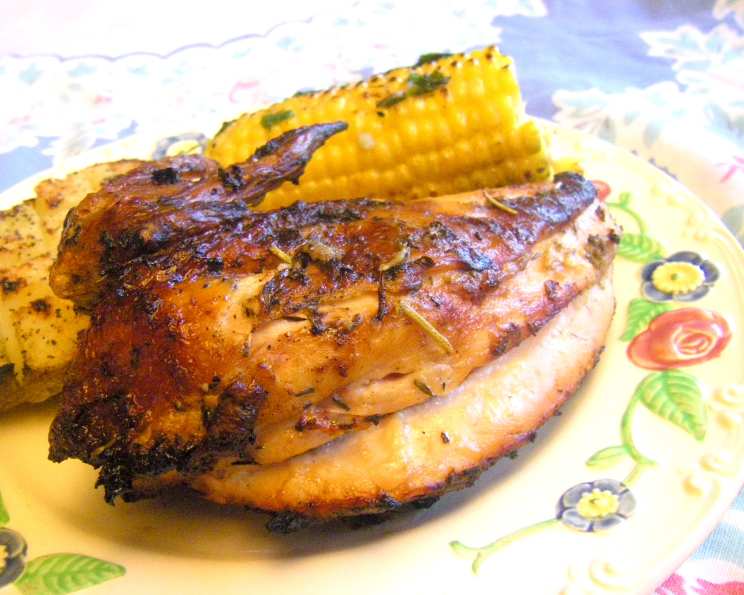
Roasted Halved Chicken With Garlic-Herb Paste
The scent of rosemary roasting in the oven… it instantly transports me back to my grandmother’s kitchen. She always had a chicken roasting on Sundays, and the aroma would fill the entire house, a warm and inviting promise of the delicious meal to come. While her method was a closely guarded secret, this recipe, with its vibrant garlic-herb paste, captures that same comforting essence, bringing back those cherished memories with every bite.
Recipe Overview
- Prep Time: 15 minutes
- Cook Time: 40 minutes
- Total Time: 55 minutes
- Servings: 4
- Dietary Type: Gluten-Free
Ingredients
- 4 teaspoons fresh rosemary leaves, finely chopped
- Fresh lemon zest (from 1 lemon)
- 1 teaspoon lemon juice
- 3 garlic cloves, minced
- 1/4 cup extra virgin olive oil
- 1/2 teaspoon cayenne pepper
- 1-2 tablespoons Dijon mustard
- Kosher salt & freshly ground black pepper
- 1 chicken, 3 to 4 pounds, skin-on, backbone removed and halved
Equipment Needed
- Small bowl
- Large cast iron skillet
- Second cast iron skillet (equal or smaller size) or a regular pan
- Oven
Instructions
-
Preheat the oven to 375 degrees F (190 degrees C).
-
Prepare the Garlic-Herb Paste: In a small bowl, combine the rosemary, lemon zest, lemon juice, garlic, olive oil, cayenne, Dijon mustard, and salt and pepper to taste. Stir well to incorporate all the ingredients into a cohesive paste. Don’t be shy with the seasoning – it’s what brings the chicken to life!
-
Marinate the Chicken: Generously rub the Garlic-Herb Paste all over the chicken halves, ensuring every nook and cranny is coated. For an extra boost of flavor, gently loosen the skin from the breast meat and spread some of the paste underneath. This will help keep the breast moist during roasting. Let the chicken marinate at room temperature for 1 hour. Allowing the chicken to sit at room temperature for a brief period before cooking helps it cook more evenly.
-
Sear the Chicken: Coat a large cast iron skillet lightly with olive oil and heat over medium-high heat. Oil the bottom of a second cast iron skillet, of equal or smaller size. If you don’t have a second cast iron skillet, use a regular oven-safe pan and weigh it down with 2 heavy cans. This is important for even cooking and beautifully crispy skin.
-
Press and Sear: Put the chicken, skin side down, in the first skillet, and top it with the second skillet, oiled-side down on top of the chicken (or the regular pan weighed down with cans). The weight helps to flatten the chicken, ensuring even contact with the pan and promoting crispy skin. Sear the chicken until lightly browned, about 5 minutes. Listen for that sizzle – it’s the sound of flavor developing!
-
Roast: Remove the top skillet (or pan and cans), flip the chicken, and transfer the skillet to the preheated oven. Cook until the chicken is cooked through, about 35 minutes. The internal temperature of the thickest part of the thigh should reach 165 degrees F (74 degrees C). Use a meat thermometer to ensure accuracy.
-
Rest and Serve: Transfer the chicken to a serving platter and let it rest for at least 10 minutes before carving. This allows the juices to redistribute, resulting in a more tender and flavorful bird.
Expert Tips & Tricks
- Dry Brining: For even more flavorful and juicy chicken, try dry brining it overnight. Simply season the chicken generously with salt (about 1 teaspoon per pound) and let it sit uncovered in the refrigerator for 12-24 hours before applying the herb paste.
- Crispy Skin Secret: Pat the chicken skin completely dry with paper towels before applying the herb paste and searing. Moisture is the enemy of crispy skin!
- Pan Sauce Magic: After removing the chicken from the skillet, deglaze the pan with a splash of white wine or chicken broth. Scrape up any browned bits from the bottom of the pan and simmer until slightly reduced. This makes a delicious pan sauce to drizzle over the chicken.
- Herb Variations: Feel free to experiment with different herbs. Thyme, oregano, or sage would all be delicious additions or substitutions for the rosemary.
Serving & Storage Suggestions
Serve the roasted chicken hot, garnished with fresh rosemary sprigs and lemon wedges. It pairs beautifully with roasted vegetables, mashed potatoes, or a simple green salad.
Storage: Leftover chicken can be stored in an airtight container in the refrigerator for up to 3 days. For longer storage, freeze the chicken for up to 2 months.
Reheating: Reheat leftover chicken in a preheated oven at 350 degrees F (175 degrees C) until warmed through, or microwave in short bursts, being careful not to overcook it. You can also shred the chicken and use it in salads, sandwiches, or tacos.
Nutritional Information
| Nutrient | Amount per Serving | % Daily Value |
|---|---|---|
| Calories | 370 kcal | 19% |
| Total Fat | 30g | 46% |
| Saturated Fat | 6g | 30% |
| Cholesterol | 85mg | 28% |
| Sodium | 122mg | 5% |
| Total Carbohydrate | 1g | 0% |
| Dietary Fiber | 0g | 0% |
| Sugars | 0g | 0% |
| Protein | 21g | 42% |
Note: Nutritional information is an estimate and may vary based on specific ingredients and preparation methods.
Variations & Substitutions
- Spicy Kick: Increase the amount of cayenne pepper for a spicier chicken. You could also add a pinch of red pepper flakes to the herb paste.
- Lemon-Herb Marinade: For a more pronounced lemon flavor, marinate the chicken in a mixture of lemon juice, lemon zest, olive oil, garlic, and herbs for several hours or overnight.
- Mediterranean Twist: Add some chopped Kalamata olives and crumbled feta cheese to the herb paste for a Mediterranean-inspired flavor.
- Sheet Pan Dinner: Roast the chicken alongside your favorite vegetables on a sheet pan for an easy one-pan meal.
FAQs (Frequently Asked Questions)
Q: Can I use dried rosemary instead of fresh?
A: While fresh rosemary is preferred for its vibrant flavor, you can substitute dried rosemary. Use about 1 teaspoon of dried rosemary for every 4 teaspoons of fresh rosemary.
Q: How do I know when the chicken is cooked through?
A: The best way to ensure the chicken is cooked through is to use a meat thermometer. Insert the thermometer into the thickest part of the thigh, avoiding the bone. The internal temperature should reach 165 degrees F (74 degrees C).
Q: Can I use chicken breasts instead of a whole chicken?
A: Yes, you can use bone-in, skin-on chicken breasts. Reduce the cooking time accordingly, checking for doneness after about 25 minutes.
Q: What if I don’t have a cast iron skillet?
A: While a cast iron skillet is ideal for searing and even cooking, you can use any oven-safe skillet or roasting pan.
Q: Can I make this recipe ahead of time?
A: You can prepare the herb paste and marinate the chicken ahead of time. Store the marinated chicken in the refrigerator for up to 24 hours before cooking.
Final Thoughts
I truly hope you give this Roasted Halved Chicken with Garlic-Herb Paste a try. It’s a simple yet incredibly flavorful dish that’s perfect for a weeknight dinner or a weekend gathering. Don’t be afraid to experiment with the herbs and spices to create your own unique flavor combination. I encourage you to share your feedback and photos – I’d love to hear about your experience! Serve with a crisp, dry white wine like Sauvignon Blanc to complement the bright, herby flavors of the chicken. Happy cooking!