
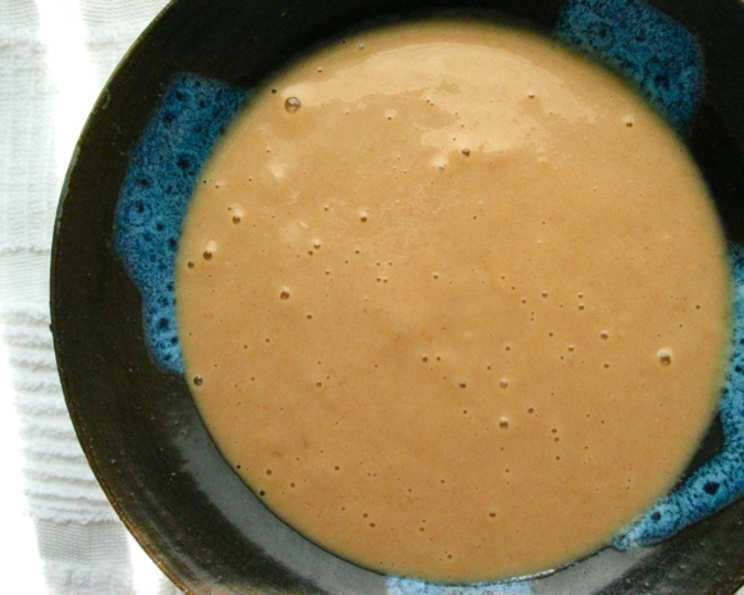
Roasted Shallot Peanut Sauce: A Culinary Revelation
The first time I tasted a peanut sauce that truly sang, it was slathered on crispy spring rolls at a tiny street food stall in Bangkok. The vendor, a woman with a smile as warm as the tropical sun, ladled it generously, and the explosion of sweet, savory, and slightly spicy flavors instantly transported me. It wasn’t just peanut butter; there was a depth, an umami richness, that lingered long after the last bite. I’ve been chasing that flavor memory ever since, and this Roasted Shallot Peanut Sauce comes incredibly close, offering a delightful balance of textures and tastes that elevate any dish it graces.
Recipe Overview
- Prep Time: 10 minutes
- Cook Time: 35 minutes
- Total Time: 45 minutes
- Yields: 2 cups
- Dietary Type: Vegan
Ingredients
- 3 medium shallots, unpeeled
- 1 cup unsweetened coconut milk
- ½ cup smooth peanut butter
- 3 tablespoons raw sugar
- ½ teaspoon cayenne pepper
- 1 tablespoon soy sauce
- 2 tablespoons fresh lime juice
Equipment Needed
- Baking Sheet
- Parchment Paper
- Food Processor or Blender (Mortar and Pestle optional)
Instructions
-
Begin by preheating your oven to 375°F (190°C). This ensures the shallots roast evenly and develop their characteristic sweetness.
-
Line a baking sheet with parchment paper. This will prevent the shallots from sticking and make cleanup a breeze. Place the unpeeled shallots on the prepared baking sheet.
-
Roast the shallots in the preheated oven until they are very tender and the juices have started to ooze out, approximately 30 to 35 minutes. The roasting process intensifies their flavor and mellows their sharpness. The shallots are ready when they yield easily to gentle pressure.
-
Remove the baking sheet from the oven and let the shallots cool slightly. This makes them easier to handle without burning your fingers.
-
Once the shallots are cool enough to handle, gently squeeze the pulp out of the skins. Discard the skins. The roasted pulp is the flavor base of this incredible sauce.
-
In a food processor or blender, combine the squeezed shallot pulp with the remaining ingredients: 1 cup coconut milk, ½ cup smooth peanut butter, 3 tablespoons raw sugar, ½ teaspoon cayenne pepper, 1 tablespoon soy sauce, and 2 tablespoons fresh lime juice.
-
Blend all ingredients until smooth. Taste and adjust seasoning as needed. The sauce should be a harmonious blend of sweet, savory, spicy, and tangy. If you prefer a chunkier sauce, you can pulse the ingredients a few times instead of blending completely smooth.
-
If desired (for a coarser texture), a mortar and pestle can be used to grind the ingredients together.
Expert Tips & Tricks
- Roasting the Shallots: Don’t be tempted to skip the roasting step. It’s crucial for developing the shallots’ sweet, mellow flavor. If you’re short on time, you can sauté them, but the roasted flavor is far superior.
- Spice Level: The ½ teaspoon of cayenne pepper provides a gentle warmth. If you prefer a spicier sauce, add more cayenne or a pinch of red pepper flakes. Alternatively, you can deseed and finely chop a small red chili for a fresh, vibrant heat.
- Sweetness Adjustment: Raw sugar provides a slightly caramel-like sweetness. You can substitute with brown sugar or even maple syrup for a different flavor profile. If you prefer a less sweet sauce, start with 2 tablespoons of sugar and add more to taste.
- Peanut Butter Choice: Smooth peanut butter works best for a creamy sauce. If you only have chunky peanut butter on hand, you can still use it, but the sauce will have a slightly coarser texture.
- Lime Juice Freshness: Freshly squeezed lime juice is essential for the bright, tangy flavor of the sauce. Bottled lime juice often lacks the same vibrant quality.
- Consistency: If the sauce is too thick, add a little more coconut milk until you reach your desired consistency. If it’s too thin, blend in a little more peanut butter.
Serving & Storage Suggestions
This Roasted Shallot Peanut Sauce is incredibly versatile. It’s fantastic as a dipping sauce for spring rolls, egg rolls, or chicken fingers. It can also be used as a flavorful marinade for grilled chicken, tofu, or vegetables. Drizzle it over noodle dishes, salads, or rice bowls for an extra boost of flavor.
Store leftover sauce in an airtight container in the refrigerator for up to one week. The sauce may thicken slightly upon refrigeration. To restore its original consistency, simply warm it gently on the stovetop or in the microwave, stirring occasionally. You can also bring it to room temperature. It’s best served warm or at room temperature to fully appreciate its complex flavors. This sauce also works great on a buffet table!
Nutritional Information
| Nutrient | Amount per Serving | % Daily Value |
|---|---|---|
| Calories | 348 kcal | 17% |
| Total Fat | 27.8g | 43% |
| Saturated Fat | 14.1g | 71% |
| Cholesterol | 0 mg | 0% |
| Sodium | 408 mg | 17% |
| Total Carbohydrate | 19.7 g | 7% |
| Dietary Fiber | 2.1 g | 8% |
| Sugars | 12.7 g | N/A |
| Protein | 9.9 g | 20% |
Note: Nutritional information is an estimate and may vary based on specific ingredients and portion sizes.
Variations & Substitutions
- Spicy Peanut Sauce: Increase the amount of cayenne pepper or add a pinch of red pepper flakes for a spicier kick. A dash of sriracha or chili garlic sauce would also work well.
- Ginger Peanut Sauce: Add a teaspoon of grated fresh ginger to the food processor along with the other ingredients for a warm, aromatic flavor.
- Sesame Peanut Sauce: Incorporate a tablespoon of sesame oil for a nutty, toasted flavor. You can also sprinkle sesame seeds on top as a garnish.
- Gluten-Free Peanut Sauce: Ensure that the soy sauce you are using is gluten-free. Tamari is a good gluten-free alternative.
- Sunflower Seed Butter: If you have a peanut allergy, sunflower seed butter (sunbutter) can be used as a substitute. The flavor will be slightly different, but still delicious.
FAQs (Frequently Asked Questions)
Q: Can I use regular onions instead of shallots?
A: While you can substitute onions, shallots have a milder, sweeter flavor that is preferred in this recipe. If using onions, start with half the amount and taste as you go. Roasting will still help mellow the onion’s pungency.
Q: How long does this sauce last?
A: Stored properly in an airtight container in the refrigerator, this sauce will last for up to one week.
Q: Can I freeze this peanut sauce?
A: Yes, you can freeze this sauce for up to 2 months. Thaw it overnight in the refrigerator before using. The texture may change slightly after freezing, but the flavor will remain delicious.
Q: Is this sauce very spicy?
A: The ½ teaspoon of cayenne pepper adds a mild level of spice. You can adjust the amount to your preference.
Q: Can I make this sauce ahead of time?
A: Absolutely! This sauce can be made a day or two in advance and stored in the refrigerator. The flavors will actually meld together and deepen over time.
Final Thoughts
This Roasted Shallot Peanut Sauce is more than just a condiment; it’s a flavor enhancer, a culinary secret weapon, and a trip down memory lane all rolled into one. I encourage you to try this recipe and experience the magic of roasted shallots combined with the irresistible allure of peanut butter. Don’t be afraid to experiment with different variations and find your perfect flavor combination. And when you do, please share your creations and feedback – I can’t wait to hear about your peanut sauce adventures! Perhaps a sprinkle of toasted sesame seeds or a side of perfectly grilled chicken? The possibilities are endless.