
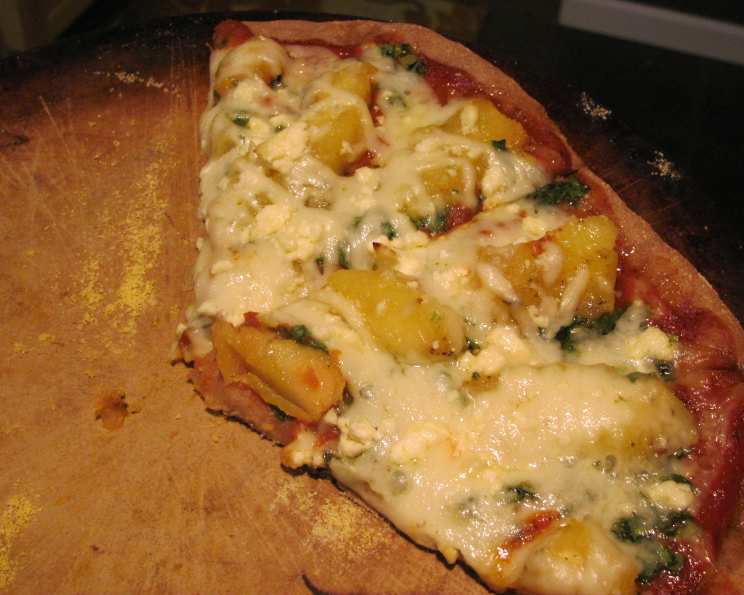
Roasted Squash and Sage Pizza (Or Pita Pizza or Burrito!)
The first time I tasted roasted squash and sage together, it was at a tiny farmer’s market in Tuscany. An elderly woman, Nonna Emilia, was offering samples of her butternut squash ravioli with a sage butter sauce. The earthiness of the squash, mellowed by roasting, and the pungent, slightly peppery sage – it was a revelation! Years later, I wanted to recreate that magic. Pizza seemed like the perfect canvas, offering a familiar comfort with a sophisticated twist.
Recipe Overview
- Prep Time: 25 minutes
- Cook Time: 55 minutes
- Total Time: 1 hour 20 minutes
- Servings: 8
- Yield: 2 large pizzas / 6 pita pizzas / 6-8 burritos
- Dietary Type: Vegetarian (easily veganized)
Ingredients
- 1 (2 1/2 lb) butternut squash, peeled, seeded, and cut into 1-inch chunks
- 16 fresh sage leaves, chopped finely (about 1 tablespoon)
- 4 tablespoons olive oil (divided)
- 1 teaspoon salt (divided)
- 1 teaspoon dried oregano
- 1⁄4 teaspoon crushed red pepper flakes
- 2 garlic cloves, minced
- 1 (28 ounce) can diced tomatoes
- 1 teaspoon balsamic vinegar
- 8 ounces mozzarella cheese (or vegan cheese alternative, such as Daiya or Miyoko’s Kitchen)
- 2 large prepared pizza crusts (or 6 pitas, or burrito-sized tortillas)
Equipment Needed
- Large Bowl
- 9×13 inch Baking Dish
- Small Saucepan
- Cutting Board
- Chef’s Knife
- Pizza Stone (optional, but recommended for crispy crust)
Instructions
- Preheat your oven to 425°F (220°C).
- In a large bowl, combine the butternut squash chunks, half of the chopped fresh sage, 2 tablespoons of olive oil, and 1/2 teaspoon of salt. Toss well to ensure the squash is evenly coated.
- Transfer the squash mixture to a 9×13 inch baking dish and spread in a single layer.
- Roast the squash, uncovered, for 40 minutes, or until it is fork-tender and starting to brown on the tops. Check occasionally and stir halfway through for even cooking. If the squash starts to brown too quickly, you can loosely cover the dish with aluminum foil.
- While the squash is roasting, prepare the tomato sauce. In a small saucepan, combine the remaining 2 tablespoons of olive oil, the remaining 1/2 teaspoon of salt, dried oregano, crushed red pepper flakes, and minced garlic.
- Sauté the mixture over medium-high heat for about 1 minute, stirring frequently. Be careful not to burn the garlic. The goal is to infuse the oil with the flavors of the spices and garlic.
- Stir in the can of diced tomatoes (with their juices). Bring the mixture to a boil for 1 minute.
- Reduce the heat to low and simmer the sauce for 15 minutes, stirring occasionally to prevent sticking. This will allow the flavors to meld together and the sauce to thicken slightly.
- Stir in the balsamic vinegar and simmer for another minute. The balsamic vinegar adds a touch of sweetness and acidity that balances the richness of the squash. Remove the sauce from the heat.
- Once the squash is roasted, and the sauce is ready, it’s time to assemble your pizzas (or pita pizzas or burritos). Preheat your oven to 400°F (200°C). If using a pizza stone, place it in the oven while it preheats.
- Spread the prepared pizza crusts (or pitas or tortillas) evenly with the tomato sauce.
- Distribute the roasted squash evenly over the tomato sauce.
- Sprinkle the remaining chopped fresh sage over the squash.
- Top with the mozzarella cheese (or vegan cheese alternative), distributing it evenly over the pizza.
- Bake the pizzas at 400°F (200°C) until the cheese is melted and bubbly, and the crust is golden brown. This usually takes 10-15 minutes, but keep a close eye on them as oven temperatures can vary. For pita pizzas, baking time may be shorter (around 8-10 minutes). If making burritos, you can either bake them briefly to melt the cheese or simply warm them through in a pan or microwave.
- Remove the pizzas from the oven and let them cool slightly before slicing and serving.
Expert Tips & Tricks
- Roasting the Squash: Don’t overcrowd the baking dish when roasting the squash. Overcrowding will steam the squash instead of roasting it, resulting in a less caramelized flavor. If needed, use two baking dishes.
- Spice Level: Adjust the amount of crushed red pepper flakes to your preference. If you prefer a milder flavor, omit them altogether. For extra heat, add a pinch of cayenne pepper to the tomato sauce.
- Make-Ahead Prep: The roasted squash and tomato sauce can be made ahead of time and stored in the refrigerator for up to 3 days. This makes assembling the pizzas a breeze when you’re ready to bake.
- Crispy Crust: For a crispier pizza crust, pre-bake the crust for a few minutes before adding the toppings.
- Vegan Option: To make this recipe vegan, use a vegan mozzarella alternative (such as Daiya, Miyoko’s Kitchen or Violife) and ensure your pizza crust is vegan-friendly.
Serving & Storage Suggestions
Serve the Roasted Squash and Sage Pizza hot, straight from the oven. A sprinkle of extra fresh sage leaves adds a touch of elegance. It pairs well with a simple green salad or a side of roasted vegetables. For a truly autumnal meal, consider serving it with a glass of crisp apple cider or a light-bodied red wine, like Beaujolais.
Leftovers can be stored in the refrigerator for up to 3 days. Reheat in a preheated oven at 350°F (175°C) until warmed through. You can also reheat individual slices in the microwave, but the crust may become slightly softer. For longer storage, you can freeze leftover pizza slices. Wrap them tightly in plastic wrap and then in foil to prevent freezer burn. Reheat from frozen in a preheated oven.
Nutritional Information
Note: Nutritional information is an estimate and can vary based on specific ingredients and portion sizes.
| Nutrient | Amount per Serving | % Daily Value |
|---|---|---|
| Calories | 310 kcal | 16% |
| Total Fat | 14g | 22% |
| Saturated Fat | 6g | 30% |
| Cholesterol | 30mg | 10% |
| Sodium | 500mg | 21% |
| Total Carbohydrate | 35g | 12% |
| Dietary Fiber | 5g | 20% |
| Sugars | 8g | – |
| Protein | 12g | 24% |
Variations & Substitutions
- Crust: Experiment with different types of pizza crust, such as whole wheat, gluten-free, or even cauliflower crust.
- Cheese: Try using other types of cheese, such as goat cheese, ricotta, or provolone.
- Vegetables: Add other roasted vegetables, such as bell peppers, onions, or zucchini.
- Herbs: Substitute other herbs for sage, such as rosemary or thyme.
- Spicy Kick: Add a pinch of cayenne pepper or a drizzle of hot sauce to the tomato sauce for extra heat.
- Seasonal Adaptation: In the spring, use asparagus instead of squash. In the summer, try using grilled corn and zucchini.
- Pesto Base: Substitute the tomato sauce with a pesto sauce for a different flavor profile.
FAQs (Frequently Asked Questions)
Q: Can I use pre-cut butternut squash to save time?
A: Yes, you can definitely use pre-cut butternut squash. Just make sure the pieces are roughly the same size for even cooking.
Q: What if I don’t have fresh sage?
A: While fresh sage is ideal, you can substitute dried sage. Use about 1 teaspoon of dried sage for every tablespoon of fresh sage.
Q: Can I freeze the assembled pizza before baking?
A: Yes, you can freeze the assembled pizza. Wrap it tightly in plastic wrap and then in foil. Bake from frozen, adding a few extra minutes to the baking time.
Q: Is it necessary to peel the butternut squash?
A: While you can technically eat the skin of butternut squash, it’s usually quite tough. Peeling it makes for a more pleasant texture in the pizza.
Q: Can I use a different type of squash?
A: Absolutely! Acorn squash or kabocha squash would also work well in this recipe. Adjust the roasting time as needed, depending on the type of squash.
Final Thoughts
This Roasted Squash and Sage Pizza is more than just a recipe; it’s an invitation to embrace the flavors of autumn, to experiment with seasonal ingredients, and to create something truly delicious. Whether you’re making it for a cozy weeknight dinner or a special occasion, I hope it brings you as much joy as it has brought me over the years. Don’t be afraid to get creative and put your own spin on it. And most importantly, enjoy the process! I’d love to hear how it turns out for you, so please share your feedback and any variations you try. Consider pairing it with a crisp fall salad and a glass of your favorite seasonal beverage for the perfect autumnal meal.