
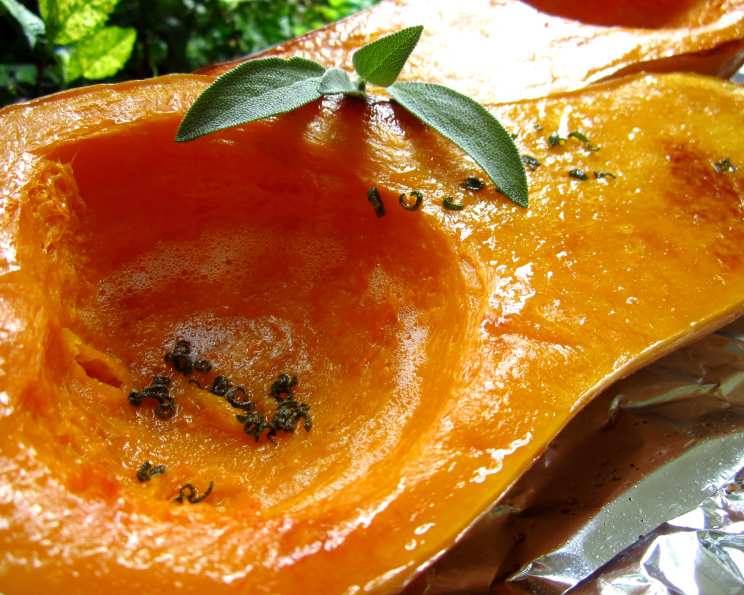
Roasted Winter Squash With Browned Butter and Sage
My first apartment kitchen was barely bigger than a closet, but that didn’t stop me from experimenting. I remember one autumn evening, the air crisp and cool, I decided to roast a butternut squash. The aroma of the roasting squash, mixed with the nutty fragrance of browned butter and the earthy scent of sage, filled the tiny space. It was a simple dish, but the warmth and comfort it brought transformed that small apartment into a haven. To this day, the smell of roasted squash instantly transports me back to those early days of culinary exploration and the joy of creating something delicious from scratch.
Recipe Overview
- Prep Time: 15 minutes
- Cook Time: 45-55 minutes
- Total Time: 60-70 minutes
- Servings: 2
- Yield: 1 squash
- Dietary Type: Vegetarian
Ingredients
- 2 tablespoons extra-virgin olive oil
- 1 medium winter squash, halved lengthwise and seeded (butternut, acorn, etc.)
- 6 tablespoons unsalted butter
- 6 medium fresh sage leaves, sliced thin
- Salt & fresh ground pepper to taste
- Brown sugar for sprinkling
Equipment Needed
- Rimmed baking sheet
- Aluminum foil
- Small skillet
- Knife
- Spoon
Instructions
-
Adjust an oven rack to the lower-middle position and preheat the oven to 400 degrees Fahrenheit (200 degrees Celsius). Proper oven temperature is crucial for even roasting.
-
Line a rimmed baking sheet with aluminum foil. This makes for easy cleanup and prevents the squash from sticking.
-
Brush the olive oil on the foil and the cut sides of the squash. This helps the squash caramelize and prevents it from drying out. Place the squash halves face down on the prepared baking sheet.
-
Roast the squash until a skewer inserted in the squash meets no resistance, about 40-50 minutes. The exact time will depend on the size and type of squash, so check for doneness after 40 minutes. The squash should be easily pierced with a fork or skewer.
-
When the squash is almost done, melt the butter in a small skillet over medium heat. Watch it closely to prevent burning!
-
Add the sliced sage leaves to the melted butter and cook, swirling the pan occasionally, until the butter is golden brown and the sage is crisp, about 4 to 5 minutes. This process, known as browning the butter, develops a rich, nutty flavor that complements the squash beautifully. The sage will become fragrant and slightly crispy. Be careful not to burn the butter; it should be a deep golden brown, not black.
-
Remove the skillet from the heat immediately after browning. The butter will continue to cook even off the heat.
-
Remove the squash from the oven and turn it cut-side up. Season generously with salt and pepper to taste.
-
Drizzle or brush the sage browned butter sauce evenly over the cut sides of the roasted squash.
-
Sprinkle the squash with brown sugar to taste. The amount of brown sugar is up to you; add more or less depending on your preference for sweetness.
-
Serve immediately and enjoy the symphony of flavors and textures!
Expert Tips & Tricks
- For a deeper, more complex flavor, consider adding a pinch of nutmeg or cinnamon to the browned butter sauce.
- If your squash is particularly large, you may need to increase the roasting time. Check for doneness frequently.
- To prevent the butter from burning, use a light-colored skillet so you can easily monitor the color change.
- If you don’t have fresh sage, you can use dried sage, but use it sparingly as it has a more concentrated flavor. Start with about a teaspoon of dried sage and adjust to taste.
- For a richer flavor, use European-style butter with a higher fat content.
- If you want to get ahead, you can roast the squash a day in advance. Store it in the refrigerator and reheat it before topping with the browned butter and sage.
Serving & Storage Suggestions
Serve the roasted winter squash immediately while it’s still warm. It makes an excellent side dish for roasted chicken, pork, or even a vegetarian main course. Garnish with extra fresh sage leaves for an elegant touch.
Leftover roasted squash can be stored in an airtight container in the refrigerator for up to 3 days. To reheat, simply microwave the squash for a few minutes, or bake it in a preheated oven at 350 degrees Fahrenheit (175 degrees Celsius) until warmed through. You may want to add a touch of fresh butter or olive oil when reheating to prevent it from drying out. While freezing is not recommended due to texture changes, it can be done if necessary. Ensure the squash is cooled completely before freezing, and thaw it thoroughly before reheating.
Nutritional Information
| Nutrient | Amount per Serving | % Daily Value* |
|---|---|---|
| Calories | 849.6 kcal | N/A |
| Calories from Fat | N/A | N/A |
| Total Fat | 96.1 g | 147% |
| Saturated Fat | 47.5 g | 237% |
| Cholesterol | 183.2 mg | 61% |
| Sodium | 9.9 mg | 0% |
| Total Carbohydrate | 0.1 g | 0% |
| Dietary Fiber | 0 g | 0% |
| Sugars | 0.1 g | 0% |
| Protein | 0.7 g | 1% |
*Percentage Daily Values are based on a 2,000 calorie diet. Your daily values may be higher or lower depending on your calorie needs. Note that the Nutritional Information may not be completely accurate and is intended as an estimate.
Variations & Substitutions
- Sweet & Spicy: Add a pinch of red pepper flakes to the browned butter for a touch of heat.
- Maple Glazed: Substitute maple syrup for the brown sugar for a naturally sweet alternative.
- Nutty Crunch: Sprinkle toasted pecans or walnuts over the squash for added texture and flavor.
- Herb Garden: Experiment with different herbs in the browned butter. Thyme, rosemary, or even a touch of lemon zest would be delicious.
- Vegan Option: Substitute the butter with a plant-based butter alternative like Miyoko’s Kitchen Cultured Vegan Butter. The flavor will be slightly different, but it will still be delicious.
FAQs (Frequently Asked Questions)
Q: Can I use a different type of winter squash?
A: Absolutely! Butternut, acorn, kabocha, and even delicata squash would all work well in this recipe. Just adjust the roasting time accordingly.
Q: How do I know when the squash is done roasting?
A: The squash is done when a skewer or fork inserted into the flesh meets no resistance. The flesh should be tender and easily pierced.
Q: Can I make this recipe ahead of time?
A: Yes, you can roast the squash a day or two in advance. Store it in the refrigerator and reheat it before adding the browned butter sauce.
Q: What if my butter starts to burn while browning?
A: Remove the skillet from the heat immediately and let it cool slightly. You may be able to salvage it if it’s only slightly burned. Otherwise, it’s best to start with a fresh batch of butter.
Q: Can I add other vegetables to the baking sheet while roasting the squash?
A: Yes, you can add other vegetables such as Brussels sprouts, carrots, or onions to the baking sheet. Just be sure to cut them into similar sizes so they cook evenly.
Final Thoughts
This Roasted Winter Squash with Browned Butter and Sage is more than just a recipe; it’s an experience. The combination of sweet, savory, and nutty flavors is simply irresistible. I encourage you to try this recipe and make it your own. Experiment with different types of squash, herbs, and toppings to create a dish that reflects your personal taste. Share your creations with friends and family, and let the warmth and comfort of this dish fill your home. I’d love to hear about your experience and any variations you try! Happy cooking!