
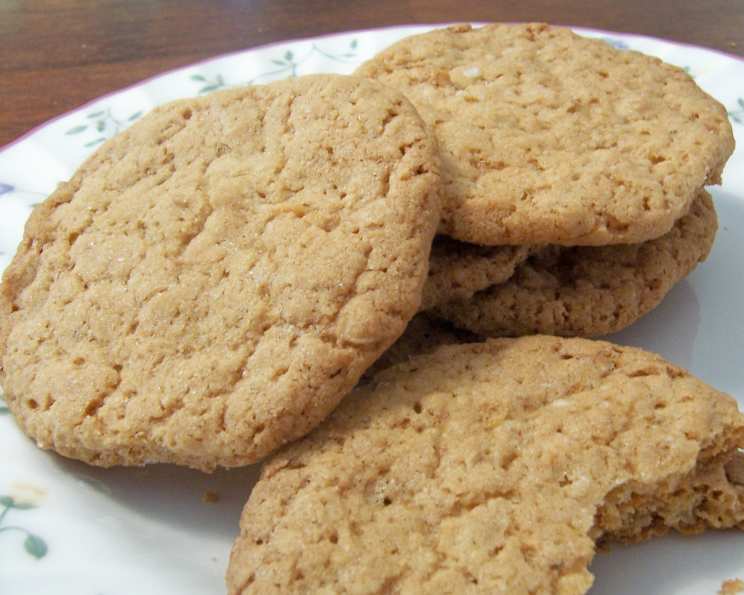
The Comfort of Home: Classic Rolled Oatmeal Cookies
There’s a certain scent that instantly transports me back to my grandmother’s kitchen: warm, buttery, and slightly spiced. It’s the aroma of rolled oatmeal cookies, always cooling on a wire rack, promising a sweet and comforting treat. I can still picture her, flour dusting her apron, carefully shaping each cookie with a well-worn fork. These cookies weren’t just dessert; they were edible hugs, baked with love and shared generously. Every time I bake a batch, I’m not just making cookies; I’m rekindling a cherished memory.
Recipe Overview
- Prep Time: 15 minutes
- Cook Time: 10-12 minutes
- Total Time: Approximately 25-27 minutes
- Yields: 48 cookies
- Dietary Type: Vegetarian
Ingredients
- 1 1⁄2 cups old fashioned oats
- 1 3⁄4 cups all-purpose flour
- 1 teaspoon baking powder
- 1 teaspoon baking soda
- 1 cup butter, softened
- 1 cup granulated sugar
- 1⁄2 cup firmly packed brown sugar
- 1 egg, slightly beaten
- 1 teaspoon vanilla extract
- 1⁄2 cup flaked coconut
Equipment Needed
- Mixing bowls (medium and large)
- Measuring cups and spoons
- Electric mixer (optional, but recommended)
- Baking sheets
- Parchment paper or silicone baking mats (optional, but recommended)
- Fork
- Cooling rack
Instructions
-
Preheat your oven to 375°F (190°C). Ensuring your oven is properly preheated is crucial for even baking.
-
In a medium bowl, combine the rolled oats, all-purpose flour, baking powder, and baking soda. Whisk these dry ingredients together thoroughly to ensure the leavening agents are evenly distributed. This will help the cookies rise properly. Set this mixture aside.
-
In a large bowl, cream together the softened butter and both the granulated sugar and firmly packed brown sugar until the mixture is light and fluffy. Using an electric mixer makes this step easier and faster, but you can also do it by hand with a wooden spoon. The goal is to incorporate air into the butter and sugar, which will result in a tender cookie.
-
Beat in the slightly beaten egg until it is fully blended into the butter and sugar mixture. Make sure the egg is completely incorporated; any streaks of egg can affect the texture of the final cookie.
-
Add the vanilla extract and flaked coconut to the wet ingredients and mix well. The vanilla enhances the overall flavor, while the coconut adds a subtle chewiness and tropical hint.
-
Gradually add the dry ingredients (the oat and flour mixture) to the wet ingredients, mixing until just blended. Be careful not to overmix the dough. Overmixing can develop the gluten in the flour, leading to tough cookies. Mix until the dry ingredients are just incorporated, leaving a few streaks of flour if necessary.
-
Shape the dough into 2-inch balls. A cookie scoop can help ensure uniform size for even baking. Arrange the dough balls on a baking sheet, leaving about 2 inches of space between each cookie. This will allow them to spread without sticking together. You can line the baking sheet with parchment paper or a silicone baking mat to prevent sticking and make cleanup easier.
-
Flatten each cookie slightly with a fork. This helps them bake evenly and creates a classic, appealing look. You can dip the fork in sugar between flattenings to prevent it from sticking to the dough.
-
Bake in the preheated oven for 10 to 12 minutes, or until the edges are golden brown and the centers are set. Keep a close eye on the cookies as they bake; oven temperatures can vary, so they may bake faster or slower depending on your oven.
-
Remove the baking sheet from the oven and let the cookies cool on the baking sheet for a few minutes before transferring them to a wire rack to cool completely. This prevents them from breaking apart while they are still soft.
Expert Tips & Tricks
- Soften the Butter Properly: Make sure your butter is truly softened but not melted. The ideal consistency is when you can easily press your finger into it, leaving an indent. This ensures a light and airy cookie.
- Room Temperature Egg: Using an egg at room temperature helps it emulsify more easily into the batter, creating a smoother dough.
- Don’t Overbake: Oatmeal cookies can become dry if overbaked. Look for golden edges and a slightly set center. They will continue to firm up as they cool.
- Chill the Dough: For a chewier cookie, chill the dough for at least 30 minutes before baking. This allows the flavors to meld and reduces spreading in the oven.
- Add Spices: A pinch of cinnamon, nutmeg, or cloves can add warmth and depth to the flavor profile.
Serving & Storage Suggestions
These rolled oatmeal cookies are delicious served warm with a glass of cold milk or a cup of hot coffee or tea. They also make a delightful addition to a dessert platter or as a sweet treat in a lunchbox.
To store, keep the cookies in an airtight container at room temperature for up to 3 days. For longer storage, you can freeze them for up to 2 months. To freeze, arrange the cooled cookies in a single layer on a baking sheet and freeze until solid. Then, transfer them to a freezer-safe bag or container. Thaw at room temperature before serving.
Nutritional Information
(Estimated values per cookie)
| Nutrient | Amount per Serving | % Daily Value |
|---|---|---|
| Calories | 90.5 kcal | – |
| Calories from Fat | 39 g | 44% |
| Total Fat | 4.4 g | 6% |
| Saturated Fat | 2.7 g | 13% |
| Cholesterol | 14.6 mg | 4% |
| Sodium | 65.5 mg | 2% |
| Total Carbohydrate | 12 g | 3% |
| Dietary Fiber | 0.4 g | 1% |
| Sugars | 6.8 g | 27% |
| Protein | 1.1 g | 2% |
Note: Nutritional information is an estimate and may vary depending on specific ingredients and portion sizes.
Variations & Substitutions
- Gluten-Free: Substitute the all-purpose flour with a gluten-free all-purpose flour blend. Be sure to choose a blend that contains xanthan gum for proper binding.
- Nutty Addition: Add 1/2 cup of chopped nuts, such as walnuts, pecans, or almonds, for added texture and flavor.
- Chocolate Chip Oatmeal Cookies: Incorporate 1/2 cup of chocolate chips (milk, dark, or semi-sweet) for a classic twist.
- Raisin Oatmeal Cookies: Substitute the flaked coconut with 1/2 cup of raisins or dried cranberries for a chewy texture.
- Spiced Oatmeal Cookies: Add 1/2 teaspoon of ground cinnamon, 1/4 teaspoon of ground nutmeg, and a pinch of ground cloves to the dry ingredients for a warm, spiced flavor.
FAQs (Frequently Asked Questions)
Q: Can I use quick oats instead of old fashioned oats?
A: While you can, old fashioned oats are recommended for their texture and chewiness. Quick oats may result in a slightly softer, less textured cookie.
Q: Why are my cookies spreading too much?
A: This could be due to several factors, including using softened butter that’s too warm or not measuring the flour accurately. Try chilling the dough before baking.
Q: Can I make the dough ahead of time?
A: Yes, you can prepare the dough ahead of time and store it in the refrigerator for up to 24 hours. Be sure to wrap it tightly to prevent it from drying out.
Q: What’s the best way to prevent the cookies from sticking to the baking sheet?
A: Line your baking sheet with parchment paper or a silicone baking mat for easy release and cleanup.
Q: How can I tell if the cookies are done?
A: The cookies are done when the edges are golden brown and the centers are set. They will continue to firm up as they cool.
Final Thoughts
These classic rolled oatmeal cookies are more than just a sweet treat; they’re a reminder of simpler times, of warm kitchens and shared moments. They are incredibly easy to bake, and the variations are endless. Don’t hesitate to experiment with different add-ins to create your own signature oatmeal cookie. Gather your ingredients, preheat your oven, and get ready to fill your home with the comforting aroma of freshly baked cookies. I encourage you to share your creations with friends and family and spread the joy of homemade goodness!