
Rømmegrøt: A Taste of Norwegian Comfort
There’s a particular scent that instantly transports me back to my grandmother’s kitchen – a delicate sweetness mingling with the rich tang of dairy, simmering gently on the stove. It’s the aroma of Rømmegrøt, a traditional Norwegian porridge that embodies warmth and comfort. I remember watching her carefully coaxing the flour and butter into a golden roux, the foundation of this creamy masterpiece, a taste of childhood that I am excited to share with you!
Recipe Overview
- Prep Time: 5 minutes
- Cook Time: 20 minutes
- Total Time: 25 minutes
- Servings: 8
- Yield: About 8 cups
- Dietary Type: Not suitable for dairy-free diets
Ingredients
- 1 liter sour cream
- 2 teaspoons salt
- 3 1/2 cups flour
- 1 liter milk
- 250 g (about 1 cup, or 2 sticks) butter
Equipment Needed
- Medium saucepan
- Whisk (preferably a balloon whisk)
- Another pan, such as a small saucepan.
- Serving bowls
Instructions
- Begin by combining the milk and sour cream in a medium saucepan. Heat over medium heat, bringing the mixture to a gentle simmer. Be careful not to let it boil over; keep a close watch.
- While the milk and sour cream are heating, prepare the roux. In a separate, smaller pan, melt the butter over medium-low heat.
- Once the butter is melted, add the flour to the pan. Whisk constantly and vigorously to combine the butter and flour into a smooth roux. Continue to cook the roux for a few minutes, stirring constantly, until it turns a light golden brown color. This step is essential for developing the flavor of the porridge.
- Now, slowly incorporate the roux into the simmering milk and sour cream mixture. Using a balloon whisk is ideal here, as it helps to prevent lumps from forming. Gradually add the roux, whisking continuously and thoroughly after each addition. Ensure that each addition of roux is fully incorporated before adding more. The mixture will thicken as you whisk.
- Once all the roux has been added and the porridge is smooth and lump-free, reduce the heat to low. Add the salt.
- Continue to cook the porridge over low heat for approximately 10 minutes, stirring occasionally to prevent it from sticking to the bottom of the pan. The porridge will continue to thicken as it simmers.
- After 10 minutes, the Rømmegrøt is ready to serve.
Expert Tips & Tricks
- The Roux is Key: Don’t rush the roux! Cooking it to a light golden brown color is essential for developing the nutty, comforting flavor that is characteristic of Rømmegrøt. If the roux is undercooked, the porridge may taste floury.
- Whisking is Crucial: Constant whisking while adding the roux is necessary to prevent lumps. A balloon whisk is your best friend here, but any whisk will do as long as you put in the elbow grease.
- Low and Slow: Cooking the porridge over low heat after adding the roux allows the flavors to meld together and the porridge to thicken properly without scorching.
- Sour Cream Quality: The quality of the sour cream will directly impact the flavor of your Rømmegrøt. Opt for a full-fat, high-quality sour cream for the best results.
- Lump Prevention: If lumps do form, don’t panic! You can try whisking vigorously to break them up. If that doesn’t work, you can use an immersion blender to smooth out the porridge.
- Adjusting Thickness: If the porridge is too thick, add a little more milk to thin it out. If it is too thin, continue to simmer it over low heat until it reaches the desired consistency.
Serving & Storage Suggestions
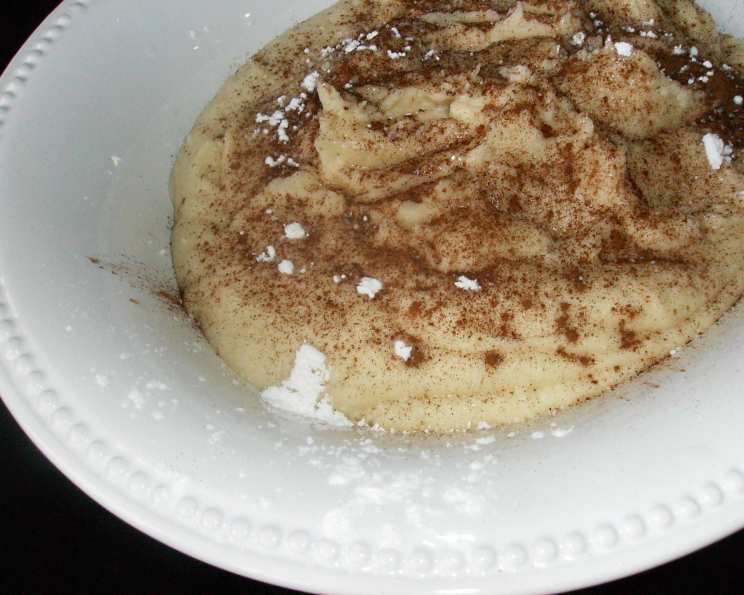
Rømmegrøt is traditionally served warm. In Norway, it’s often enjoyed with a sprinkle of cinnamon and sugar on top. Other popular toppings include dried fruits, chopped nuts, fresh berries (especially strawberries), or a dollop of butter.
Leftover Rømmegrøt can be stored in an airtight container in the refrigerator for up to 3 days. To reheat, gently warm it in a saucepan over low heat, stirring frequently. You may need to add a splash of milk to loosen it up, as it will thicken upon refrigeration. Freezing is not recommended as it can alter the texture of the porridge.
Nutritional Information
Note: Nutritional information is an estimate and may vary based on specific ingredients used.
| Nutrient | Amount per Serving | % Daily Value |
|---|---|---|
| Calories | 650 kcal | 33% |
| Total Fat | 50g | 77% |
| Saturated Fat | 30g | 150% |
| Cholesterol | 125mg | 42% |
| Sodium | 800mg | 33% |
| Total Carbohydrate | 50g | 17% |
| Dietary Fiber | 1g | 4% |
| Sugars | 1g | 2% |
| Protein | 13g | 26% |
Variations & Substitutions
- Lactose-Free Option: While traditional Rømmegrøt relies heavily on dairy, those with lactose intolerance can experiment with lactose-free sour cream and milk alternatives. The texture and flavor will be slightly different, but it’s a viable option.
- Brown Butter Rømmegrøt: For a richer, nuttier flavor, brown the butter before adding the flour to make the roux. Be careful not to burn the butter.
- Spiced Rømmegrøt: Add a pinch of ground cardamom or nutmeg to the porridge while it’s simmering for a warm, aromatic twist.
- Berry Swirl: Swirl in a spoonful of your favorite berry jam or compote just before serving for a burst of fruity flavor.
- Savory Rømmegrøt: While typically enjoyed as a sweet dish, Rømmegrøt can also be adapted into a savory dish by omitting the cinnamon and sugar and adding herbs like dill or chives. It can be served as a side dish with roasted meats or vegetables.
FAQs (Frequently Asked Questions)
Q: What is Rømmegrøt?
A: Rømmegrøt is a traditional Norwegian porridge made primarily from sour cream, milk, flour, and butter. It is known for its rich, creamy texture and slightly tangy flavor.
Q: Can I make Rømmegrøt ahead of time?
A: Yes, you can make Rømmegrøt ahead of time, but the texture may change slightly upon refrigeration. Reheat gently with a little milk to restore its creamy consistency.
Q: What is a roux, and why is it important?
A: A roux is a cooked mixture of butter and flour that is used to thicken sauces and soups. In Rømmegrøt, the roux provides the porridge with its characteristic thickness and a nutty, comforting flavor.
Q: What toppings are traditionally served with Rømmegrøt?
A: Rømmegrøt is typically served with a sprinkle of cinnamon and sugar, but other popular toppings include dried fruits, chopped nuts, fresh berries, and a dollop of butter.
Q: Is Rømmegrøt difficult to make?
A: Rømmegrøt is relatively simple to make, but it requires patience and attention to detail. The key is to whisk constantly while adding the roux to prevent lumps and to cook the porridge over low heat to allow the flavors to meld together properly.
Final Thoughts
Rømmegrøt is more than just a porridge; it’s a taste of Norwegian heritage, a bowlful of comfort, and a reminder of simpler times. I encourage you to try this recipe and experience the warmth and richness of this classic dish for yourself. Whether you serve it with traditional toppings or add your own creative twist, I hope this Rømmegrøt brings a touch of Norwegian hygge to your table. Don’t hesitate to share your feedback and any variations you try – I’d love to hear about your culinary adventures! And if you’re looking for the perfect accompaniment, consider pairing it with a cup of strong Norwegian coffee or a glass of chilled aquavit.