
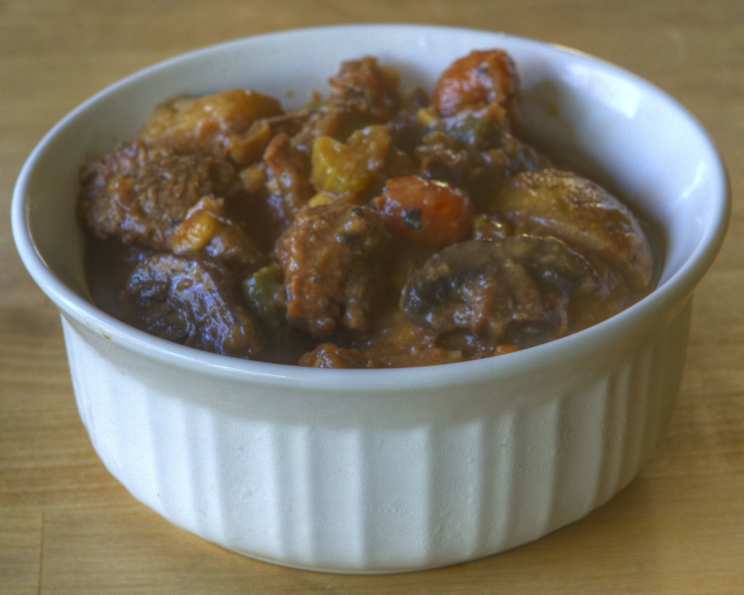
Rosemary Beef Stew: A Taste of Home
The aroma still takes me back. As a child, nothing signaled comfort quite like the fragrant steam rising from a pot of beef stew, especially on a blustery autumn evening. My grandmother, Nana Rose, would always add a generous handful of fresh rosemary from her garden, its piney scent weaving its way through the entire house, promising warmth and a delicious, hearty meal. This recipe is my humble attempt to recreate that comforting memory, a tribute to Nana Rose’s enduring love and her knack for turning simple ingredients into something truly special.
Recipe Overview
- Prep Time: 30 minutes
- Cook Time: 6 hours 15 minutes
- Total Time: 6 hours 45 minutes
- Servings: 6
- Yields: 6 bowls
- Dietary Type: Varies (can be made gluten-free)
Ingredients
- 1 (32 ounce) can beef broth
- ½ cup flour
- Salt, to taste
- Fresh ground pepper, to taste
- 4 tablespoons olive oil, divided
- 3 tablespoons butter, divided
- 1 ½ lbs stew meat
- 1 red onion
- ½ lb baby portabella mushrooms
- ½ lb roma tomatoes
- 1 lb yukon gold potatoes
- 3 stalks celery
- ½ lb green beans
- ½ lb baby carrots
- ½ lb corn (fresh or frozen)
- 1 cup red wine, divided (such as Cabernet Sauvignon or Merlot)
- 3 sprigs fresh rosemary
Equipment Needed
- Large, heavy-bottomed pot or Dutch oven
- Large pan or skillet
- Cutting board
- Sharp knife
- Measuring cups and spoons
Instructions
-
Begin by prepping your vegetables. Chop the potatoes, celery, green beans, and carrots into bite-sized pieces. Place them in the heavy-bottomed pot or Dutch oven.
-
In a separate saucepan, boil the beef broth to reduce it by half. This intensifies the beef flavor and will add richness to the stew. This process can take about 30-45 minutes. Keep a close eye on it to prevent scorching.
-
While the broth is boiling, prepare the tomatoes. Blanch the tomatoes briefly in the boiling broth (about 30 seconds) to loosen the skins. Remove them with a slotted spoon, allow them to cool slightly, then peel and chop them. Add the chopped tomatoes to the pot with the other vegetables.
-
Coarsely chop the red onion. Heat 1 tablespoon of olive oil and 1 tablespoon of butter in the large pan or skillet over medium heat. Sauté the onions until they are caramelized and softened, about 8-10 minutes. Transfer the caramelized onions to the pot with the vegetables. Deglaze the pan with a splash of red wine, scraping up any browned bits from the bottom. Add the deglazed wine to the pot.
-
In the same pan, heat another 1 tablespoon of butter and 1 tablespoon of olive oil. Add the corn (if using frozen, no need to thaw). Sauté the corn until it starts to get some color, about 5-7 minutes. Transfer the sautéed corn to the pot. Deglaze the pan again with a splash of red wine and add it to the pot.
-
Add another 1 tablespoon of butter and 1 tablespoon of olive oil to the pan. Sauté the mushrooms until they are browned and have released their moisture, about 8-10 minutes. Transfer the sautéed mushrooms to the pot. Deglaze the pan with another splash of red wine and add it to the pot.
-
In a bowl, mix the flour with salt and pepper to taste. This seasoned flour will help to thicken the stew.
-
Dredge the stew meat in the flour mixture, ensuring it’s well-coated on all sides. Shake off any excess flour.
-
Heat the remaining 1 tablespoon of olive oil in the heavy pan. In small batches, sear the stew meat on all sides until nicely browned. This step is crucial for developing deep flavor in the stew. Do not overcrowd the pan, or the meat will steam instead of sear. Transfer the seared stew meat to the pot. Deglaze the pan with the remaining red wine, scraping up any browned bits, and add it to the pot.
-
Pour the reduced beef broth and any remaining red wine into the pot, ensuring all the ingredients are submerged.
-
Place the fresh rosemary sprigs on top of the stew.
-
Cover the pot tightly with a lid.
-
You have two options for cooking:
- Low Heat on Stovetop: Bring the stew to a gentle simmer over medium heat, then reduce the heat to low and cook for at least 4-5 hours, or until the beef is very tender. Stir occasionally to prevent sticking.
- Crock-Pot: Transfer the stew to a slow cooker (crock-pot). Cook on low for 6-8 hours, or on high for 3-4 hours, or until the beef is very tender.
Expert Tips & Tricks
- Don’t skip the searing: Searing the beef creates a Maillard reaction, developing a deep, rich flavor that can’t be achieved by simply simmering the meat.
- Use quality ingredients: The better the quality of your beef, wine, and broth, the better the final flavor of the stew will be.
- For a thicker stew: If you prefer a thicker consistency, mix 1 tablespoon of cornstarch with 2 tablespoons of cold water to create a slurry. Stir the slurry into the stew during the last 30 minutes of cooking.
- Adjust the seasoning: Taste the stew throughout the cooking process and adjust the salt, pepper, and herbs as needed.
- Add a bay leaf: For extra depth of flavor, add a bay leaf along with the rosemary sprigs. Remember to remove it before serving.
- Make ahead: This stew tastes even better the next day, as the flavors have time to meld. Prepare it a day in advance and store it in the refrigerator.
- Gluten-free option: Use a gluten-free flour blend to dredge the beef and ensure the beef broth is gluten-free.
Serving & Storage Suggestions
Ladle the rosemary beef stew into bowls and serve hot. Garnish with a fresh sprig of rosemary for a beautiful presentation. It’s wonderful served with crusty bread for dipping into the flavorful broth.
Storage: Leftover stew can be stored in an airtight container in the refrigerator for up to 3-4 days. For longer storage, freeze the stew in individual portions for up to 2-3 months.
Reheating: Reheat the stew gently in a saucepan over low heat or in the microwave. If frozen, thaw the stew in the refrigerator overnight before reheating.
Nutritional Information
Note: Nutritional information is an estimate and may vary based on specific ingredients and portion sizes.
| Nutrient | Amount per Serving | % Daily Value |
|---|---|---|
| Calories | 550 kcal | 28% |
| Total Fat | 25g | 38% |
| Saturated Fat | 10g | 50% |
| Cholesterol | 80mg | 27% |
| Sodium | 1200mg | 50% |
| Total Carbohydrate | 40g | 13% |
| Dietary Fiber | 8g | 32% |
| Sugars | 6g | – |
| Protein | 40g | 80% |
Variations & Substitutions
- Vegetarian Option: Substitute the beef with hearty mushrooms like cremini or shiitake, and use vegetable broth instead of beef broth. Consider adding lentils or beans for extra protein.
- Spicy Kick: Add a pinch of red pepper flakes or a diced jalapeño to the stew for a touch of heat.
- Root Vegetable Medley: Experiment with different root vegetables like parsnips, turnips, or sweet potatoes.
- Beer instead of Wine: Substitute the red wine with a dark beer like stout or porter for a different flavor profile.
- Herb Variations: While rosemary is the star, you can also add thyme, oregano, or bay leaf for a more complex herbal flavor.
FAQs (Frequently Asked Questions)
Q: Can I use frozen vegetables in this recipe?
A: Yes, you can use frozen vegetables like corn, green beans, or carrots. Add them towards the end of the cooking time, as they don’t need as long to cook as fresh vegetables.
Q: Can I make this stew in an Instant Pot?
A: Yes, you can adapt this recipe for the Instant Pot. Sear the beef and sauté the vegetables using the “Sauté” function, then add the remaining ingredients and cook on “Manual” high pressure for 30-40 minutes, followed by a natural pressure release.
Q: How can I prevent the beef from becoming tough?
A: Searing the beef before simmering helps to seal in the juices and prevent it from drying out. Also, ensure the stew simmers gently and doesn’t boil vigorously. Low and slow cooking is key to tender beef.
Q: Can I freeze this stew?
A: Yes, this stew freezes well. Allow it to cool completely before transferring it to freezer-safe containers or bags. Thaw it in the refrigerator overnight before reheating.
Q: What kind of red wine should I use?
A: A dry red wine like Cabernet Sauvignon, Merlot, or Chianti works well in this stew. Choose a wine that you would enjoy drinking, as it will impart its flavor to the dish.
Final Thoughts
I hope you enjoy recreating this Rosemary Beef Stew as much as I do. It’s a labor of love, but the comforting aroma and rich, satisfying flavor are well worth the effort. Feel free to experiment with different vegetables and herbs to make it your own. And if you have any special family traditions or tips for making the perfect beef stew, I’d love to hear about them. Share your feedback and tag me in your photos – happy cooking!