
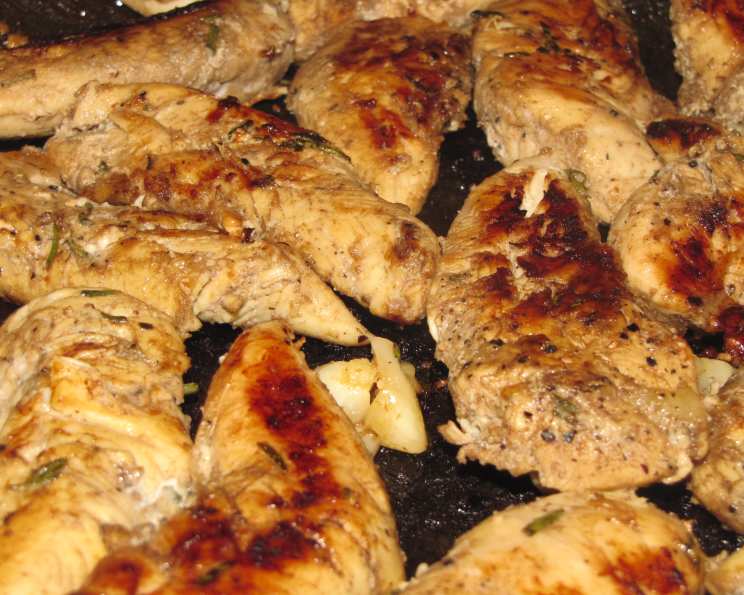
Rosemary Chicken Breasts: A Taste of Tuscan Sunshine
My grandmother, Nonna Emilia, had a small herb garden just outside her kitchen door in Tuscany. The air was always filled with the fragrant scent of rosemary, especially on sunny afternoons when she’d be clipping sprigs for her cooking. I remember her simple, yet incredibly flavorful, chicken dishes infused with rosemary – a taste that instantly transports me back to her warm, inviting kitchen and the joy of family meals. This recipe reminds me of her simple yet powerful approach to cooking: fresh ingredients, bold flavors, and a whole lot of love.
Recipe Overview
- Prep Time: 10-15 minutes
- Cook Time: 12 minutes
- Total Time: 22-27 minutes
- Servings: 4
- Dietary Type: Gluten-Free, Dairy-Free
Ingredients
- 4 (6-8 ounce) boneless, skinless chicken breasts (6 to 8 oz. each)
- 3 tablespoons balsamic vinegar (or eyeball it, just enough to coat chicken lightly)
- 3 tablespoons extra virgin olive oil
- 2 stalks rosemary, leaves stripped and chopped (about 2 Tablespoons)
- Salt
- Coarse black pepper
- 4-5 garlic cloves, cracked away from the skin with a whack against the flat of your knife
Equipment Needed
- 2 pie plates or shallow dishes
- Medium nonstick skillet
- Knife
- Cutting board
- Meat thermometer (optional, but recommended)
Instructions
- Begin by preparing your marinade stations. Place the balsamic vinegar in one pie plate (or a similar shallow container that will allow you to coat the chicken easily).
- Pour the extra virgin olive oil into another pie plate (or similar container).
- Dip each chicken breast into the balsamic vinegar, ensuring it’s lightly coated on all sides.
- Next, transfer the chicken breast to the pie plate filled with olive oil, coating it thoroughly.
- In a small bowl, combine the chopped rosemary, salt, and coarse black pepper. Season each chicken breast generously with this mixture, pressing it gently into the surface of the chicken.
- Allow the chicken to stand and marinate for 10 to 15 minutes at room temperature. This allows the flavors to penetrate and tenderize the chicken.
- While the chicken marinates, heat a medium nonstick skillet over medium heat. Ensure the pan is heated through before adding the chicken.
- Carefully place the chicken breasts in the hot skillet, along with the cracked garlic cloves.
- Cook the chicken for approximately 12 minutes, or until the juices run clear when pierced with a fork or until a meat thermometer inserted into the thickest part of the chicken registers 165°F (74°C). Turn the chicken breasts occasionally during cooking to ensure even browning.
- As the chicken cooks, the balsamic vinegar will reduce and caramelize, creating a deep brown, sweet glaze on the surface. Be careful not to burn the garlic; if it starts to brown too quickly, remove it from the pan.
- Once the chicken is cooked through, remove it from the skillet and let it rest for a few minutes before slicing. This allows the juices to redistribute, resulting in a more tender and flavorful chicken breast.
- Slice each chicken breast thinly and arrange the slices artfully on a serving plate.
- Garnish with fresh rosemary sprigs, if desired, and serve immediately.
Expert Tips & Tricks
- Don’t overcrowd the pan: Cook the chicken breasts in batches if necessary to avoid overcrowding the pan, which can lower the temperature and prevent proper browning.
- Pound the chicken: For more even cooking, you can pound the chicken breasts to an even thickness before marinating. Place the chicken breast between two sheets of plastic wrap and gently pound with a meat mallet or rolling pin.
- Adjust the seasoning: Taste the balsamic vinegar and olive oil mixture before adding the chicken. If you prefer a sweeter glaze, add a touch of honey or maple syrup. For a more savory flavor, add a pinch of red pepper flakes.
- Don’t overcook: Overcooked chicken is dry and tough. Use a meat thermometer to ensure the chicken is cooked to the correct internal temperature.
- Garlic variation: Instead of cracking the garlic cloves, try mincing them finely and adding them to the balsamic vinegar marinade for a more intense garlic flavor. However, minced garlic burns easier, so pay close attention.
- If the balsamic reduction is browning too quickly, lower the heat slightly and add a tablespoon of water to the pan.
- For a smokier flavor, finish the chicken under the broiler for a minute or two after pan-frying. Watch it carefully to prevent burning.
Serving & Storage Suggestions
Rosemary Chicken Breasts are incredibly versatile and can be served in countless ways. Serve it sliced atop a fresh garden salad with a light vinaigrette, alongside roasted vegetables like asparagus and bell peppers, or with a creamy polenta. The balsamic glaze also pairs well with risotto. For a heartier meal, serve the chicken with roasted potatoes and a side of steamed green beans.
Leftover Rosemary Chicken Breasts can be stored in an airtight container in the refrigerator for up to 3-4 days. For longer storage, freeze the cooked chicken for up to 2 months. Thaw it in the refrigerator overnight before reheating.
To reheat, you can gently warm the chicken in a skillet over low heat, adding a splash of chicken broth or water to prevent it from drying out. Alternatively, you can reheat it in the microwave, but be careful not to overcook it. Slicing the chicken before reheating ensures it heats evenly.
Nutritional Information
| Nutrient | Amount per Serving | % Daily Value |
|---|---|---|
| Calories | 281.1 kcal | N/A |
| Calories from Fat | N/A | 39% |
| Total Fat | 12.2 g | 18% |
| Saturated Fat | 2 g | 9% |
| Cholesterol | 98.7 mg | 32% |
| Sodium | 111.3 mg | 4% |
| Total Carbohydrate | 1 g | 0% |
| Dietary Fiber | 0.1 g | 0% |
| Sugars | 0 g | 0% |
| Protein | 39.5 g | 78% |
Variations & Substitutions
- Lemon Rosemary Chicken: Substitute half of the balsamic vinegar with lemon juice for a brighter, more citrusy flavor. Add lemon zest along with the rosemary.
- Honey Garlic Rosemary Chicken: Add 1-2 tablespoons of honey to the balsamic vinegar and olive oil mixture for a sweeter, stickier glaze. Increase the garlic to 6-8 cloves.
- Herb Blend: Experiment with other herbs like thyme, oregano, or sage, either alone or in combination with rosemary.
- Chicken Thighs: Substitute boneless, skinless chicken thighs for a richer, more flavorful dish. Chicken thighs may require slightly longer cooking time.
- White Wine Variation: Substitute a tablespoon of the balsamic vinegar with dry white wine for a lighter, less intense flavor.
- Balsamic Glaze: If you want a thicker, more intense balsamic flavor, use a pre-made balsamic glaze in addition to or instead of balsamic vinegar.
FAQs (Frequently Asked Questions)
Q: Can I use dried rosemary instead of fresh?
A: Yes, you can substitute dried rosemary. Use about 1 teaspoon of dried rosemary for every tablespoon of fresh rosemary. Keep in mind that dried herbs have a more concentrated flavor, so adjust accordingly.
Q: How do I know when the chicken is cooked through?
A: The best way to ensure the chicken is cooked through is to use a meat thermometer. Insert it into the thickest part of the chicken breast; it should register 165°F (74°C). Alternatively, you can pierce the chicken with a fork; the juices should run clear.
Q: Can I marinate the chicken for longer than 15 minutes?
A: Yes, you can marinate the chicken for longer, even overnight in the refrigerator. However, be mindful of the balsamic vinegar, as too much marinating time can make the chicken slightly acidic and mushy.
Q: What if I don’t have balsamic vinegar?
A: If you don’t have balsamic vinegar, you can substitute it with red wine vinegar or apple cider vinegar. The flavor will be slightly different, but still delicious.
Q: Can I cook this chicken on the grill?
A: Absolutely! This recipe works wonderfully on the grill. Preheat your grill to medium heat and cook the chicken for approximately 5-7 minutes per side, or until it’s cooked through. Grilling will impart a smoky flavor that complements the rosemary and balsamic beautifully.
Final Thoughts
This Rosemary Chicken Breasts recipe is a testament to the power of simple ingredients and techniques to create a truly memorable meal. It’s a dish that’s both elegant enough for a special occasion and easy enough for a weeknight dinner. I encourage you to try this recipe and experience the delightful combination of flavors for yourself. Feel free to experiment with the variations and substitutions to create your own unique twist. And most importantly, share your creations with family and friends and spread the joy of good food! Serve it with a crisp Italian white wine like Pinot Grigio for a complete Tuscan-inspired experience. Buon appetito!