
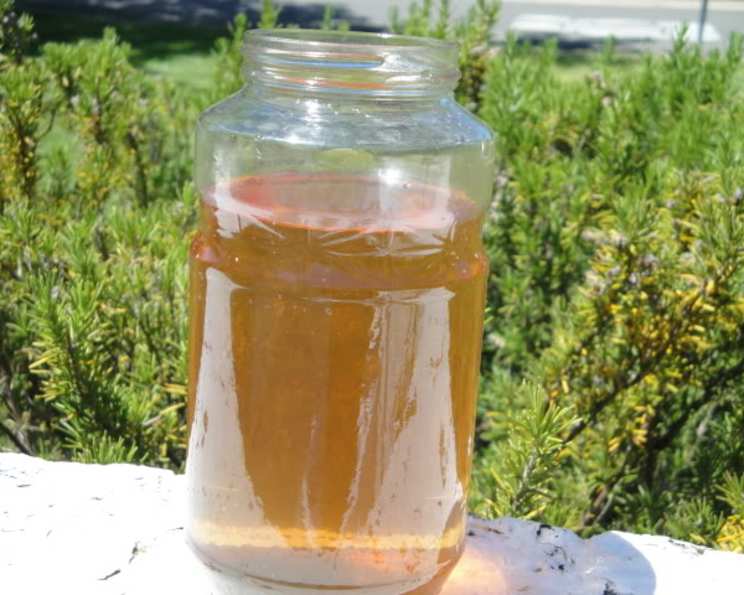
Revitalize Your Locks: A Homemade Rosemary Hair Tonic
The scent of rosemary always transports me back to my grandmother’s sun-drenched garden in Tuscany. She swore by the herb’s potent properties, not just for flavoring her robust stews, but also for its ability to keep her hair thick and lustrous well into her golden years. I remember watching her carefully steep rosemary sprigs in a pot, the air filled with that unmistakable earthy aroma, a beauty ritual passed down through generations. Now, I’m sharing this simple yet powerful recipe with you.
Recipe Overview
- Prep Time: 5 minutes
- Cook Time: 10 minutes
- Total Time: 15 minutes
- Servings: Varies depending on application
- Yield: About 3 pints of tonic
- Dietary Type: Vegan, Gluten-Free, Dairy-Free
Ingredients
- 1 1⁄2 pints water
- 15-20 g dried rosemary (or double the amount if using fresh)
Equipment Needed
- Saucepan
- Measuring jug
- Strainer or fine-mesh sieve
- Storage container (glass jar or spray bottle)
Instructions
- Begin by bringing the water to a boil in a saucepan over medium-high heat.
- Once the water is boiling, add the dried rosemary. If using fresh rosemary, gently bruise the leaves to release their oils before adding them to the water.
- Reduce the heat to low, allowing the mixture to gently simmer for approximately 10 minutes. This slow simmering process allows the rosemary’s beneficial compounds to infuse into the water. Keep the heat on low, to avoid the water evaporating too quickly.
- After 10 minutes, turn off the heat and cover the saucepan with a lid. Let the mixture cool completely with the lid on. This steeping period further enhances the extraction of the rosemary’s properties. Cooling the liquid with the lid on is important, as it allows the steam (and any beneficial components contained within) to condense back into the mixture rather than escaping.
- Once the mixture has cooled thoroughly, strain it through a strainer or fine-mesh sieve into a clean measuring jug. This will remove the rosemary leaves, leaving you with a clear rosemary-infused tonic. Ensure no small particles remain.
- After washing your hair with your regular shampoo and conditioner, slowly pour the rosemary tonic over your head, ensuring it reaches all points of your scalp. Gently massage the tonic into your scalp for a few minutes to stimulate blood circulation. Be meticulous and ensure it reaches every part of the scalp.
- Do not rinse off the rosemary tonic. Allow it to dry naturally on your hair. The rosemary’s compounds will continue to work on your scalp as it dries.
Expert Tips & Tricks
- Fresh vs. Dried Rosemary: While dried rosemary works perfectly well, using fresh rosemary will result in a more potent tonic. If using fresh, double the quantity to about 30-40g.
- Concentration: For a stronger tonic, use a higher ratio of rosemary to water. However, start with the recommended amount and adjust to your preference.
- Essential Oils: For an extra boost, add a few drops of rosemary essential oil to the cooled tonic. Be cautious when using essential oils and ensure they are properly diluted. Patch test the tonic on a small area of skin before applying it to your entire scalp.
- Apple Cider Vinegar: Adding a tablespoon of apple cider vinegar to the tonic can help balance the pH of your scalp and add shine to your hair.
- Scalp Massage: Massaging your scalp while applying the tonic is crucial for stimulating blood flow and promoting hair growth. Use your fingertips to gently massage in circular motions for 5-10 minutes.
- Tonic Temperature: The tonic can be applied at room temperature or slightly warmed. Warming it slightly can enhance its absorption.
- Sun Sensitivity: Rosemary can increase sun sensitivity. Avoid prolonged sun exposure immediately after using the tonic. If you will be in the sun, wear a hat.
Serving & Storage Suggestions
The rosemary hair tonic is best used after washing your hair. It can be applied directly from the measuring jug, or for easier application, transfer it to a spray bottle. This allows for a more even distribution across the scalp.
Store the rosemary hair tonic in a clean, airtight container in the refrigerator. It will last for up to a week. If you notice any changes in color, smell, or consistency, discard it. Storing it in the fridge will keep it fresh and extend its shelf life. Since there are no preservatives, it is best to make smaller batches more frequently.
Nutritional Information
Please note that since this is a hair tonic and not ingested, the nutritional information is minimal. However, here’s an estimated breakdown per serving (assuming minimal absorption through the skin):
| Nutrient | Amount per Serving | % Daily Value |
|---|---|---|
| Calories | < 1 kcal | < 1% |
| Total Fat | 0g | 0% |
| Saturated Fat | 0g | 0% |
| Cholesterol | 0mg | 0% |
| Sodium | < 1mg | < 1% |
| Carbohydrates | < 1g | < 1% |
| Fiber | 0g | 0% |
| Sugar | 0g | 0% |
| Protein | 0g | 0% |
Variations & Substitutions
- Other Herbs: Experiment with adding other beneficial herbs to the tonic, such as lavender, nettle, or peppermint. Each herb offers unique properties that can enhance hair health.
- Green Tea: Substitute half of the water with green tea for added antioxidant benefits.
- Essential Oil Blends: Create custom essential oil blends to address specific hair concerns. For example, cedarwood and lavender can help with hair loss, while tea tree oil can combat dandruff.
- Vinegar Rinse: If you prefer a stronger clarifying rinse, use diluted apple cider vinegar (1 part vinegar to 3 parts water) instead of the rosemary tonic. However, be mindful of the strong scent of the vinegar.
FAQs (Frequently Asked Questions)
Q: How often should I use the rosemary hair tonic?
A: You can use the rosemary hair tonic after every hair wash, typically 2-3 times per week. Consistent use will yield the best results.
Q: Can I use this tonic on color-treated hair?
A: Yes, rosemary is generally safe for color-treated hair. However, it’s always best to do a patch test first to ensure it doesn’t affect your hair color.
Q: Will this tonic help with hair loss?
A: Rosemary has properties that stimulate blood circulation in the scalp, which can promote hair growth and potentially reduce hair loss. However, severe hair loss can have underlying causes, so it’s important to consult with a doctor.
Q: Can I leave the rosemary tonic in my hair overnight?
A: While you can leave it in overnight, it may make your hair feel slightly sticky or stiff. Applying it after your hair wash and letting it dry naturally is usually sufficient.
Q: Is this tonic safe for all hair types?
A: Yes, this tonic is generally safe for all hair types. However, if you have a sensitive scalp, start with a diluted version of the tonic and gradually increase the concentration as tolerated.
Final Thoughts
Making this rosemary hair tonic is a beautifully simple way to connect with nature and nurture your hair. The earthy aroma fills your bathroom, creating a spa-like experience. I encourage you to try this recipe, experiment with different variations to suit your hair’s specific needs, and rediscover the power of natural remedies. Let me know how this tonic works for you – your feedback is always appreciated! Perhaps try pairing this tonic with a gentle, sulfate-free shampoo for optimal results.