
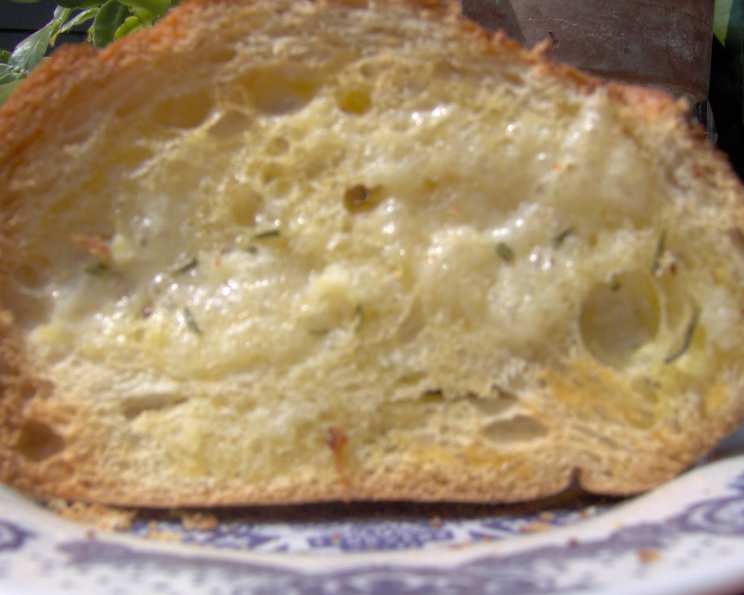
Rosemary Parmesan French Bread: A Culinary Classic Elevated
The scent of rosemary always transports me back to my grandmother’s kitchen. She had a small herb garden just outside her window, and I remember sneaking sprigs of rosemary to nibble on while she prepared our Sunday dinners. That distinct aroma, combined with the savory tang of Parmesan and the comforting warmth of freshly baked bread, is pure nostalgia. This Rosemary Parmesan French Bread is my attempt to capture those cherished memories in a single, delicious bite. It’s incredibly easy to make, yet elegant enough to serve at any gathering.
Recipe Overview
- Prep Time: 10 minutes
- Cook Time: 15 minutes
- Total Time: 25 minutes
- Servings: 14
- Yield: 1 loaf
- Dietary Type: Vegetarian
Ingredients
- ½ cup butter, unsalted
- ½ cup grated Parmesan cheese
- 1 garlic clove, minced
- 1 teaspoon minced fresh rosemary
- 1 loaf French bread, halved lengthwise
Equipment Needed
- Microwave-safe bowl
- Baking sheet
- Pastry brush (optional)
- Knife
- Cutting board
Instructions
-
Preheat your oven to 400°F (200°C). Make sure your baking sheet is ready. No need to grease it.
-
In a microwave-safe bowl, melt the butter. This usually takes about 30-45 seconds on high, but keep an eye on it to prevent splattering.
-
To the melted butter, stir in the Parmesan cheese, minced garlic, and minced fresh rosemary. Make sure everything is well combined. The mixture should be fragrant and slightly thickened.
-
Using a pastry brush or spoon, generously brush the butter mixture over the cut side of the French bread halves. Ensure every nook and cranny is coated for maximum flavor.
-
Place the bread halves, cut side up, on an ungreased baking sheet.
-
Bake at 400°F (200°C) for 15 minutes, or until the bread is lightly browned and the cheese is bubbly and golden. Keep a close watch during the last few minutes to avoid burning. Ovens can vary, so adjust the baking time as needed.
-
Remove from the oven and let cool slightly before slicing.
-
Slice and serve warm. The aroma alone will have everyone clamoring for a piece.
Expert Tips & Tricks
-
Fresh vs. Dried Rosemary: Fresh rosemary is preferred for its brighter flavor, but if you only have dried rosemary on hand, use about 1/2 teaspoon instead of 1 teaspoon of fresh.
-
Garlic Intensity: For a more intense garlic flavor, let the minced garlic sit in the melted butter for about 5 minutes before adding the Parmesan and rosemary. This allows the garlic to infuse the butter with its pungent aroma.
-
Cheese Choice: While Parmesan is classic, you can experiment with other hard cheeses like Pecorino Romano or Asiago. A blend of cheeses can also add complexity.
-
Even Baking: For even browning, rotate the baking sheet halfway through the baking time.
-
Preventing Soggy Bread: Ensure the bread isn’t overly saturated with the butter mixture to prevent a soggy texture. Use a generous but controlled hand.
-
Make-Ahead Tip: You can prepare the butter mixture in advance and store it in the refrigerator for up to 2 days. Bring it to room temperature before brushing onto the bread. You can also brush the bread ahead of time and keep it, covered, in the fridge until ready to bake. You may need to add a minute or two to the baking time if the bread is cold.
-
Broiler Boost (Use with extreme caution): For extra golden browning, you can broil the bread for the last minute or two of baking. Watch it like a hawk to prevent burning!
Serving & Storage Suggestions
This Rosemary Parmesan French Bread is best served warm, right out of the oven. It’s a perfect accompaniment to soups, salads, pasta dishes, or grilled meats. It also makes a fantastic appetizer for parties.
Serving Suggestions:
- Serve alongside a bowl of creamy tomato soup for a comforting meal.
- Pair with a simple green salad with a vinaigrette dressing.
- Use it to soak up the delicious sauce from a plate of spaghetti marinara.
- Cut into smaller pieces and serve as crostini with various toppings.
Storage Suggestions:
- Room Temperature: Leftover bread can be stored at room temperature in an airtight container for up to 2 days. However, it’s best consumed fresh for optimal texture.
- Refrigerator: For longer storage, store the bread in an airtight container in the refrigerator for up to 4 days.
- Freezer: To freeze, wrap the bread tightly in plastic wrap and then in aluminum foil. It can be stored in the freezer for up to 2 months.
- Reheating: To reheat, wrap the bread in foil and bake at 350°F (175°C) for 10-15 minutes, or until warmed through. You can also reheat individual slices in a toaster oven or microwave.
Nutritional Information
| Nutrient | Amount per Serving | % Daily Value |
|---|---|---|
| Calories | 285.3 kcal | N/A |
| Total Fat | 8.9 g | 13% |
| Saturated Fat | 5.2 g | 25% |
| Cholesterol | 20.6 mg | 6% |
| Sodium | 487.8 mg | 20% |
| Total Carbohydrate | 41.5 g | 13% |
| Dietary Fiber | 1.8 g | 7% |
| Sugars | 1.9 g | N/A |
| Protein | 10.1 g | 20% |
Note: Nutritional information is an estimate and may vary based on specific ingredients and serving sizes.
Variations & Substitutions
- Gluten-Free: Use a gluten-free French bread loaf.
- Vegan: Use vegan butter and substitute nutritional yeast for Parmesan cheese. Add a pinch of garlic powder for extra flavor.
- Herb Variations: Experiment with other herbs like thyme, oregano, or basil.
- Spicy Kick: Add a pinch of red pepper flakes to the butter mixture for a little heat.
- Cheese Variations: Try using a blend of Parmesan and mozzarella for a cheesier bread.
- Olive Oil: Substitute olive oil for butter for a slightly different flavor profile and a healthier option.
- Sun-Dried Tomatoes: Add chopped sun-dried tomatoes to the butter mixture for a burst of Mediterranean flavor.
- Caramelized Onions: Top the bread with caramelized onions for a sweet and savory twist.
FAQs (Frequently Asked Questions)
Q: Can I use garlic powder instead of fresh garlic?
A: Yes, you can substitute about 1/2 teaspoon of garlic powder for the fresh garlic clove. However, fresh garlic provides a more robust flavor.
Q: My bread is getting too brown on top. What should I do?
A: Tent the bread with aluminum foil to prevent further browning.
Q: Can I use a different type of bread?
A: While French bread is traditional, you can use other types of bread like Italian bread or a baguette. Adjust the baking time accordingly.
Q: How do I know when the bread is done?
A: The bread is done when it’s lightly browned and the cheese is bubbly and golden. You can also insert a toothpick into the center of the bread to check for doneness.
Q: Can I add other toppings to the bread?
A: Absolutely! Feel free to experiment with other toppings like chopped olives, artichoke hearts, or roasted red peppers.
Final Thoughts
This Rosemary Parmesan French Bread is more than just a recipe; it’s an invitation to create lasting memories. It’s a simple yet elegant dish that can elevate any meal or gathering. So, gather your ingredients, preheat your oven, and let the aroma of rosemary and Parmesan fill your kitchen. I encourage you to try this recipe, experiment with different variations, and share your creations with loved ones. Bon appétit!