
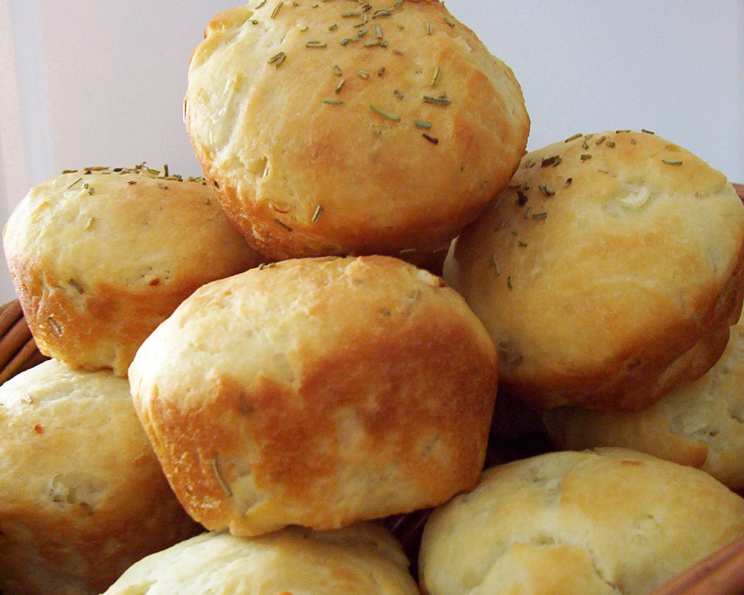
Rosemary Satin Dinner Rolls: A Chef’s Journey
The scent of rosemary, mingled with the comforting aroma of baking bread, instantly transports me back to my grandmother’s sun-drenched kitchen. Every Sunday, she would craft these incredibly soft and fragrant rolls, the rosemary’s earthy perfume weaving its way through the house. They were always the star of the meal, fluffy clouds of goodness that somehow made every gathering feel a little warmer, a little more special. I can still picture her, dusting flour from her apron, offering me a still-warm roll slathered with butter – a tradition I’ve happily carried on in my own kitchen.
Recipe Overview
- Prep Time: 57 minutes (includes resting/rising time)
- Cook Time: 12-15 minutes
- Total Time: Approximately 1 hour 30 minutes (including rising time)
- Servings: 12 rolls
- Yield: 12 rolls
- Dietary Type: Not specified (contains dairy and eggs)
Ingredients
- 2 ½ – 3 cups all-purpose flour
- 2 ¼ teaspoons active dry yeast
- ⅔ cup cream-style cottage cheese
- ¼ cup water
- ¼ cup butter
- 2 tablespoons finely chopped onions
- ½ teaspoon salt
- ½ teaspoon dried rosemary, crushed
- 1 egg
- 1 egg yolk, slightly beaten
- 1 tablespoon water
Equipment Needed
- Large mixing bowl
- Small saucepan
- Electric mixer
- Wooden spoon
- Greased bowl
- Lightly floured surface
- Muffin tin (12-cup) or baking sheet
- Pastry brush
Instructions
-
In a large mixing bowl, combine ¾ cup of the all-purpose flour and the active dry yeast. Set this mixture aside. This gets the yeast activated and gives it a head start.
-
In a small saucepan, combine the cream-style cottage cheese, ¼ cup water, butter, finely chopped onions, salt, and crushed dried rosemary. Heat and stir the mixture over low heat until it is warm (ideally between 120°F and 130°F) and the butter is almost completely melted. Don’t let the mixture get too hot, as it can kill the yeast.
-
Add the warm cottage cheese mixture to the flour mixture in the large bowl. Then, add the whole egg.
-
Using an electric mixer, beat the ingredients on low speed for 30 seconds to combine. Then, increase the speed to high and beat for a full 3 minutes. This step is crucial for developing the gluten and creating a light and airy texture.
-
Switch to a wooden spoon and stir in as much of the remaining flour as you can manage. The dough will start to come together, but it will still be a bit sticky at this point.
-
Turn the dough out onto a lightly floured surface. Knead in enough of the remaining flour to create a moderately stiff dough that is smooth and elastic. This kneading process should take about 6 to 8 minutes in total. Proper kneading is essential for the texture of the rolls.
-
Shape the dough into a ball and place it in a greased bowl, turning the dough once to coat the entire surface with grease. This prevents the dough from drying out as it rises.
-
Cover the bowl and let the dough rise in a warm place until it has doubled in size. This usually takes about 1 hour, but it can vary depending on the temperature of your kitchen. A slightly warm oven (turned off!) or a sunny spot works well.
-
Once the dough has doubled, gently punch it down to release the air. Cover the dough again and let it rest for 10 minutes. This helps relax the gluten and makes it easier to shape the rolls.
-
Divide the dough into 12 equal portions. Shape each portion into a smooth ball and place it in a greased muffin cup (or shape the dough into desired shapes, placing them on a greased baking sheet if you prefer). Ensure there is space between each roll.
-
In a small bowl, whisk together the egg yolk and 1 tablespoon of water. Brush this mixture evenly over the tops of the rolls. This will give them a beautiful golden sheen as they bake. Sprinkle with additional rosemary if desired for enhanced flavor and visual appeal.
-
Cover the shaped rolls and let them rise in a warm place until they are nearly doubled in size, which should take about 30 minutes.
-
While the rolls are rising for the second time, preheat your oven to 400°F (200°C).
-
Bake the rolls in the preheated oven for 12 to 15 minutes, or until they are golden brown on top. Keep a close eye on them to prevent burning.
-
Remove the rolls from the oven and let them cool slightly before serving.
Expert Tips & Tricks
- Temperature is key: When heating the cottage cheese mixture, aim for a temperature between 120°F and 130°F. This is the ideal range for activating the yeast without killing it. Use a kitchen thermometer for accuracy.
- Kneading perfection: Don’t be afraid to knead the dough! Proper kneading develops the gluten, which gives the rolls their structure and chewiness. If the dough is too sticky, add a little more flour, one tablespoon at a time.
- Second rise secrets: A warm, humid environment is ideal for the second rise. You can create this by placing the rolls in a slightly warm oven (turned off) with a pan of hot water underneath.
- Egg wash alternative: If you don’t have an egg yolk, you can use milk or cream as an egg wash substitute.
- Fresh herbs: While dried rosemary works well, using fresh rosemary will elevate the flavor even further. Finely chop the fresh rosemary before adding it to the cottage cheese mixture.
- Muffin tin vs. baking sheet: Using a muffin tin will result in taller, rounder rolls. A baking sheet will create rolls with a slightly flatter, more rustic appearance.
Serving & Storage Suggestions
These Rosemary Satin Dinner Rolls are best served warm, straight from the oven. They are a perfect accompaniment to soups, stews, salads, or any main course. Serve them with butter, olive oil, or your favorite spread.
To store leftovers, place the rolls in an airtight container at room temperature for up to 2 days, or in the refrigerator for up to 5 days. For longer storage, freeze the rolls in a freezer-safe bag or container for up to 2 months.
To reheat, wrap the rolls in foil and warm them in a preheated oven at 350°F (175°C) for about 10-15 minutes, or until heated through. You can also microwave them for a shorter period, but they may become slightly tougher.
Nutritional Information
| Nutrient | Amount per Serving | % Daily Value* |
|---|---|---|
| Calories | 154 kcal | – |
| Calories from Fat | 48 g | 32% |
| Total Fat | 5.4 g | 8% |
| Saturated Fat | 3.1 g | 15% |
| Cholesterol | 45.3 mg | 15% |
| Sodium | 178.9 mg | 7% |
| Total Carbohydrate | 20.8 g | 6% |
| Dietary Fiber | 0.9 g | 3% |
| Sugars | 0.2 g | 0% |
| Protein | 5.2 g | 10% |
*Percent Daily Values are based on a 2,000 calorie diet.
Variations & Substitutions
- Garlic Rosemary Rolls: Add 1-2 cloves of minced garlic to the cottage cheese mixture for an extra layer of flavor.
- Cheese-Stuffed Rolls: Before shaping the dough into balls, flatten each portion and place a small cube of cheese (such as cheddar, mozzarella, or Gruyere) in the center. Bring the edges of the dough together to enclose the cheese and form a ball.
- Sweet Rosemary Rolls: Add 1-2 tablespoons of sugar to the dough for a slightly sweeter flavor. You can also brush the baked rolls with a honey glaze.
- Herb Blend: Experiment with different herbs, such as thyme, oregano, or sage, in addition to or instead of rosemary.
- Gluten-Free Option: Substitute the all-purpose flour with a gluten-free all-purpose flour blend. You may need to adjust the amount of liquid slightly to achieve the desired dough consistency.
FAQs (Frequently Asked Questions)
Q: Can I make the dough ahead of time?
A: Yes, you can prepare the dough through step 8, then refrigerate it overnight. Let it come to room temperature for about 30 minutes before proceeding with step 9.
Q: What if I don’t have cream-style cottage cheese?
A: You can use regular cottage cheese and blend it until smooth before adding it to the recipe.
Q: Can I use instant yeast instead of active dry yeast?
A: Yes, you can substitute instant yeast. You can add it directly to the dry ingredients without proofing it first.
Q: My rolls are browning too quickly. What should I do?
A: Tent the rolls with foil during the last few minutes of baking to prevent them from browning too much.
Q: How do I know when the rolls are done?
A: The rolls are done when they are golden brown on top and sound hollow when tapped on the bottom. An internal temperature of 200-210°F confirms they are cooked through.
Final Thoughts
These Rosemary Satin Dinner Rolls are more than just bread; they’re an experience. They are a testament to the power of simple ingredients, transformed into something truly special with a little bit of time and love. Whether you’re a seasoned baker or a kitchen novice, I encourage you to give this recipe a try. Share them with your loved ones, and let the aroma of rosemary and freshly baked bread fill your home with warmth and joy. And if you make them, I’d love to hear about your experience! What did you serve them with? Did you make any variations? Happy baking!