
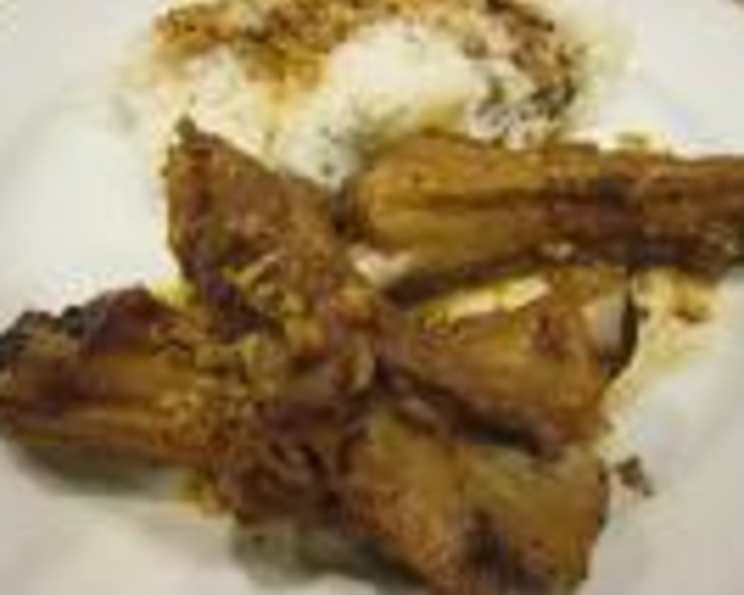
Rose’s Baby Back Ribs Estufao: A Taste of Island Comfort
The aroma still lingers in my memory – a heady mix of tangy vinegar, savory soy, and the sweet richness of pork simmering low and slow. It takes me back to my college days, crammed into a tiny apartment with my Chamorro roommate, Rose. This dish, her family’s version of estufao, wasn’t just food; it was home, a comforting hug on a chilly evening, a shared experience that transcended language and culture. Rose’s estufao wasn’t fancy, but it was deeply satisfying, and every time I make it, I’m transported back to those carefree days, filled with laughter and the promise of a bright future.
Recipe Overview
- Prep Time: 15 minutes
- Cook Time: 1 hour
- Total Time: 1 hour 15 minutes + 4 hours marinating
- Servings: 4-6
- Dietary Type: None Specified
Ingredients
- 2 lbs baby back ribs, cut into individual riblets
- 2 teaspoons kosher salt
- 2 teaspoons black peppercorns, freshly ground
- 8 garlic cloves, finely chopped
- 1 cup cider vinegar
- ¼ cup water
- 2-3 tablespoons soy sauce
- 3 bay leaves
- 1 jalapeno pepper, chopped (optional)
- ¼ teaspoon Accent seasoning (optional)
Equipment Needed
- Large baking dish
- Small bowl
- Large heavy pan
Instructions
-
Begin by generously seasoning the baby back ribs with the kosher salt. Make sure each riblet is well coated to ensure optimal flavor penetration.
-
Arrange the seasoned ribs in a single layer in a large baking dish. This prevents overcrowding and allows for even marination.
-
In a small bowl, combine the black peppercorns and garlic cloves. Using a spoon or a mortar and pestle, mash the ingredients together to form a coarse paste. This releases the aromatic oils and creates a flavorful base for the marinade.
-
Rub the pepper and garlic paste thoroughly onto the ribs, ensuring that each riblet is completely covered. This step infuses the meat with a pungent and savory flavor.
-
In a separate small bowl, whisk together the cider vinegar, soy sauce, bay leaves, and jalapeno pepper (if using). The vinegar adds a tangy brightness, the soy sauce contributes umami and saltiness, the bay leaves provide a subtle herbal aroma, and the jalapeno offers a touch of heat.
-
Pour the vinegar mixture over the ribs in the baking dish. Ensure that the ribs are mostly submerged in the marinade. Add the water.
-
Cover the baking dish tightly with plastic wrap or a lid and refrigerate for at least 4 hours, or preferably overnight. During the marinating process, turn the ribs halfway through to ensure even flavor absorption. The longer the ribs marinate, the more flavorful and tender they will become.
-
When you’re ready to cook the ribs, transfer them along with the marinade to a large, heavy-bottomed pan. This type of pan distributes heat evenly, preventing scorching and ensuring consistent cooking.
-
Bring the mixture to a boil over medium-high heat. Once boiling, reduce the heat to low, cover the pan tightly, and simmer for approximately 1 hour, or until the meat is very tender and easily pulls away from the bone. Check occasionally to ensure the liquid hasn’t evaporated completely; if necessary, add a little more water to prevent burning.
-
Once the ribs are cooked, remove them from the pan. If desired, you can reduce the remaining sauce over medium-high heat until it thickens slightly.
-
Serve the Rose’s Baby Back Ribs Estufao hot, over steamed rice.
Expert Tips & Tricks
- For extra flavor depth: Sear the ribs in the pan before adding the marinade. This will add a beautiful color and caramelized flavor to the meat.
- Spice it up: If you like a bit more heat, add a pinch of red pepper flakes to the marinade.
- Make ahead: The ribs can be marinated for up to 24 hours in the refrigerator. This allows the flavors to meld together even more.
- If the sauce is too thin: After the ribs are cooked, remove them from the pan and simmer the sauce over medium-high heat until it reduces to your desired consistency. Be careful not to burn it.
- To thicken the sauce quickly: Make a slurry of cornstarch and water (1 tablespoon of cornstarch mixed with 2 tablespoons of cold water) and whisk it into the simmering sauce. Cook until thickened, about 1-2 minutes.
- Using the spoon, skim the top of the braising liquid for excessive fat before plating to improve the mouthfeel.
Serving & Storage Suggestions
Serve Rose’s Baby Back Ribs Estufao immediately, hot, over a bed of fluffy steamed rice. The rice soaks up the flavorful sauce beautifully. Garnish with chopped green onions or sesame seeds for added visual appeal.
Leftovers can be stored in an airtight container in the refrigerator for up to 3-4 days. To reheat, gently warm the ribs in a pan over low heat, adding a little water or broth if necessary to prevent them from drying out. You can also reheat them in the microwave, but be careful not to overcook them. For longer storage, the ribs can be frozen for up to 2-3 months. Thaw them overnight in the refrigerator before reheating.
Nutritional Information
| Nutrient | Amount per Serving | % Daily Value |
|---|---|---|
| Calories | 865.7 kcal | N/A |
| Calories from Fat | 603 g | 70% |
| Total Fat | 67.1 g | 103% |
| Saturated Fat | 24.9 g | 124% |
| Cholesterol | 267.5 mg | 89% |
| Sodium | 1608 mg | 67% |
| Total Carbohydrate | 3.1 g | 1% |
| Dietary Fiber | 0.2 g | 0% |
| Sugars | 0.5 g | 1% |
| Protein | 56.3 g | 112% |
Note: Nutritional information is an estimate and may vary based on specific ingredients and preparation methods.
Variations & Substitutions
- Spicy Estufao: Add more jalapenos or a dash of cayenne pepper to the marinade for an extra kick.
- Sweet and Tangy Estufao: Incorporate a tablespoon of brown sugar or honey into the marinade to balance the vinegar’s tanginess.
- Chicken Estufao: Substitute the baby back ribs with chicken thighs or drumsticks for a leaner alternative. Adjust cooking time accordingly, ensuring the chicken is cooked through.
- Pork Shoulder Estufao: Use pork shoulder (Boston Butt) cut into chunks for a richer, more succulent dish. This will require a longer cooking time.
- Vegetarian Option: While traditionally a meat dish, you could adapt this recipe with firm tofu or tempeh. Press the tofu to remove excess water, then cut into cubes and marinate as directed. Braise until tender and flavorful.
FAQs (Frequently Asked Questions)
Q: Can I use a different type of vinegar?
A: While cider vinegar provides a traditional flavor, you can experiment with other vinegars like white vinegar or rice vinegar. The taste profile will change slightly, so adjust the soy sauce accordingly.
Q: How do I know when the ribs are done?
A: The ribs are done when the meat is very tender and easily pulls away from the bone. You should be able to insert a fork into the meat with little resistance.
Q: Can I cook this in a slow cooker?
A: Yes, you can adapt this recipe for a slow cooker. Marinate the ribs as directed, then place them in the slow cooker with the marinade. Cook on low for 6-8 hours, or until the meat is tender.
Q: What if I don’t have bay leaves?
A: While bay leaves add a subtle flavor, you can omit them if you don’t have any on hand. You could also substitute with a pinch of dried thyme or oregano.
Q: Can I grill the ribs after braising?
A: Absolutely! Braising the ribs makes them incredibly tender. Finishing them on the grill for a few minutes will add a smoky char and crispy texture.
Final Thoughts
Rose’s Baby Back Ribs Estufao is more than just a recipe; it’s a story, a memory, a taste of home. It’s a reminder that the simplest dishes, made with love and shared with friends and family, are often the most unforgettable. I urge you to try this recipe and experience the comforting flavors of this Chamorro classic. Feel free to adapt it to your own preferences and make it your own. And please, share your creations and feedback with me – I’d love to hear how this recipe brings a little bit of island sunshine into your kitchen.