
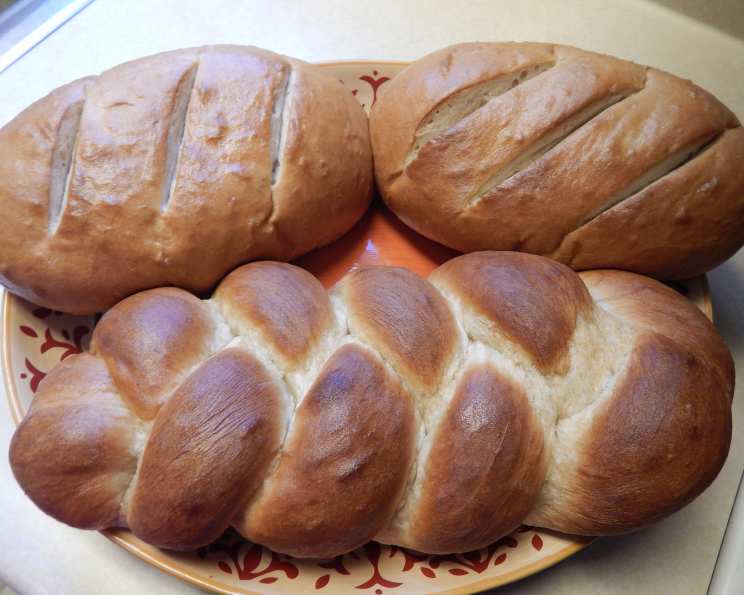
Rose’s Hearth Bread: A Baker’s Embrace
The aroma of baking bread has always been my personal time machine. One whiff, and I’m instantly transported back to my grandmother’s kitchen, a place perpetually filled with warmth and the comforting scent of rising dough. Grandma Rose, a formidable woman with flour perpetually dusting her apron, had a knack for turning simple ingredients into edible love. While this particular recipe isn’t hers exactly, it evokes that same feeling of rustic simplicity and wholesome goodness. It’s a recipe I discovered years ago, tucked away on the back of a bag of Gold Medal flour, attributing it to the brilliant Rose Levy Beranbaum. It quickly became a staple, a bread that feels like a warm hug, fresh from the oven.
Recipe Overview
- Prep Time: 2 hours (includes rising time)
- Cook Time: 25-30 minutes
- Total Time: 2 hours 25-30 minutes
- Servings: 12
- Yield: 1 loaf
- Dietary Type: Vegetarian
Ingredients
- 3 1/3 cups bread flour
- 1/4 cup whole wheat flour
- 1 1/2 teaspoons fine sea salt
- 1 1/4 teaspoons yeast
- 1 1/3 cups water
- 1 teaspoon honey
Optional Stir-ins (1/4 cup of 1 or 2 of the following):
- Kalamata olives, pitted and roughly chopped
- Roasted garlic cloves, mashed
- Sun-dried tomatoes, oil-packed, drained and cut into pieces
- Sliced chives, fresh
- Shelled sunflower seeds
- 1 teaspoon fresh rosemary or 1/2 teaspoon dried rosemary
- 1 teaspoon fresh thyme or 1/2 teaspoon dried thyme
Equipment Needed
- Medium mixing bowl
- Large bowl
- Plastic wrap
- Cookie sheet
- Cooking parchment paper or cornmeal
- Baking stone (optional, but recommended)
- Shallow pan
- Cooling rack
Instructions
- In a medium bowl, thoroughly stir together the bread flour, whole wheat flour, sea salt, and yeast. Make sure the yeast is evenly distributed throughout the flour mixture.
- Add the water and honey to the dry ingredients. Stir until a shaggy dough forms.
- On a lightly floured surface, knead the dough until it becomes smooth and springy, yet still slightly sticky. This should take about 5-7 minutes. If the dough is too dry, add a teaspoon of water at a time. If it’s too sticky, add a teaspoon of flour at a time. Remember, a slightly sticky dough is preferable to a dry one.
- Lightly brush the inside of a large bowl with oil.
- Place the dough in the oiled bowl, turning it to coat all sides. This prevents the dough from drying out as it rises.
- Cover the bowl tightly with plastic wrap. Ensure the plastic wrap creates a good seal to trap moisture and warmth.
- Let the dough rise in a warm place for about 1 hour, or until it has doubled in size. The warmer the environment, the faster the rise. A good spot is near a slightly warm oven (not hot!).
- Line a cookie sheet with cooking parchment paper or lightly sprinkle it with cornmeal. Parchment paper is easier for cleanup, while cornmeal adds a subtle textural element to the bottom crust.
- Gently push your fist into the risen dough to deflate it. This releases excess gas and evens out the dough’s texture.
- Shape the dough into a round ball. Aim for a smooth, even surface.
- Place the shaped dough on the prepared cookie sheet.
- Cover the dough with oiled plastic wrap (lightly grease the side touching the dough) and let it rise in a warm place for about 45 minutes. This second rise is crucial for developing a light and airy crumb.
- Place a baking stone on the lowest oven rack (if using) and preheat the oven to 475°F (246°C). The baking stone helps to create a crispy crust by providing even heat distribution. If you don’t have a baking stone, you can bake the bread directly on the cookie sheet.
- Carefully cut an X-shaped slash on the top of the dough using a sharp knife or lame. This allows the bread to expand properly during baking and creates a visually appealing crust.
- Spray the dough with cool water. This helps to create steam in the oven, which is essential for a good crust.
- Place the cookie sheet with the dough in the preheated oven (on top of the baking stone, if using).
- Place one cup of water in a shallow pan on another rack in the oven. This creates even more steam, contributing to a crispy, chewy crust. Be careful when adding the water to the hot pan.
- Bake for 10 minutes at 475°F (246°C).
- Reduce the oven temperature to 425°F (220°C) and bake for an additional 15-20 minutes, or until the bread is golden brown and a skewer inserted into the center comes out clean. The internal temperature of the bread should be around 200-210°F (93-99°C).
- Cool completely on a cooling rack before slicing and serving. This is crucial for preventing the bread from becoming gummy.
Expert Tips & Tricks
- For an even more intensely flavored loaf, try using a pre-ferment like a poolish or biga. This involves mixing a portion of the flour, water, and yeast a day ahead and letting it ferment, which develops complex flavors.
- If you find your oven tends to brown bread too quickly, try tenting the loaf with aluminum foil during the last 10 minutes of baking.
- Don’t be afraid to experiment with different flours. Spelt, rye, or even a touch of cornmeal can add unique textures and flavors.
- The steam created by the water is key to a great crust. If you don’t have a baking stone, you can preheat a cast-iron skillet on the bottom rack and pour the water into that.
Serving & Storage Suggestions
Rose’s Hearth Bread is best served warm, fresh from the oven. Its rustic charm makes it a perfect accompaniment to hearty soups, stews, or even just a simple salad. Serve it with a generous slather of butter, a drizzle of olive oil, or alongside a cheese board for a satisfying appetizer.
Leftovers can be stored at room temperature in a bread bag or airtight container for up to 3 days. For longer storage, wrap the bread tightly in plastic wrap and freeze it for up to 2 months. To reheat, thaw the bread completely and then warm it in a 350°F (175°C) oven for about 10-15 minutes, or until heated through. You can also revive a slightly stale loaf by sprinkling it with water and reheating it in the oven, which will help to crisp up the crust.
Nutritional Information
| Nutrient | Amount per Serving | % Daily Value |
|---|---|---|
| Calories | 138 kcal | N/A |
| Total Fat | 0.4 g | 0% |
| Saturated Fat | 0.1 g | 0% |
| Cholesterol | 0 mg | 0% |
| Sodium | 292.4 mg | 12% |
| Total Carbohydrate | 28.9 g | 9% |
| Dietary Fiber | 1.3 g | 5% |
| Sugars | 0.6 g | 2% |
| Protein | 4.1 g | 8% |
Note: Nutritional information is an estimate and may vary depending on specific ingredients and portion sizes.
Variations & Substitutions
- Gluten-Free: While a true gluten-free version would require a completely different recipe and a blend of gluten-free flours, you can experiment with adding a small amount of gluten-free flour (like oat flour or rice flour) – up to 1/4 cup – to the dough for a slightly different texture.
- Dairy-Free: This recipe is naturally dairy-free.
- Vegan: This recipe is naturally vegan.
- Herb Variations: Beyond rosemary and thyme, try incorporating other herbs like oregano, basil, or even a pinch of red pepper flakes for a subtle kick.
- Seed Variations: Experiment with different seeds like sesame, poppy, or flax seeds, either mixed into the dough or sprinkled on top before baking.
FAQs (Frequently Asked Questions)
Q: Can I use active dry yeast instead of instant yeast?
A: Yes, you can. If using active dry yeast, dissolve it in the warm water with the honey for about 5-10 minutes before adding it to the flour mixture.
Q: My dough isn’t rising. What could be the problem?
A: Several factors can affect dough rising. Make sure your yeast is fresh and hasn’t expired. Also, ensure the water isn’t too hot, as it can kill the yeast. The ambient temperature also plays a role – a warmer environment will promote faster rising.
Q: How do I know when the bread is done?
A: The bread is done when it’s golden brown, sounds hollow when tapped on the bottom, and a skewer inserted into the center comes out clean. The internal temperature should be around 200-210°F (93-99°C).
Q: Can I make this dough in a bread machine?
A: Yes, you can. Follow your bread machine’s instructions for a basic white bread recipe, using the ingredient quantities listed above.
Q: What if I don’t have a baking stone?
A: If you don’t have a baking stone, you can bake the bread directly on the cookie sheet. Just make sure to preheat the oven thoroughly.
Final Thoughts
Rose’s Hearth Bread is more than just a recipe; it’s an invitation to slow down, connect with the simple pleasure of baking, and fill your home with the irresistible aroma of freshly baked bread. Don’t be intimidated by the yeast – embrace the process, experiment with different flavors, and make this bread your own. Share it with loved ones, savor each bite, and let the warmth of this homemade creation nourish both body and soul. I encourage you to try this recipe and let me know how it turns out! Perhaps serve it alongside a hearty minestrone soup, or a crisp green salad with a tangy vinaigrette. Enjoy!