
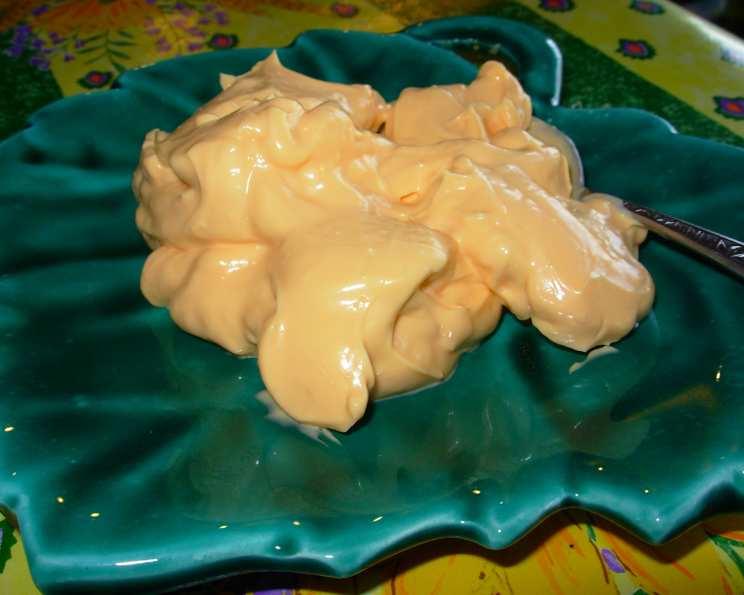
Rouille: A Taste of the French Riviera
I’ll never forget the first time I tasted Rouille. I was a young culinary student backpacking through the South of France, lured by the promise of sunshine and sensational cuisine. In a tiny port-side bistro in Marseille, I ordered a bowl of bouillabaisse, the region’s famous seafood stew. The waiter placed before me a fiery orange dollop alongside the steaming soup – Rouille. One taste, and I was hooked. The creamy texture, the pungent garlic, the subtle heat, and that unmistakable saffron aroma transported me instantly to the sun-drenched shores of the Mediterranean. It was a flavour experience I knew I had to recreate.
Recipe Overview
- Prep Time: 15 minutes
- Cook Time: 0 minutes
- Total Time: 15 minutes
- Servings: Variable
- Yield: 2 Cups
- Dietary Type: Gluten-Free
Ingredients
- 3 egg yolks
- 1⁄4 teaspoon dry mustard
- 4 – 6 minced garlic cloves
- 1 tablespoon white wine, warmed slightly
- 1 teaspoon saffron thread
- 1⁄2 teaspoon cayenne pepper
- 1 teaspoon pastis or 1 teaspoon Ricard
- 1 1⁄2 cups olive oil
- Salt to taste
- 1⁄2 lemon, juice of
Equipment Needed
- Food processor or blender
- Measuring spoons and cups
- Small bowl
Instructions
-
Begin by preparing your flavour base. Place the egg yolks, dry mustard, and minced garlic cloves into the bowl of your food processor or blender. Purée the mixture for approximately 30 seconds, or until the garlic is finely minced and the mixture starts to come together.
-
Emulsifying the Sauce: This is the most important step in creating a proper Rouille. With the machine still running, begin to add the olive oil very slowly, drop by drop. The goal is to create a stable emulsion. Continue adding the oil in this manner until the mixture begins to thicken and become smooth.
-
Once the mixture has achieved a thick and smooth consistency, you can begin to add the remaining olive oil in a slow, steady stream. It is crucial to maintain a consistent flow while the machine is running to prevent the emulsion from breaking. If the sauce appears to be separating at any point, stop adding the oil and allow the machine to continue running until the mixture recombines.
-
Infuse the Flavour: In a small bowl, dissolve the saffron threads in the warmed white wine. This will help to release the saffron’s flavour and colour.
-
Adding the Saffron Infusion: Pour the saffron and white wine mixture into the blender or food processor with the mayonnaise base. Continue to blend until the saffron is evenly distributed throughout the sauce, and the mixture takes on a vibrant, golden hue.
-
Transfer and Season: Pour the Rouille into a bowl. Taste the sauce and season with salt and lemon juice to your liking. Be sure to add the lemon juice gradually, tasting as you go, to avoid making the sauce too tart.
-
Adjusting the Heat: Stir in the cayenne pepper. As with the lemon juice, add it little by little tasting after each addition until you reach your desired heat level. Some may prefer a subtle warmth, while others might enjoy a more pronounced kick.
-
Adding Anise Flavour: If using, incorporate the pastis or Ricard to the sauce and mix well.
-
Serve immediately as an accompaniment to bouillabaisse or other fish soup. It can also be used as a dip for vegetables or spread on toast.
Expert Tips & Tricks
- Temperature is Key: Ensure your egg yolks are at room temperature for optimal emulsification.
- Slow and Steady: Adding the oil too quickly is the most common cause of a broken mayonnaise. Patience is key!
- Garlic Intensity: Adjust the number of garlic cloves based on your preference. For a milder flavour, use fewer cloves; for a bolder taste, use more.
- Saffron Quality: Use high-quality saffron threads for the best flavour and colour. The aroma should be intensely floral and slightly metallic.
- Rescue a Broken Rouille: If the sauce separates, try whisking an egg yolk in a separate bowl and slowly drizzling the broken sauce into it, whisking constantly. This can sometimes help to re-emulsify the mixture. Alternatively, start with a new yolk in a clean bowl and slowly drizzle in the broken mixture, as if making a fresh batch of mayonnaise.
Serving & Storage Suggestions
Rouille is traditionally served as an accompaniment to bouillabaisse, providing a creamy, flavourful counterpoint to the rich seafood stew. It can also be served with other fish soups, grilled fish, or vegetables. For an elegant presentation, serve the Rouille in a small ramekin alongside the main dish.
To store, transfer the Rouille to an airtight container and refrigerate immediately. It is best consumed within 3-4 days, as the flavours will mellow over time and the emulsion may start to break down. Due to the raw egg yolks, it is essential to keep the Rouille properly refrigerated and to discard any leftovers after a few days to prevent spoilage. Freezing is not recommended, as it will alter the texture and consistency of the sauce.
Nutritional Information
| Nutrient | Amount per Serving | % Daily Value |
|---|---|---|
| Calories | 1528.3 kcal | N/A |
| Calories from Fat | 1515 g | 99% |
| Total Fat | 168.3 g | 258% |
| Saturated Fat | 24.6 g | 122% |
| Cholesterol | 283.2 mg | 94% |
| Sodium | 16.4 mg | 0% |
| Total Carbohydrate | 4.6 g | 1% |
| Dietary Fiber | 0.4 g | 1% |
| Sugars | 0.6 g | 2% |
| Protein | 4.3 g | 8% |
Variations & Substitutions
- Vegan Rouille: Substitute the egg yolks with aquafaba (the liquid from canned chickpeas) for a vegan version.
- Spicy Rouille: Add a pinch of smoked paprika along with the cayenne pepper for a smoky heat.
- Herbaceous Rouille: Incorporate finely chopped fresh herbs like parsley, chives, or tarragon for added flavour and freshness.
- Lemon Rouille: Add the zest of one lemon along with the juice for a more intense citrus flavour.
- Regional Variations: Some recipes include bread or mashed potatoes to thicken the Rouille. If you prefer a heartier version, try adding a small amount of finely grated bread or mashed potato to the food processor along with the other ingredients.
FAQs (Frequently Asked Questions)
Q: Can I make Rouille without a food processor or blender?
A: While it’s more challenging, you can make it by hand using a whisk. It requires a lot of elbow grease and very slow addition of the oil to create a stable emulsion.
Q: What can I use instead of pastis or Ricard?
A: If you don’t have pastis or Ricard, you can use a few drops of anise extract, or simply omit it altogether. The anise flavour is traditional but not essential.
Q: How do I know if my Rouille has gone bad?
A: Look for signs of spoilage like a sour smell, a slimy texture, or discolouration. If in doubt, discard it to avoid any risk of food poisoning.
Q: My Rouille is too thick. How can I thin it out?
A: Add a teaspoon or two of water or lemon juice and whisk until you reach your desired consistency.
Q: Can I make Rouille ahead of time?
A: Yes, you can make it a few hours in advance. Store it in an airtight container in the refrigerator until ready to serve. The flavours will meld together nicely, but the texture may slightly change.
Final Thoughts
Rouille is more than just a sauce; it’s a taste of the sun-drenched South of France, a flavour memory waiting to be recreated. Don’t be intimidated by the emulsification process; with a little patience and the right technique, you’ll be whisking up a batch of this vibrant, flavourful condiment in no time. I encourage you to try this recipe and share your feedback. Experiment with different variations, and most importantly, enjoy the process of creating something delicious! Bon appétit!