
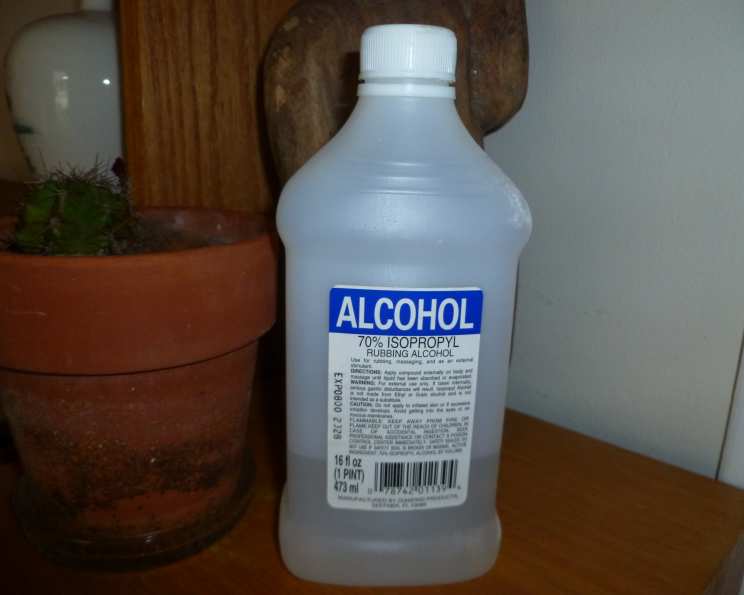
Beyond the Medicine Cabinet: Unexpected Uses for Rubbing Alcohol
Rubbing alcohol. The scent alone conjures memories of childhood scrapes and my mother’s unwavering dedication to cleanliness. I remember the sting of it on a skinned knee, quickly followed by the relief of a bandage and the promise of a popsicle. But beyond its medicinal uses, I’ve learned that this humble liquid is a surprisingly versatile tool around the house. From cleaning hacks to beauty solutions, rubbing alcohol is a secret weapon I wouldn’t want to be without.
Recipe Overview
- Ready In: 1 minute
- Ingredients: 2
- Yields: 1 Batch
Ingredients
- Rubbing alcohol
- Water (for some uses)
Equipment Needed
- Spray bottles
- Cotton balls
- Clean cloths
- Zip-lock bags
Instructions
- Sterilize thermometers: Wipe down thermometers with rubbing alcohol to ensure cleanliness.
- Nail Fungus: For relief, soak feet in a mixture of equal parts water and rubbing alcohol.
- Muscle & Joint Reliever: Rub rubbing alcohol directly onto sore muscles and joints to relieve pain.
- Ear Wax: Dab equal parts alcohol and vinegar into the ear, repeating every other week. This helps loosen and remove earwax.
- Swimmer’s Ear: Pour a little rubbing alcohol in the ear to help evaporate the water and prevent infection after swimming.
- Athlete’s Foot: Rub rubbing alcohol on feet daily to combat athlete’s foot.
- Hand Sanitizer: Mix 2/3 cup rubbing alcohol and 1/3 cup aloe vera gel for a homemade hand sanitizer.
- Remove Ticks: Dab the tick with alcohol, then rub the tick as close to the skin as possible. Dab again to disinfect after removal.
- Mosquito Bites: Dab rubbing alcohol on bites to relieve itch and help them heal.
- Cold Sores: Dab rubbing alcohol on a cold sore to help dry out the area.
- Window Cleaner: Mix 1 cup rubbing alcohol with 1 cup water. This solution shines windows and helps prevent frost buildup.
- Remove Hairspray: Wipe counters and mirrors with rubbing alcohol to remove sticky hairspray residue.
- Windshield Frost: Spray rubbing alcohol on the windshield to remove frost.
- Floor Scuffs: Dampen a cloth with rubbing alcohol and wipe away floor scuffs.
- Chrome Cleaner: Pour rubbing alcohol on a soft cloth and wipe chrome fixtures to clean and shine.
- Laundry Stains: Soak the stained spot in rubbing alcohol for a few minutes before washing to help remove paint, ink, or marker stains.
- Remove Permanent Marker Marks from Hard Surfaces: Saturate the ink with rubbing alcohol and wipe it away.
- Makeup Brush Sanitizer: Soak makeup brushes in rubbing alcohol for 30 minutes. Allow them to air dry, and repeat every couple of weeks to keep them clean.
- Ring Around the Collar: Wipe rubbing alcohol on the neck before dressing to prevent ring around the collar.
- Stainless Steel Cleaner: Rubbing alcohol removes fingerprints and smudges from stainless steel, leaving only shine.
- Degreaser: Use rubbing alcohol on appliances, countertops, and cabinets to remove grease. It can also be used to remove grease from carpet by applying it to a rag and lightly rubbing the stain.
- Electronic Cleaner: With a dampened rag, wipe phones, stereos, gaming systems, etc., with rubbing alcohol to remove grime and disinfect.
- Eyeglasses Cleaner: Spray a small amount of rubbing alcohol on eyeglasses and wipe them with a soft cloth for a streak-free clean.
- Jewelry Cleaner: Soak jewelry in rubbing alcohol for a few minutes, then remove and polish with a soft, clean cloth.
- Remove Fruit Flies: Spray fruit flies with a fine mist of rubbing alcohol.
- Kill Dust Mites (maybe Bed Bugs): Spray rubbing alcohol on the bed, let it dry completely, then vacuum. Note: For suspected bed bug infestations, consult with a professional pest control service.
- Air Freshener: Mix 1 cup rubbing alcohol with 10-15 drops essential oil in a spray bottle for a customizable air freshener.
- Remove Sticky Residue: Soak the sticky area with rubbing alcohol for a few minutes and then wipe away the residue.
- Make an Ice Pack: Mix 1 part rubbing alcohol and 3 parts water in a zip-lock bag, freeze, and use as an ice pack. The alcohol prevents it from freezing solid.
- Nail Polish Remover: In a pinch, rubbing alcohol can be used as a nail polish remover.
- Candle Cleaner: Use a damp rag with rubbing alcohol to wipe away dust and grime from candles.
- Clean Dry Erase Board: Wipe a dry-erase board with a damp rag and rubbing alcohol to remove stubborn marks.
- Shoe Stretcher: Apply a thin coat of rubbing alcohol to the interior and exterior of shoes. Place the shoe on your foot or use a shoe stretcher to resize.
- Remove Shoe Odor: Spray shoes with rubbing alcohol and place them in a sunny spot to dry to eliminate odors.
- Freshen Onion/Garlic Hands: Rinse hands with rubbing alcohol after handling onions or garlic to neutralize the odor.
Expert Tips & Tricks
- Dilution is Key: When using rubbing alcohol for cleaning, it’s often best to dilute it with water, especially on delicate surfaces.
- Test First: Before applying rubbing alcohol to any surface, test it in an inconspicuous area to ensure it doesn’t cause damage or discoloration.
- Ventilation: Always use rubbing alcohol in a well-ventilated area, as the fumes can be irritating.
- Higher Percentage for Disinfecting: For disinfecting purposes, use a rubbing alcohol solution with a higher percentage of alcohol (70% or higher).
- Avoid on Natural Stone: Do not use rubbing alcohol on natural stone surfaces like granite or marble, as it can damage the finish.
Serving & Storage Suggestions
Since this recipe covers a variety of cleaning and sanitizing uses, there is no traditional “serving” aspect. For storage, keep the rubbing alcohol tightly sealed in its original container and store it in a cool, dark place away from direct sunlight and heat sources. Properly stored, rubbing alcohol has a long shelf life.
Nutritional Information
Rubbing alcohol is not intended for consumption and has no nutritional value.
| Nutrient | Amount per Serving | % Daily Value |
|---|---|---|
| Calories | 0 kcal | 0% |
| Total Fat | 0g | 0% |
| Saturated Fat | 0g | 0% |
| Cholesterol | 0mg | 0% |
| Sodium | 0mg | 0% |
| Total Carbohydrate | 0g | 0% |
| Dietary Fiber | 0g | 0% |
| Sugars | 0g | 0% |
| Protein | 0g | 0% |
Variations & Substitutions
- Scented Alcohol: For a more pleasant cleaning experience, add a few drops of your favorite essential oil to the rubbing alcohol.
- Isopropyl vs. Ethyl: While isopropyl alcohol is commonly used as rubbing alcohol, ethyl alcohol (ethanol) can also be used for some applications. Check the label to ensure it’s suitable for your intended purpose.
- Vinegar Alternative: In some cleaning applications, white vinegar can be used as a substitute for rubbing alcohol, although it may not have the same disinfecting properties.
FAQs (Frequently Asked Questions)
Q: Is rubbing alcohol safe to use on all surfaces?
A: No, it’s essential to test rubbing alcohol in an inconspicuous area first, as it can damage or discolor some surfaces, especially natural stone.
Q: Can I drink rubbing alcohol?
A: Absolutely not. Rubbing alcohol is toxic and should never be ingested.
Q: What percentage of rubbing alcohol is best for disinfecting?
A: A concentration of 70% or higher is generally recommended for effective disinfecting.
Q: How long does homemade hand sanitizer last?
A: Homemade hand sanitizer should be effective for several months if stored properly in a sealed container.
Q: Can rubbing alcohol kill bed bugs?
A: Rubbing alcohol may kill bed bugs on contact, but it’s not a reliable or recommended treatment for a full-blown infestation. Consult with a pest control professional for effective solutions.
Final Thoughts
Don’t underestimate the power of that bottle hiding in your medicine cabinet! Rubbing alcohol is a surprisingly useful tool for cleaning, sanitizing, and even providing relief for minor ailments. Experiment safely with these different uses and discover how this simple liquid can simplify your life. I encourage you to try these out, share your results, and perhaps even discover new and innovative uses for this everyday essential. Who knows, you might just find your new favorite cleaning hack!