
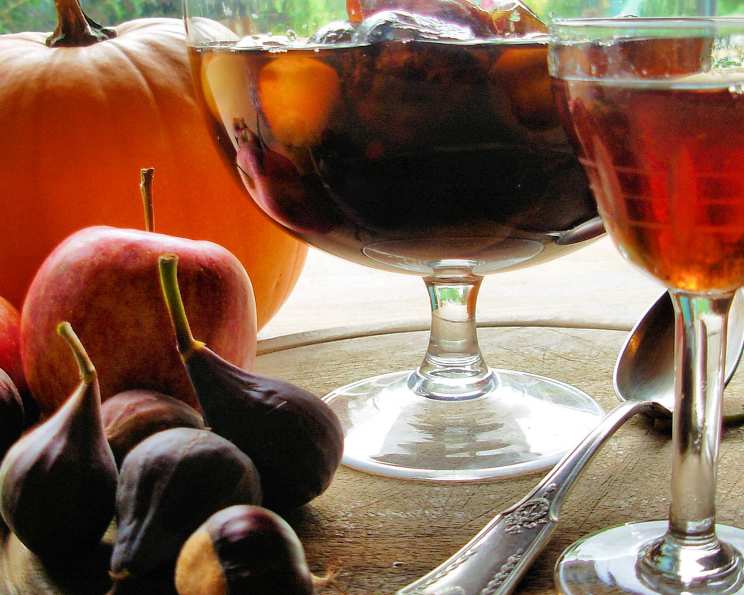
Rumtopf: Capturing Summer in a Jar
The memory is vivid: the weighty ceramic pot, a kraut-green behemoth, dominating my Oma’s kitchen counter. Each visit during summer was marked by the slow, deliberate addition of new fruits – sun-ripened strawberries, plump cherries, juicy plums – all nestled under a blanket of sugar and potent German rum. As a child, I was forbidden to taste it until Christmas, the anticipation building with each passing week, the heady aroma a promise of the holidays to come. Rumtopf, or “rum pot,” wasn’t just a dessert; it was a family ritual, a tangible representation of summer’s bounty carefully preserved for winter’s cheer.
Recipe Overview
- Prep Time: 1 hour 15 minutes (plus ongoing addition time)
- Cook Time: 0 minutes
- Total Time: 6 weeks minimum (plus ongoing addition time)
- Servings: 10-20 (Yield Varies)
- Yield: 1 large jar
- Dietary Type: Not Applicable (Contains Alcohol)
Ingredients
- 2 lbs fruit (strawberries, plums, cherries, peaches, pears, raspberries, currants, blueberries, gooseberries, etc.)
- 1 lb sugar
- 3 cups rum (54% alcohol by volume)
Equipment Needed
- Large ceramic or glass jar with a wide opening (Rumtopf)
- Kitchen scale
- Knife
- Cutting board
- Measuring cups
Instructions
-
The traditional Rumtopf method is a journey that begins with the first ripe fruits of the season and culminates with the last, often pears, in late autumn. Remember the general rule: for every two parts fruit, you need one part sugar, and enough rum to completely cover the fruit.
-
Begin by carefully washing the first batch of fruit. Gently pat them dry with a clean towel. If necessary, cut the fruit into bite-sized pieces, removing any pits or stems. It’s important to remove the stems of cherries but leave the pits in. The pits help keep the cherries’ shape.
-
Weigh the prepared fruit to determine the appropriate amount of sugar. In a bowl, combine the fruit with half its weight in sugar. Gently mix the fruit and sugar together, ensuring the sugar is evenly distributed.
-
Let the fruit and sugar stand for about one hour, allowing the sugar to draw out some of the fruit’s juices. This creates a syrupy base for the Rumtopf.
-
Carefully transfer the fruit and sugar mixture into your clean Rumtopf jar.
-
Pour in enough rum to completely cover the fruit. A good rule of thumb is to ensure the rum covers the fruit by about a fingerbreadth (approximately 1 centimeter).
-
Close the Rumtopf with a lid or a plate secured with a rubber band. Store it in a cool, dark place, such as a cellar or a pantry.
-
Repeat these steps as other fruits ripen throughout the season. With each new batch, wash, dry, cut, weigh, and mix the fruit with half its weight in sugar. Add the fruit to the Rumtopf, ensuring it is submerged in rum. Always top up the rum as needed to maintain the “fingerbreadth” coverage.
-
Continue adding fruit, sugar, and rum until the Rumtopf is nearly full or the fresh fruit season comes to an end.
-
Once you’ve added the last layer of fruit, sugar, and rum, let the Rumtopf stand, undisturbed, in a cool, dark place for at least six weeks. Longer aging (even several months) will further enhance the flavors.
-
For a 1-step preparation: If you wish to make a Rumtopf outside of the traditional seasonal method, you can use a mixture of different fresh and ripe fruits available at any time of year. Prepare the fruit as described above, combining them in the Rumtopf all at once. Cover the fruit completely with rum and let it stand for at least six weeks before enjoying.
-
Important Notes: The Rumtopf must always be stored in a cool place. Ensure the fruit is always completely covered with rum to prevent mold growth.
Expert Tips & Tricks
- Fruit Selection: While you can use almost any fruit, a mix of stone fruits (plums, peaches, nectarines, cherries) and berries (strawberries, gooseberries, cranberries) creates a complex and interesting flavor profile. Figs, apples, and pears are also excellent additions.
- Fruit Firmness: Choose fruits that are firm enough to hold their shape during the long maceration process. Overripe or mushy fruits will disintegrate and cloud the Rumtopf.
- Rum Quality: The quality of the rum will significantly impact the final flavor. Opt for a good-quality, high-proof (54% ABV is traditional) golden or amber rum. White rum can also be used, but it will impart a less complex flavor.
- Preventing Mold: The most important thing is to keep the fruit submerged in rum. If you notice any mold forming on the surface, immediately discard the entire batch. A clean jar and high-proof rum are your best defenses. You can also place a clean plate or a sterilized glass weight on top of the fruit to keep it submerged.
- Sugar Adjustment: While the 2:1 fruit-to-sugar ratio is traditional, you can adjust the amount of sugar to your liking. If you prefer a less sweet Rumtopf, start with slightly less sugar and taste after the initial maceration period.
- Sterilizing the Jar: To help prevent mold and ensure a long shelf life, sterilize the Rumtopf jar before you begin. Wash it thoroughly with hot, soapy water, then place it in a preheated oven at 250°F (120°C) for 15 minutes. Let it cool completely before using.
Serving & Storage Suggestions
Rumtopf is traditionally served during the Christmas season, spooned over vanilla ice cream, pound cake, or enjoyed on its own as a digestif. The rum-soaked fruit is intensely flavorful and potent, so a little goes a long way.
To store Rumtopf, keep it in its original jar in a cool, dark place. Properly stored, it can last for several years, with the flavors mellowing and deepening over time. The alcohol content preserves the fruit. There’s no need to refrigerate or freeze Rumtopf.
Nutritional Information
Note: Nutritional information is approximate and will vary depending on the types and amounts of fruit used.
| Nutrient | Amount per Serving (approximate) | % Daily Value (approximate) |
|---|---|---|
| Calories | 350 kcal | 18% |
| Total Fat | 0g | 0% |
| Saturated Fat | 0g | 0% |
| Cholesterol | 0mg | 0% |
| Sodium | 1mg | 0% |
| Total Carbohydrate | 50g | 17% |
| Dietary Fiber | 2g | 7% |
| Sugars | 45g | N/A |
| Protein | 0g | 0% |
Variations & Substitutions
- Spice Infusion: Add a few whole spices, such as cinnamon sticks, star anise, or cloves, to the Rumtopf for added warmth and complexity.
- Liqueur Base: Experiment with different liqueurs instead of rum. Brandy, cognac, or even a fruit liqueur like Kirschwasser can be used.
- Non-Alcoholic Version: While not traditional, you can create a non-alcoholic version using a high-quality fruit juice, such as grape juice or apple juice, instead of rum. However, this version will not have the same preserving properties and will need to be stored in the refrigerator and consumed within a few weeks.
- Regional Fruit: Adapt the recipe to feature locally available fruits. In some regions, berries might be more plentiful, while in others, stone fruits or apples might be the star.
FAQs (Frequently Asked Questions)
Q: Can I use frozen fruit in Rumtopf?
A: While fresh fruit is preferred for its texture and flavor, you can use frozen fruit if necessary. Thaw the fruit completely and drain off any excess liquid before adding it to the Rumtopf.
Q: What if I don’t have a traditional Rumtopf jar?
A: Any large, food-grade ceramic or glass jar with a wide opening will work. Just make sure it has a tight-fitting lid or can be sealed securely.
Q: How do I know when the Rumtopf is ready to eat?
A: The Rumtopf is ready to eat after at least six weeks of maceration, but the flavor will continue to improve with longer aging. Taste a small spoonful of the fruit and rum to determine if it’s to your liking.
Q: Can I add more sugar to the Rumtopf if it’s not sweet enough?
A: Yes, you can add more sugar if needed. Dissolve the sugar in a small amount of rum before adding it to the Rumtopf to ensure it dissolves evenly.
Q: Is it safe to eat the fruit in the Rumtopf?
A: Yes, the fruit is safe to eat, as it has been preserved in high-proof rum. However, be aware that the fruit will be very potent and high in alcohol.
Final Thoughts
Making Rumtopf is more than just following a recipe; it’s about embracing a tradition, capturing the essence of summer, and creating something truly special to share with loved ones. Don’t be afraid to experiment with different fruits and flavors to create your own unique Rumtopf. Whether you follow the traditional method or opt for the 1-step preparation, the end result is a delicious and intoxicating treat that will bring a touch of warmth and cheer to any occasion. Gather your favorite fruits, pour a generous amount of rum, and embark on this delightful culinary adventure. I can’t wait to hear about your Rumtopf creations!