
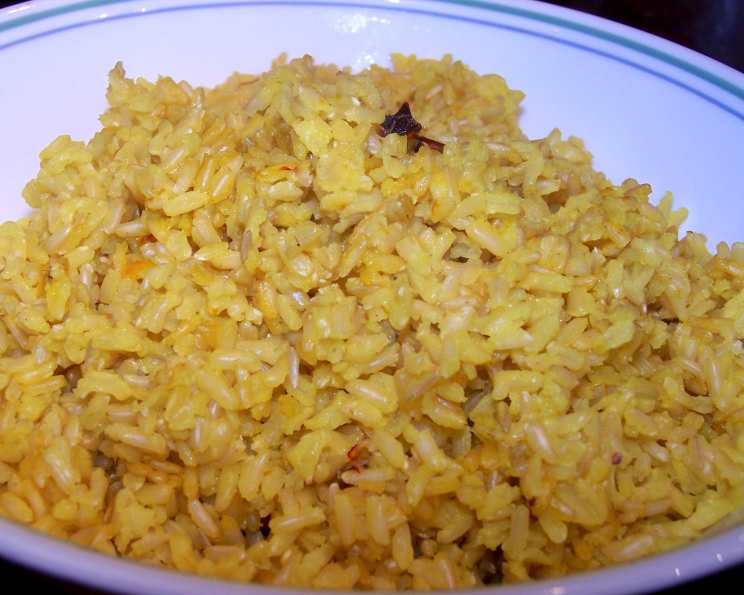
The Golden Standard: Saffron Basmati Rice
The scent of saffron always takes me back to my grandmother’s kitchen. She wasn’t one for overly complicated dishes, but her saffron rice was legendary. It wasn’t just the delicate aroma or the vibrant color; it was the way the subtle floral notes danced on your tongue, transforming a simple grain into something truly special. I remember watching her carefully crush the saffron threads with a mortar and pestle, a ritual performed with such reverence that even as a child, I understood this wasn’t just cooking – it was alchemy.
Recipe Overview
- Prep Time: 5 minutes
- Cook Time: 20 minutes
- Total Time: 25 minutes
- Servings: 10
- Dietary Type: Gluten-Free
Ingredients
- 5 cups water
- 1 1/2 teaspoons salt
- 1/8 teaspoon saffron threads
- 6 whole cloves
- 3 cups white basmati rice
Equipment Needed
- Large sauté pan with a lid
Instructions
-
In a large sauté pan, combine the water, salt, saffron threads, and whole cloves. Bring the mixture to a vigorous boil over high heat. The saffron will begin to release its vibrant color and aroma into the water.
-
Once boiling, carefully add the basmati rice. Ensure the rice is evenly distributed in the pan.
-
Immediately cover the pan tightly with a lid. Reduce the heat to the lowest possible simmer setting.
-
Allow the rice to simmer undisturbed for 15 minutes. It’s crucial to resist the temptation to lift the lid during this time, as this will release steam and affect the cooking process.
-
After 15 minutes, remove the pan from the heat. Keep the lid on and let the rice stand undisturbed for an additional 5 minutes. This allows the residual steam to finish cooking the rice, resulting in perfectly fluffy grains.
-
After the 5-minute resting period, remove the lid and discard the whole cloves. Fluff the rice gently with a fork before serving. This helps to separate the grains and prevent clumping.
Expert Tips & Tricks
- Saffron Power: For a more intense saffron flavor and color, gently toast the saffron threads in a dry pan over low heat for about 30 seconds before crushing them. Be careful not to burn them, as this will make them bitter.
- Rice Rinse: Rinsing the basmati rice under cold water before cooking helps to remove excess starch, resulting in fluffier, less sticky rice. Rinse until the water runs clear.
- Water Ratio: The water-to-rice ratio is crucial for perfectly cooked basmati. This recipe uses a ratio of 1.67:1 (water to rice), which works well for most brands of basmati. However, you may need to adjust the ratio slightly depending on the specific brand and age of your rice.
- Even Cooking: Ensure your sauté pan has a heavy bottom for even heat distribution. This will prevent scorching and ensure the rice cooks evenly.
- Leftover Rescue: If your rice turns out too wet, simply spread it out on a baking sheet and bake in a low oven (around 250°F or 120°C) for a few minutes to dry it out. If it’s too dry, add a tablespoon or two of water and cover the pan for a few minutes to steam it.
Serving & Storage Suggestions
Saffron basmati rice is incredibly versatile and pairs well with a wide variety of dishes. Serve it alongside grilled meats, roasted vegetables, or flavorful curries. It’s also delicious as a base for grain bowls or as a side dish for elegant dinner parties.
To store leftover saffron basmati rice, allow it to cool completely before transferring it to an airtight container. It can be stored in the refrigerator for up to 4 days. To reheat, simply microwave it with a tablespoon of water or broth, or steam it on the stovetop until heated through.
For longer storage, you can freeze the rice in an airtight container for up to 2 months. Thaw it in the refrigerator overnight before reheating. Frozen rice may be slightly drier than fresh rice, so you may need to add a little extra liquid when reheating.
Nutritional Information
| Nutrient | Amount per Serving | % Daily Value |
|---|---|---|
| Calories | 205.4 kcal | N/A |
| Calories from Fat | 14 g | 7% |
| Total Fat | 1.6 g | 2% |
| Saturated Fat | 0.3 g | 1% |
| Cholesterol | 0 mg | 0% |
| Sodium | 355.1 mg | 14% |
| Total Carbohydrate | 42.9 g | 14% |
| Dietary Fiber | 1.9 g | 7% |
| Sugars | 0.5 g | 1% |
| Protein | 4.4 g | 8% |
Variations & Substitutions
- Vegan Delight: This recipe is naturally vegan!
- Broth Boost: For an extra layer of flavor, substitute the water with vegetable broth or chicken broth.
- Spice It Up: Add a pinch of cardamom or a cinnamon stick to the cooking water for a warm, aromatic twist.
- Nutty Nuance: Stir in toasted slivered almonds or pistachios after cooking for added texture and flavor.
- Herbaceous Harmony: Garnish with fresh herbs like parsley, cilantro, or mint before serving.
- Golden Turmeric: Add a pinch of turmeric powder along with the saffron for a deeper golden color and earthy flavor. This is a great way to enhance the visual appeal if your saffron is less potent.
FAQs (Frequently Asked Questions)
Q: Can I use brown basmati rice instead of white?
A: Yes, you can, but you’ll need to adjust the cooking time. Brown basmati rice typically takes longer to cook than white basmati rice. Increase the simmering time to around 45 minutes and check for doneness.
Q: My rice is always mushy. What am I doing wrong?
A: Overcooking or using too much water are the most common causes of mushy rice. Be sure to measure the water accurately and avoid lifting the lid during the simmering process. Rinsing the rice before cooking can also help.
Q: How can I tell if the rice is cooked properly?
A: The rice is done when all the water has been absorbed and the grains are tender and fluffy. You should be able to easily separate the grains with a fork. If there’s still water in the pan, continue simmering for a few more minutes.
Q: Can I make this recipe in a rice cooker?
A: Yes, you can. Simply combine all the ingredients in your rice cooker and follow the manufacturer’s instructions for cooking white rice.
Q: Is saffron really necessary for this recipe?
A: While you can make rice without saffron, it’s the key ingredient that gives this dish its distinctive flavor, aroma, and color. If you don’t have saffron, you can try using turmeric for color, but it won’t replicate the unique taste of saffron.
Final Thoughts
I urge you to try this simple yet elegant saffron basmati rice. It’s a dish that’s equally perfect for a weeknight dinner or a special occasion. The subtle floral notes of saffron elevate the humble grain to something truly extraordinary. Don’t be intimidated by saffron; a little goes a long way, and the results are well worth the investment. Share your creations, experiment with variations, and let the golden magic of saffron transform your kitchen! Serve it with a crisp glass of dry white wine, and enjoy!