
Sakura Sauce: A Taste of Japan in Every Bite
I remember the first time I tasted Sakura Sauce. It was at a small, unassuming restaurant in Kyoto. The chef, a kindly old woman with decades of experience, drizzled it over a perfectly grilled piece of sea bass. The creamy texture, the subtle sweetness, and the hint of umami were unlike anything I’d ever experienced. It was a revelation, a flavor journey that transported me to the heart of Japan. From that moment on, I was determined to learn the secrets of this magical sauce.
Recipe Overview
- Prep Time: 5 minutes
- Cook Time: 4 minutes
- Total Time: 9 minutes
- Servings: 4-6
- Yield: About 1.5 cups
- Dietary Type: Not specified (contains egg)
Ingredients
- 3 egg yolks
- 1 whole egg
- 1 quart vegetable oil
- 1 tablespoon white pepper
- 1 tablespoon salt
- 5 tablespoons soy sauce
- Cooking wine (Sake or dry sherry)
Equipment Needed
- Medium bowl
- Hand-held blender
- Measuring spoons
- Measuring cups
Instructions
-
In a medium bowl, combine the 3 egg yolks, whole egg, and a small amount of vegetable oil.
-
Begin mixing with a hand-held blender. This step is crucial; add the remaining oil very slowly, a drizzle at a time. If you add too much oil at once, the mixture will separate, resulting in a broken sauce that won’t achieve the desired creamy consistency.
-
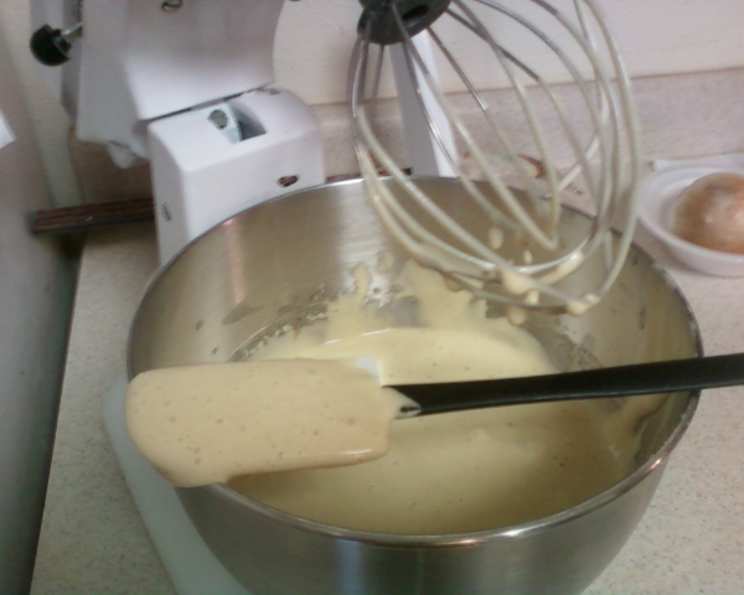
Continue blending until the mixture reaches a mayonnaise-like consistency—smooth, emulsified, and thick. This indicates that the oil and egg mixture has properly combined.
-
Once the base is emulsified, add the white pepper, salt, and soy sauce.
-
Continue mixing with the hand-held blender until all the ingredients are thoroughly combined and the sauce is well blended.
-
This Sakura Sauce is traditionally paired with seafood or chicken. During the final stages of cooking your protein of choice, cover it generously with the Sakura Sauce. The residual heat will gently warm the sauce, infusing it with the flavors of the dish.
-
Sprinkle cooking wine (Sake or dry sherry) around the food. The wine’s steam helps cook the sauce on top of the protein.
-
Simmer for 3 to 4 minutes, allowing the alcohol in the wine to evaporate and the sauce to fully meld with the dish.
-
Serve immediately.
Expert Tips & Tricks
- Oil Temperature: Ensure your vegetable oil is at room temperature for optimal emulsification. Cold oil can hinder the blending process.
- Patience is Key: The slow addition of oil is the most critical step. Rushing this process will almost certainly lead to a separated sauce.
- Consistency Check: If the sauce becomes too thick, add a teaspoon of water or a few drops of lemon juice to thin it out.
- Flavor Boost: For a deeper umami flavor, consider adding a tiny pinch of MSG or a few drops of dashi stock to the sauce.
- Salt Adjustment: Soy sauce brands vary in saltiness. Taste the sauce and adjust the amount of salt accordingly.
Serving & Storage Suggestions
Sakura Sauce is best served immediately after cooking. Its creamy texture and delicate flavor are most enjoyable when fresh. To serve, drizzle the sauce generously over your cooked seafood or chicken. Garnish with fresh herbs like chopped chives or parsley for added visual appeal.
If you have leftovers, store them in an airtight container in the refrigerator. It’s best to consume the sauce within 2-3 days, as the emulsion may start to break down over time. Reheating is not recommended, as it can further compromise the texture. Use the leftover sauce as a cold dipping sauce or salad dressing.
Nutritional Information
| Nutrient | Amount per Serving (estimated) | % Daily Value (approximate) |
|---|---|---|
| Calories | 500 kcal | 25% |
| Total Fat | 55g | 85% |
| Saturated Fat | 8g | 40% |
| Cholesterol | 100mg | 33% |
| Sodium | 700mg | 30% |
| Total Carbohydrate | 1g | 0% |
| Dietary Fiber | 0g | 0% |
| Sugars | 0g | 0% |
| Protein | 3g | 6% |
Note: Nutritional information is an estimate and may vary based on specific ingredients and serving size.
Variations & Substitutions
- Spicy Sakura Sauce: Add a pinch of cayenne pepper or a few drops of chili oil for a spicy kick.
- Citrus Sakura Sauce: Incorporate the zest and juice of a lemon or lime for a bright, citrusy flavor.
- Herbaceous Sakura Sauce: Blend in fresh herbs like dill, tarragon, or basil for an aromatic twist.
- Garlic Sakura Sauce: Add a clove of minced garlic to the mixture for a savory depth.
- Vegan Sakura Sauce: While this recipe contains egg, a vegan alternative can be created using silken tofu, vegan mayonnaise, and a touch of nutritional yeast for a similar creamy texture and umami flavor. Be sure to adjust the seasoning accordingly.
FAQs (Frequently Asked Questions)
Q: Why is it important to add the oil slowly?
A: Adding the oil slowly is essential for creating a stable emulsion. If too much oil is added at once, the egg yolks won’t be able to bind with it properly, resulting in a separated sauce.
Q: What if my sauce separates?
A: If your sauce separates, try whisking another egg yolk in a clean bowl and slowly drizzling the broken sauce into it, as if you were starting the emulsification process again. This might help bring it back together.
Q: Can I use a regular blender instead of a hand-held blender?
A: While a regular blender can be used, a hand-held blender gives you more control and is less likely to overheat the sauce during the emulsification process.
Q: What kind of cooking wine should I use?
A: Sake is the traditional choice, but dry sherry or even a dry white wine can be used as a substitute. Choose a wine that you would enjoy drinking, as its flavor will subtly influence the sauce.
Q: Can I make this sauce ahead of time?
A: While it’s best served fresh, you can make the sauce a few hours in advance and store it in the refrigerator. Just be sure to whisk it well before serving to re-emulsify it if necessary.
Final Thoughts
Sakura Sauce is more than just a condiment; it’s an experience. Its creamy texture, delicate flavor, and subtle umami notes elevate any dish it graces. Don’t be intimidated by the emulsification process; with a little patience and attention to detail, you can easily recreate this Japanese classic in your own kitchen. So, go ahead, embrace the challenge, and discover the magic of Sakura Sauce. I encourage you to experiment with different variations and share your culinary creations with friends and family. Perhaps pair it with a crisp Sauvignon Blanc to complement the flavors of the sea. Enjoy!