
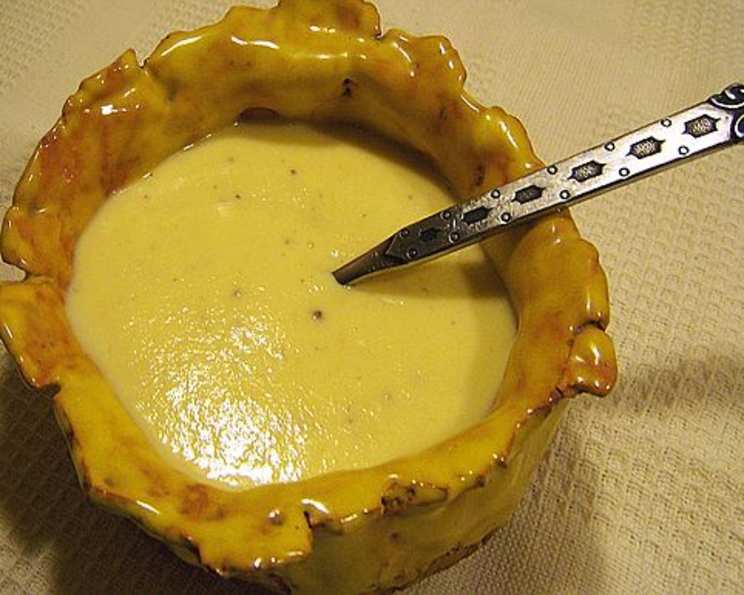
The Nostalgic Charm of Homemade Salad Cream
My grandmother, a woman of impeccable taste and even more impeccable kitchen skills, always had a jar of her homemade salad cream nestled in the fridge door. It wasn’t just a condiment; it was a staple, a secret ingredient that elevated even the simplest lettuce and tomato salad into something special. I remember sneaking spoonfuls of it as a child, the tangy sweetness a delightful forbidden treat. It was creamy, tart, and infinitely better than anything you could buy in a store. This recipe brings back all those warm, sunny memories, and I’m thrilled to share it with you.
Recipe Overview
- Prep Time: 10 minutes
- Cook Time: 15 minutes
- Total Time: 25 minutes
- Yields: 1-2 Bottles
- Dietary Type: Vegetarian
Ingredients
- ¾ cup milk
- ½ cup white wine vinegar
- 2 tablespoons sugar
- 1 tablespoon French mustard
- 125 g butter
- 4 medium eggs
- ¼ teaspoon salt
- Fresh ground white pepper, to taste
Equipment Needed
- Saucepan
- Whisk
- Sterilized jars or bottles
Instructions
- In a saucepan, combine all ingredients: milk, white wine vinegar, sugar, French mustard, butter, eggs, salt, and freshly ground white pepper (to your preferred taste).
- Using a whisk, thoroughly blend the ingredients together until the mixture is uniform and smooth. Make sure there are no lumps, especially from the eggs or mustard.
- Place the saucepan over gentle heat. It’s crucial to use low heat to prevent the eggs from scrambling and ruining the texture of the cream.
- Continuously whisk the mixture as it heats. Do not stop whisking, as this is key to achieving a smooth and creamy consistency.
- Continue heating and whisking until the mixture begins to thicken. This usually takes around 10-15 minutes. The cream should be thick enough to coat the back of a spoon.
- Remove the saucepan from the heat.
- Immediately pour the hot salad cream into sterilized jars or bottles. This helps to preserve the cream and prevent spoilage. Ensure the jars are properly sealed.
- Let the jars cool before placing them in the fridge.
Expert Tips & Tricks
- Temperature is key: Keep the heat low throughout the cooking process. High heat will cause the eggs to curdle, resulting in a lumpy salad cream. If you notice the mixture starting to curdle, immediately remove it from the heat and whisk vigorously.
- Constant whisking is crucial: This prevents the eggs from cooking unevenly and ensures a smooth, emulsified sauce.
- Sterilizing jars: Sterilize your jars properly to extend the shelf life of your salad cream. You can do this by boiling them in water for 10 minutes or running them through a hot dishwasher cycle.
- Achieving the right consistency: The salad cream should be thick enough to coat the back of a spoon but still pourable. If it’s too thin, continue cooking it over low heat, whisking constantly, until it thickens. If it becomes too thick, you can whisk in a little more milk.
- Flavor adjustment: Taste the salad cream after it has thickened and adjust the seasoning as needed. You may want to add a little more sugar for sweetness or vinegar for tanginess, depending on your preference.
Serving & Storage Suggestions
Serve your homemade salad cream chilled, straight from the refrigerator. It’s a wonderful accompaniment to salads, sandwiches, and even as a dipping sauce for vegetables. It’s especially delicious with hard-boiled eggs, potato salad, and coleslaw.
Once opened, store the salad cream in the refrigerator. Because this is a homemade product without added preservatives, it’s best consumed within 1-2 weeks for optimal freshness and flavor. While it may last longer, the quality will gradually deteriorate. Do not freeze salad cream, as this can affect its texture.
Nutritional Information
Please note that the following is an estimate, and actual values may vary depending on specific ingredient brands and measurements.
| Nutrient | Amount per Serving (approx. 2 tbsp) | % Daily Value* |
|---|---|---|
| Calories | 150 kcal | 8% |
| Total Fat | 12g | 18% |
| Saturated Fat | 7g | 35% |
| Cholesterol | 120mg | 40% |
| Sodium | 100mg | 4% |
| Total Carbohydrate | 5g | 2% |
| Dietary Fiber | 0g | 0% |
| Sugars | 4g | |
| Protein | 2g | 4% |
*Percent Daily Values are based on a 2,000 calorie diet.
Variations & Substitutions
- Spicy Kick: Add a pinch of cayenne pepper or a dash of hot sauce for a spicy version.
- Herb Infusion: Stir in finely chopped fresh herbs like dill, parsley, or chives for added flavor and freshness. This works particularly well with seafood salads.
- Garlic Infusion: Add some roasted and pureed garlic cloves to the mix.
- Vegan option: While this recipe relies on dairy and eggs, you can experiment with plant-based alternatives. Use a high-fat plant based milk and a cornstarch slurry for thickening. This will change the flavor profile but allow you to enjoy a similar creamy texture.
- Tartar Sauce Variation: For a tartar sauce-inspired salad cream, add chopped capers, gherkins, parsley, tarragon, and chervil. This is a classic pairing with fish.
- Curry Cream: Stir in a teaspoon of curry powder for an exotic twist.
- Tomato Cream: Add a tablespoon of tomato paste for a richer flavor and color.
- Anchovy Cream: Mix in a small amount of anchovy sauce for a salty, umami-rich taste.
FAQs (Frequently Asked Questions)
Q: Why is my salad cream lumpy?
A: Lumpy salad cream is usually caused by the eggs scrambling due to high heat. Be sure to cook the mixture over low heat and whisk constantly to prevent this. If it does happen, try whisking vigorously off the heat to smooth it out.
Q: How long does homemade salad cream last?
A: Homemade salad cream will typically last for 1-2 weeks in the refrigerator, provided it’s stored in a sterilized jar. Since it doesn’t contain preservatives, it’s best to consume it within this time frame for optimal quality.
Q: Can I freeze salad cream?
A: Freezing is not recommended, as it can change the texture of the salad cream, making it watery and grainy.
Q: Can I use a different type of vinegar?
A: While white wine vinegar is recommended for its mild flavor, you can experiment with other types of vinegar, such as apple cider vinegar or white vinegar. Keep in mind that different vinegars will impart different flavors to the salad cream.
Q: What if my salad cream is too thick?
A: If your salad cream becomes too thick, simply whisk in a little more milk until it reaches your desired consistency.
Final Thoughts
There’s something truly special about recreating a recipe from your past, and this homemade salad cream is no exception. It’s a taste of nostalgia, a connection to simpler times, and a reminder that the best flavors are often the ones made with love and care. I encourage you to give this recipe a try and experience the joy of creating your own delicious salad cream. Don’t hesitate to experiment with variations and find your perfect flavor combination. Whether you’re serving it with a classic salad, a hearty sandwich, or as a dipping sauce, I hope this recipe brings as much joy to your table as it has to mine. Enjoy!