
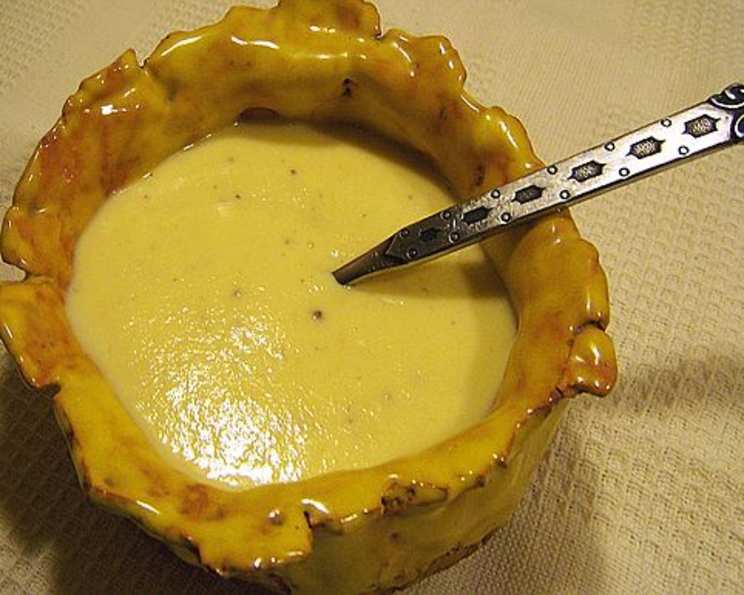
From Nostalgia to Now: Reclaiming the Magic of Homemade Salad Cream
Like many, my first encounter with salad cream was a childhood affair, a somewhat dubious yellow concoction dolloped liberally onto summer salads by my well-meaning but culinarily-challenged uncle. I wrinkled my nose then, preferring the simplicity of just lettuce and tomato. But flavors, like memories, have a funny way of resurfacing. Years later, driven by a craving for something familiar yet indefinable, I stumbled upon my grandmother’s handwritten recipe card for homemade salad cream. Suddenly, that childhood aversion transformed into a quest to recreate – and elevate – this classic condiment. The result? A revelation. This isn’t your supermarket salad cream; this is sunshine in a jar, ready to transform even the simplest salad into something special.
Recipe Overview
- Prep Time: 5 minutes
- Cook Time: 20 minutes
- Total Time: 25 minutes
- Yields: 1-2 Bottles
- Dietary Type: Vegetarian
Ingredients
- ¾ cup milk
- ½ cup white wine vinegar
- 2 tablespoons sugar
- 1 tablespoon French mustard
- 125 g butter
- 4 medium eggs
- ¼ teaspoon salt
- Fresh ground white pepper, to taste
Equipment Needed
- Saucepan
- Whisk
- Sterilized jars or bottles
Instructions
-
In a saucepan, combine the milk, white wine vinegar, sugar, French mustard, butter, eggs, salt, and freshly ground white pepper (to taste).
-
Using a whisk, thoroughly blend all the ingredients together until the mixture is smooth and homogenous. Ensure there are no lumps of butter or egg.
-
Place the saucepan over low heat. It’s crucial to keep the heat low to prevent the eggs from scrambling.
-
Continuously whisk the mixture as it heats. Do not stop whisking, as this will ensure even cooking and prevent sticking.
-
Continue to heat and whisk gently until the mixture begins to thicken. This process should take approximately 20 minutes. The cream is ready when it coats the back of a spoon and leaves a clear line when you run your finger through it.
-
Once thickened, immediately pour the hot salad cream into hot, sterilized jars or bottles. Ensure the jars are sterilized to prevent bacterial growth and extend the shelf life of your homemade salad cream. To sterilize, you can boil the jars in water for 10 minutes or bake them in the oven at 250°F (120°C) for 20 minutes.
-
Immediately seal the jars or bottles tightly. As the cream cools, the lids should create a vacuum seal.
Expert Tips & Tricks
- Low and Slow is Key: Patience is your friend here. Cooking the salad cream over low heat is essential to prevent curdling and ensure a smooth, creamy texture.
- Whisking Technique: Consistent whisking is vital. Use a figure-eight motion to reach all areas of the pan and prevent the mixture from sticking or burning.
- Sterilization is Crucial: Properly sterilized jars are non-negotiable for preserving the salad cream. This prevents spoilage and ensures a safe and delicious product.
- Adjust the Sweetness and Tang: Feel free to adjust the amount of sugar and vinegar to suit your personal taste preferences. Some prefer a tangier salad cream, while others prefer a sweeter one.
- Troubleshooting: If your salad cream appears curdled, remove it from the heat immediately and whisk vigorously. Adding a tablespoon of cold milk can sometimes help to bring it back together.
Serving & Storage Suggestions
Homemade salad cream is incredibly versatile. Use it on salads, sandwiches, or as a dipping sauce for vegetables and fries.
-
Serving Suggestions:
- Drizzle over a classic lettuce and tomato salad.
- Use as a spread for egg salad sandwiches.
- Serve as a dipping sauce for crudités or chips.
- Add a dollop to jacket potatoes.
- Use as a base for homemade coleslaw.
-
Storage: Once opened, always store the salad cream in the refrigerator. Homemade salad cream typically lasts for up to 2 weeks in the refrigerator. Due to the fresh ingredients and lack of preservatives, it’s best to use it within this timeframe for optimal flavor and quality. I don’t recommend freezing the cream, as this can alter the texture.
Nutritional Information
Note: Nutritional information is an estimate and may vary based on specific ingredients used.
| Nutrient | Amount per Serving | % Daily Value* |
|---|---|---|
| Calories | 150 kcal | 8% |
| Total Fat | 12g | 18% |
| Saturated Fat | 7g | 35% |
| Cholesterol | 120mg | 40% |
| Sodium | 150mg | 6% |
| Total Carbohydrate | 5g | 2% |
| Dietary Fiber | 0g | 0% |
| Sugars | 4g | 8% |
| Protein | 3g | 6% |
| *Percent Daily Values are based on a 2000 calorie diet. |
Variations & Substitutions
Unleash your creativity and customize your salad cream with these variations:
- Tomato Salad Cream: Add 2 tablespoons of tomato paste to the mixture during cooking for a vibrant, tangy twist.
- Anchovy Salad Cream: Add 1 teaspoon of anchovy sauce (or finely chopped anchovies) for a savory, umami-rich flavor.
- Curry Salad Cream: Incorporate ½ teaspoon of curry powder for a hint of spice and exotic flavor.
- Tartar Cream: After the salad cream has cooled, stir in 2 tablespoons of finely chopped capers, gherkins, parsley, tarragon, and chervil. This creates a delightful tartar-style cream, perfect for serving with fish.
- Herbaceous Salad Cream: Add finely chopped fresh herbs that complement your meal. Tarragon pairs beautifully with chicken, while basil is a natural match for pasta dishes.
- Spicy Kick: Add a pinch of cayenne pepper or a dash of your favorite hot sauce for a touch of heat.
FAQs (Frequently Asked Questions)
Q: Can I use a different type of vinegar?
A: While white wine vinegar is recommended for its subtle flavor, you can substitute it with apple cider vinegar or even distilled white vinegar. Be aware that the flavor will be slightly different.
Q: My salad cream is too thick. What can I do?
A: Whisk in a tablespoon or two of milk until you reach your desired consistency.
Q: How do I know when the salad cream is cooked enough?
A: The salad cream is ready when it coats the back of a spoon and a line drawn through it with your finger holds its shape. It should also be noticeably thicker than when you started.
Q: Can I make this recipe dairy-free?
A: Unfortunately, this recipe relies on the properties of dairy milk and butter for its characteristic texture and flavor. It is difficult to substitute these ingredients and still achieve the desired result.
Q: Why is it important to sterilize the jars?
A: Sterilizing the jars kills any bacteria or mold that may be present, preventing spoilage and extending the shelf life of your homemade salad cream.
Final Thoughts
This homemade salad cream is more than just a condiment; it’s a journey back to simpler times, a testament to the power of homemade goodness. Don’t be intimidated by the process; it’s surprisingly easy and incredibly rewarding. So, gather your ingredients, dust off your whisk, and prepare to be amazed by the vibrant flavors and creamy texture of this classic recipe, reimagined for the modern palate. I encourage you to try this recipe and experiment with the variations to create your own signature salad cream. Enjoy!