
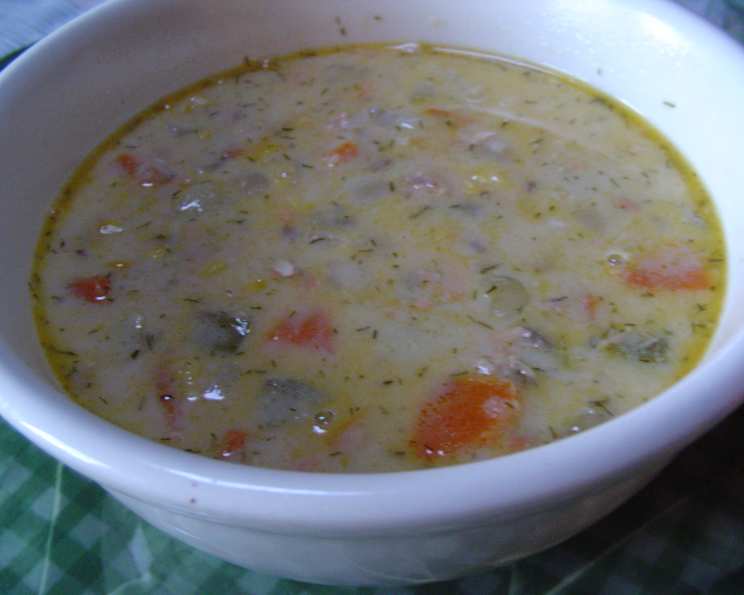
Creamy, Comforting Salmon Chowder: A Taste of the Pacific Northwest
The first time I tasted salmon chowder, I was huddled around a crackling bonfire on a misty beach in Oregon. The air smelled of salt and woodsmoke, and the chowder, served in a chipped enamel mug, was a revelation. The creamy broth, studded with tender potatoes and chunks of succulent salmon, warmed me from the inside out. It wasn’t just a meal; it was an experience, a connection to the wild beauty of the Pacific Northwest. That memory, that taste, is what I try to recreate every time I make this chowder.
Recipe Overview
- Prep Time: 15 minutes
- Cook Time: 30 minutes
- Total Time: 45 minutes
- Servings: 8
- Yield: 8 bowls
- Dietary Type: Pescatarian
Ingredients
- 3 tablespoons butter
- ¾ cup chopped onion
- ½ cup chopped celery
- 1 teaspoon garlic powder
- 2 cups diced potatoes
- 2 carrots, diced
- 2 cups chicken broth or 2 cups low-sodium chicken bouillon
- 1 teaspoon salt
- 1 teaspoon ground pepper
- 1 teaspoon dried dill weed
- 1 (16 ounce) can salmon, skin and bones removed
- 1 (12 ounce) can evaporated milk
- 1 (15 ounce) can cream-style corn
- ¾ cup shredded American cheese (or cheddar)
Equipment Needed
- Large Pot or Dutch Oven
- Cutting board
- Sharp knife
- Measuring cups and spoons
- Wooden spoon or spatula
Instructions
-
Begin by melting the butter in a large pot or Dutch oven over medium heat. Allowing the butter to fully melt before adding the vegetables ensures even cooking and prevents sticking.
-
Add the chopped onion, celery, and garlic powder to the melted butter. Sauté these aromatics until the onions are tender and translucent, usually about 5-7 minutes. This step is crucial for building a flavorful base for the chowder. Be careful not to burn the garlic; reduce the heat if needed.
-
Stir in the diced potatoes, carrots, chicken broth (or chicken bouillon), salt, pepper, and dried dill weed. Ensure all the vegetables are evenly coated with the broth and seasonings.
-
Bring the mixture to a boil over high heat. Once boiling, immediately reduce the heat to low to medium-low.
-
Cover the pot tightly and simmer for 20 minutes, or until the potatoes and carrots are tender. Check the vegetables periodically to ensure they aren’t sticking to the bottom of the pot. If the broth is reducing too quickly, add a splash of water or additional chicken broth.
-
Gently stir in the salmon (make sure skin and bones are removed!), evaporated milk, cream-style corn, and shredded American cheese. Be gentle when adding the salmon to avoid breaking it up too much.
-
Cook on low heat, stirring occasionally, until the chowder is heated through and the cheese is completely melted. This should take about 5-10 minutes. Be careful not to boil the chowder at this stage, as the evaporated milk can curdle. Stir consistently to ensure even melting of the cheese. Taste and adjust seasoning if needed, adding more salt or pepper to your preference.
Expert Tips & Tricks
-
Enhance the Salmon Flavor: For an even more pronounced salmon flavor, consider using smoked salmon in addition to canned. About 4 ounces of smoked salmon, flaked and added along with the canned salmon, will add a delightful smoky depth.
-
Thickening the Chowder: If you prefer a thicker chowder, you can create a slurry of cornstarch and cold water (1 tablespoon of cornstarch mixed with 2 tablespoons of water) and stir it into the chowder during the last 5 minutes of cooking.
-
Make-Ahead Magic: The chowder can be made a day in advance. The flavors will meld together beautifully overnight. Store it in an airtight container in the refrigerator.
-
Prevent Curdling: To prevent the evaporated milk from curdling, ensure the heat is on low and do not allow the chowder to boil after adding the dairy.
-
Vegetable Variations: Feel free to add other vegetables like chopped leeks or parsnips for added flavor and texture.
Serving & Storage Suggestions
Serve the Salmon Chowder hot, garnished with a sprinkle of fresh dill, a dollop of sour cream or plain yogurt, or a few oyster crackers on the side. A wedge of crusty bread is also a perfect accompaniment for soaking up the rich, creamy broth.
Storage: Leftover chowder can be stored in an airtight container in the refrigerator for up to 3 days. For longer storage, freeze the chowder in freezer-safe containers for up to 2 months.
Reheating: To reheat, gently warm the chowder in a saucepan over low heat, stirring occasionally, until heated through. Avoid boiling. If frozen, thaw the chowder overnight in the refrigerator before reheating. You may need to add a splash of milk or broth to restore the original consistency after thawing.
Nutritional Information
| Nutrient | Amount per Serving | % Daily Value |
|---|---|---|
| Calories | 259.7 kcal | N/A |
| Calories from Fat | 96 g | 37% |
| Total Fat | 10.7 g | 16% |
| Saturated Fat | 5.3 g | 26% |
| Cholesterol | 49.9 mg | 16% |
| Sodium | 773.5 mg | 32% |
| Total Carbohydrate | 24.3 g | 8% |
| Dietary Fiber | 2.4 g | 9% |
| Sugars | 3.7 g | N/A |
| Protein | 17.9 g | 35% |
Variations & Substitutions
-
Spicy Salmon Chowder: Add a pinch of red pepper flakes or a dash of hot sauce to the chowder for a touch of heat.
-
Dairy-Free Option: Substitute the evaporated milk with coconut milk or another non-dairy milk alternative. Use a dairy-free cheese alternative or omit the cheese altogether.
-
Seafood Medley: Add other seafood like shrimp, crab, or clams for a more complex seafood chowder. Adjust cooking times accordingly.
-
Vegetarian Chowder: For a vegetarian version, omit the salmon and use vegetable broth instead of chicken broth. Add extra vegetables like corn, green beans, or peas.
-
Different Cheeses: Experiment with different cheeses, such as cheddar, Monterey Jack, or pepper jack, for a unique flavor profile.
FAQs (Frequently Asked Questions)
Q: Can I use fresh salmon instead of canned salmon?
A: Yes, you can use fresh salmon. Poach or bake the salmon until cooked through, then flake it and add it to the chowder in place of the canned salmon. Adjust cooking time to ensure the salmon is cooked completely and is flaky.
Q: Can I freeze salmon chowder?
A: Yes, salmon chowder freezes well. Allow the chowder to cool completely before transferring it to freezer-safe containers. Thaw overnight in the refrigerator before reheating.
Q: What can I use instead of evaporated milk?
A: Heavy cream or half-and-half can be used as a substitute for evaporated milk. Coconut milk is also a good non-dairy alternative.
Q: How can I make this chowder thicker?
A: A cornstarch slurry or mashed potatoes can be used to thicken the chowder.
Q: Is it necessary to remove the skin and bones from the canned salmon?
A: While it’s a matter of personal preference, removing the skin and bones will result in a smoother, more enjoyable texture. The bones are edible and a good source of calcium, but some people find them unpleasant.
Final Thoughts
This Salmon Chowder recipe is a versatile and comforting dish that’s perfect for any occasion. Whether you’re looking for a hearty meal on a chilly evening or a taste of the Pacific Northwest, this chowder is sure to satisfy. Don’t be afraid to experiment with different variations and substitutions to make it your own. I encourage you to try this recipe and share your feedback. Pair it with a crisp white wine like Pinot Gris or a refreshing pale ale for a truly memorable dining experience. Enjoy!