
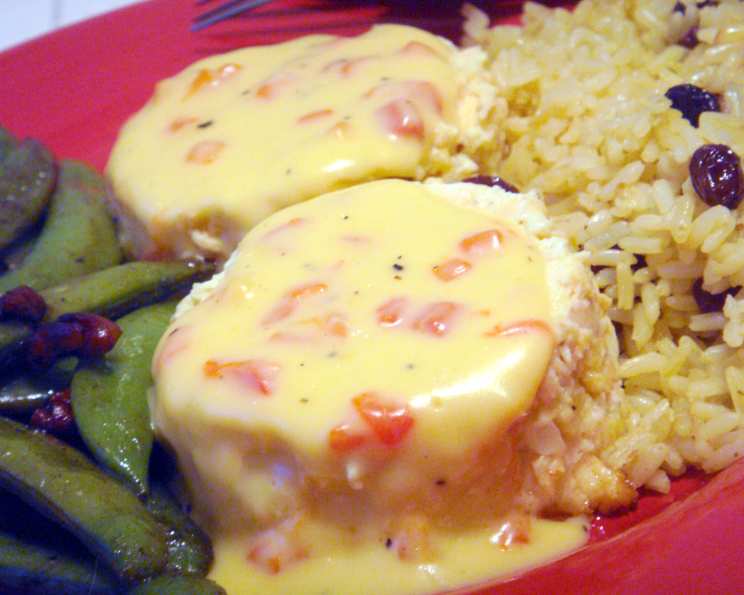
Salmon Cups With Cheese Sauce: A Comforting Classic
The aroma of melted cheese and baked salmon instantly transports me back to my grandmother’s kitchen. She wasn’t a fancy chef, but she had a knack for creating incredibly comforting dishes with simple ingredients. I remember sitting at her kitchen table, eagerly awaiting these salmon cups, the flaky fish nestled in a creamy, cheesy embrace. It was pure, unadulterated comfort food, and even now, decades later, every bite evokes those warm, fuzzy memories. This recipe is my homage to her.
Recipe Overview
Here’s a quick overview of what you can expect:
- Prep Time: 20 minutes
- Cook Time: 30 minutes
- Total Time: 50 minutes
- Servings: 4
- Yield: 4 salmon cups
- Dietary Type: Pescatarian
Ingredients
Here’s what you’ll need to create these delightful salmon cups and their accompanying cheese sauce:
For the Salmon Cups:
- 2/3 cup corn flakes, crushed
- 1/3 cup skim milk
- 2 eggs, slightly beaten
- 3 tablespoons butter, melted
- 2 tablespoons onions, minced
- 1/2 teaspoon garlic salt
- 1/8 teaspoon pepper
- 2 cups canned salmon, drained
For the Cheese Sauce:
- 2 tablespoons butter
- 2 tablespoons flour
- 1 1/4 cups skim milk
- 1/2 cup cheddar cheese, shredded
- 2 ounces pimientos, drained and diced
- 1/2 teaspoon salt
- 1 garlic clove, minced
- 1 dash pepper
Equipment Needed
You’ll need these basic kitchen tools:
- Mixing bowls
- Measuring cups and spoons
- Four 8-ounce custard cups
- 11x7x2 inch baking dish
- Medium saucepan
- Whisk
- Spoon
Instructions
Follow these steps carefully to create perfect Salmon Cups with Cheese Sauce:
-
Preheat your oven to 375 degrees F (190 degrees C). While the oven is preheating, bring a pot of water to a boil – this will be used later for a water bath.
-
In a medium-sized mixing bowl, combine the crushed cornflakes, skim milk, slightly beaten eggs, melted butter, minced onions, garlic salt, and pepper. Mix well to ensure all ingredients are evenly distributed.
-
Add the drained canned salmon to the bowl and gently fold it into the cornflake mixture. Be careful not to overmix, as you want to maintain some texture in the salmon.
-
Divide the salmon mixture into four equal portions.
-
Grease four 8-ounce custard cups thoroughly. This will prevent the salmon cups from sticking and make them easier to remove after baking.
-
Place the greased custard cups in an 11x7x2 inch baking dish.
-
Fill each cup with one portion of the salmon mixture. Gently press down on the mixture with a spoon until it is flattened and evenly distributed within each cup.
-
Carefully pour the boiling water into the baking dish, reaching a depth of approximately 1 inch. This water bath helps to cook the salmon cups evenly and prevents them from drying out.
-
Bake, uncovered, in the preheated oven for 30 minutes, or until a meat thermometer inserted into the center of a salmon cup reads 160 degrees F (71 degrees C). The internal temperature is the most reliable indicator of doneness.
-
While the salmon cups are baking, prepare the cheese sauce. In a medium-sized saucepan, melt the butter over medium heat.
-
Stir in the flour until smooth, creating a roux. Cook for about 1 minute, stirring constantly, to eliminate the raw flour taste.
-
Gradually add the skim milk to the roux, whisking continuously to prevent lumps from forming.
-
Bring the mixture to a boil, then reduce the heat to low and continue to cook and stir for one minute, or until the sauce has thickened.
-
Add the shredded cheddar cheese, diced pimientos, salt, minced garlic clove, and pepper to the saucepan.
-
Cook and stir until the cheese is completely melted and the sauce is smooth and creamy.
-
Once the salmon cups are baked and the cheese sauce is ready, remove the baking dish from the oven. Carefully remove the custard cups from the water bath.
-
To serve, gently invert each salmon cup onto a plate and spoon the warm cheese sauce generously over the top.
Expert Tips & Tricks
-
Cornflake Crumbs: For finer texture, pulse the cornflakes in a food processor instead of crushing by hand.
-
Water Bath Importance: Don’t skip the water bath! It ensures even cooking and prevents the salmon from drying out. If your baking dish is smaller, you can use a larger roasting pan instead.
-
Cheese Sauce Consistency: If the cheese sauce becomes too thick, add a tablespoon or two of milk to thin it out. If it’s too thin, simmer for a minute or two longer, stirring constantly.
-
Flavor Boost: Try adding a pinch of dried dill or smoked paprika to the salmon mixture for an extra layer of flavor.
-
Make-Ahead Tip: The salmon mixture can be prepared a day in advance and stored in the refrigerator. The cheese sauce is best made fresh, but you can prep all the ingredients ahead of time to save time later.
Serving & Storage Suggestions
Serve the Salmon Cups with Cheese Sauce immediately for the best flavor and texture. They pair well with a simple side salad, steamed vegetables, or a grain like quinoa or rice pilaf.
Leftover salmon cups can be stored in an airtight container in the refrigerator for up to 3 days. Reheat gently in the oven or microwave. The cheese sauce may thicken upon cooling; add a splash of milk when reheating to restore its creamy consistency.
While you can freeze the cooked salmon cups, the texture of the salmon and cheese sauce may change slightly. For best results, consume within 1-2 months. Thaw completely in the refrigerator before reheating.
Nutritional Information
Here’s an estimate of the nutritional content per serving:
| Nutrient | Amount per Serving | % Daily Value |
|---|---|---|
| Calories | 298 kcal | N/A |
| Total Fat | 21.9g | 33% |
| Saturated Fat | 13.1g | 65% |
| Cholesterol | 160.7mg | 53% |
| Sodium | 609.2mg | 25% |
| Total Carbohydrate | 14.3g | 4% |
| Dietary Fiber | 0.6g | 2% |
| Sugars | 1.4g | N/A |
| Protein | 11.6g | 23% |
Note: Nutritional information is an estimate and may vary based on specific ingredients and portion sizes.
Variations & Substitutions
- Gluten-Free: Use gluten-free cornflakes and ensure your flour is a gluten-free blend for the cheese sauce.
- Dairy-Free: Substitute the skim milk and cheddar cheese with plant-based alternatives like almond milk and vegan cheddar shreds. Be aware that the cheese sauce’s taste and texture will differ.
- Salmon Substitute: If you don’t have canned salmon, try using cooked flaked cod or tuna.
- Spice it Up: Add a pinch of red pepper flakes to the cheese sauce for a little heat.
- Herbaceous Twist: Incorporate fresh herbs like dill, parsley, or chives into the salmon mixture or cheese sauce for added flavor and freshness.
FAQs (Frequently Asked Questions):
Q: Can I use fresh salmon instead of canned?
A: Yes, you can use fresh salmon! Cook it until flaky, then flake it apart and use it in place of the canned salmon, ensuring you have about 2 cups of flaked salmon.
Q: Can I make this ahead of time?
A: Yes, you can assemble the salmon cups ahead of time and store them in the refrigerator until you’re ready to bake. The cheese sauce is best made fresh, but you can prep the ingredients in advance.
Q: My cheese sauce is lumpy, what did I do wrong?
A: Lumpy cheese sauce is often caused by adding the milk too quickly or not whisking continuously. Use a whisk and gradually add the milk while whisking constantly to prevent lumps.
Q: What can I serve with these salmon cups?
A: These salmon cups are delicious with a simple side salad, steamed vegetables, or a grain like quinoa or rice.
Q: Can I freeze the leftovers?
A: Yes, you can freeze the leftovers, but the texture may change slightly. For best results, consume within 1-2 months and thaw completely before reheating.
Final Thoughts
This Salmon Cups With Cheese Sauce recipe is more than just a meal; it’s a trip down memory lane, a comforting embrace in a bowl. I hope this recipe brings you as much joy and warmth as it has brought me over the years. Gather your ingredients, preheat your oven, and prepare to be transported to a place of pure culinary comfort. And please, share your creations and feedback – I’d love to hear your stories and variations! Bon appétit!