
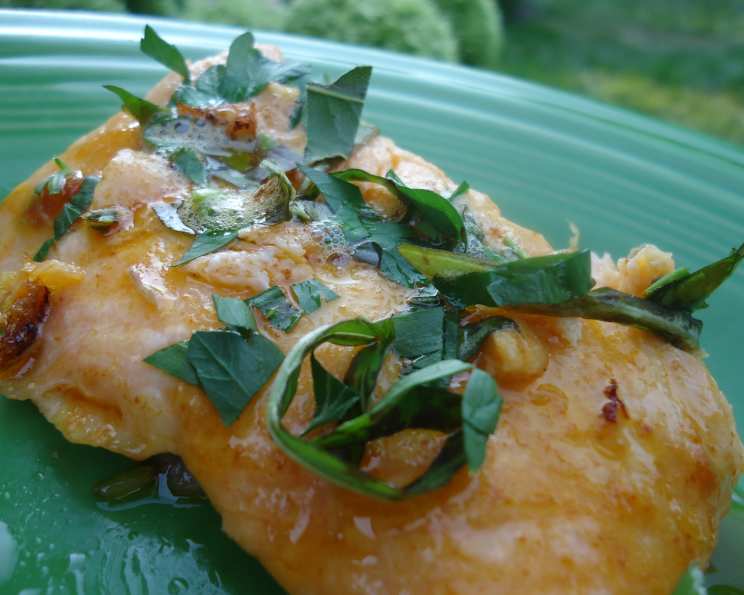
Salmon Swimming in Thai Red Curry: A Flavorful Escape
The first time I tasted Thai red curry, I was a wide-eyed culinary student backpacking through Southeast Asia. The vibrant colors of the market stalls, the fragrant aromas of street food, and the sheer explosion of flavors in every dish were intoxicating. I remember one small, family-run restaurant in Chiang Mai where I tried a salmon curry that was unlike anything I had ever experienced. The tender, flaky fish bathed in a rich, creamy sauce with the bright, tangy notes of lemongrass and lime – it was pure magic. This recipe is my attempt to capture that memory, to bring a little piece of Thailand to your kitchen.
Recipe Overview
- Prep Time: 10 minutes
- Cook Time: 20 minutes
- Total Time: 30 minutes
- Servings: 4
- Yield: 4 salmon fillets in sauce
- Dietary Type: Dairy-Free (naturally), Gluten-Free (check fish sauce)
Ingredients
- 1 1⁄2 lbs salmon fillets, cut into individual servings
- 1 tablespoon red curry paste
- 1 1⁄2 cups coconut milk (Mae Ploy brand is best)
- 1 teaspoon fish sauce
- 1 teaspoon brown sugar (to taste)
- 2 teaspoons vegetable oil
- 4-6 kaffir lime leaves, chopped finely
- 1 stalk lemongrass, bruised (pounded)
- Coriander leaves (to garnish) or extra finely julienned kaffir lime leaf
Equipment Needed
- Large skillet or wok
- Cutting board
- Knife
- Spoon
- Mortar and pestle (optional, for bruising lemongrass)
Instructions
-
Begin by preparing your ingredients. Roughly chop the kaffir lime leaves and bruise the lemongrass stalk by pounding it gently with a mortar and pestle or the back of a knife. Bruising the lemongrass helps release its aromatic oils.
-
Heat the vegetable oil in a large skillet or wok over medium heat. Once the oil is shimmering, add the bruised lemongrass. Fry the lemongrass for less than a minute, or until it becomes very fragrant. Be careful not to burn it, as this will impart a bitter taste.
-
Next, incorporate the red curry paste. Stir it into the oil and lemongrass, breaking it up with your spoon until it is fragrant, about 30 seconds. Again, be mindful not to let the curry paste burn; reduce the heat if necessary.
-
Pour in the coconut milk, stirring constantly to blend it well with the curry paste. Ensure there are no lumps of curry paste remaining. Reduce the heat to a gentle simmer.
-
Now, season the sauce. Stir in the brown sugar and fish sauce. Taste the sauce and adjust the seasoning to your liking. You may want to add a little more brown sugar if you prefer a sweeter curry, or a bit more fish sauce for a saltier, umami flavor.
-
Add the chopped kaffir lime leaves to the simmering sauce. These leaves will impart a bright, citrusy aroma to the curry.
-
Allow the sauce to simmer for at least 15 to 20 minutes, or until the oil begins to separate from the coconut milk. This step is crucial for developing the flavors of the curry. The longer it simmers, the richer and more complex the taste will become.
-
Gently place the salmon fillets into the simmering sauce. Make sure the fillets are partially submerged in the liquid.
-
Poach the salmon in the sauce over medium heat until cooked through. The cooking time will depend on the thickness of the fillets, but it should take approximately 5-7 minutes. You’ll know the salmon is done when it flakes easily with a fork and is no longer translucent in the center. Be careful not to overcook the salmon, as it can become dry.
-
Once the salmon is cooked, remove the skillet from the heat. Serve immediately.
Expert Tips & Tricks
- Choosing the Right Curry Paste: The quality of your red curry paste will significantly impact the flavor of the dish. Experiment with different brands to find one you love. Some pastes are spicier than others, so adjust the amount according to your preference. Maesri and Aroy-D are good brands to start with.
- Coconut Milk Matters: Full-fat coconut milk is key to a rich and creamy curry. Don’t skimp on the fat content! The Mae Ploy brand is recommended for its authentic flavor and consistency.
- Bruising Lemongrass: Don’t skip bruising the lemongrass. This releases the essential oils and allows the flavor to infuse into the curry.
- Salmon Skin: You can choose to cook the salmon with or without the skin. If you prefer crispy skin, sear the skin-side down in the pan before adding it to the curry sauce.
- Spice Level: Adjust the amount of red curry paste to control the spice level. Start with a smaller amount and add more to taste.
- Thickening the Sauce: If you prefer a thicker sauce, you can simmer it for a longer time to reduce the liquid. Alternatively, you can mix a teaspoon of cornstarch with a tablespoon of cold water and stir it into the simmering sauce.
- Vegetable Options: Feel free to add vegetables to this dish. Bell peppers, bamboo shoots, snow peas, and mushrooms all work well. Add them to the sauce a few minutes before the salmon to ensure they are cooked through but still crisp-tender.
Serving & Storage Suggestions
Serve the Salmon in Thai Red Curry hot, garnished with fresh coriander leaves or finely julienned kaffir lime leaf. Accompany it with steamed rice to soak up the delicious sauce. A side of stir-fried vegetables or a fresh cucumber salad would also complement the dish nicely.
Leftovers can be stored in an airtight container in the refrigerator for up to 3 days. To reheat, gently warm the salmon and sauce in a skillet over low heat, or microwave in short intervals until heated through. Be careful not to overcook the salmon when reheating. While freezing is possible, it may affect the texture of the salmon. The sauce will freeze well.
Nutritional Information
| Nutrient | Amount per Serving | % Daily Value |
|---|---|---|
| Calories | 637.6 kcal | N/A |
| Calories from Fat | N/A | 39% |
| Total Fat | 27.9 g | 42% |
| Saturated Fat | 18.9 g | 94% |
| Cholesterol | 78.4 mg | 26% |
| Sodium | 285.8 mg | 11% |
| Total Carbohydrate | 60.2 g | 20% |
| Dietary Fiber | 0.2 g | 0% |
| Sugars | 58.3 g | 233% |
| Protein | 36.3 g | 72% |
Variations & Substitutions
- Vegetarian Option: Substitute the salmon with firm tofu or tempeh. Press the tofu to remove excess water before adding it to the curry.
- Chicken or Shrimp: You can easily adapt this recipe to use chicken or shrimp instead of salmon. Adjust the cooking time accordingly.
- Different Vegetables: Experiment with different vegetables such as eggplant, zucchini, or butternut squash.
- Gluten-Free: Ensure your fish sauce is gluten-free. Some brands contain wheat-based ingredients.
- Spicier Curry: Add a pinch of dried chili flakes or a finely chopped Thai chili pepper to the sauce for extra heat.
- Sweetener: Honey or maple syrup can be used in place of brown sugar.
FAQs (Frequently Asked Questions)
Q: Can I use a different brand of coconut milk?
A: While Mae Ploy is recommended for its authentic flavor, you can use other brands of full-fat coconut milk. Avoid using “lite” coconut milk as it will result in a thinner sauce.
Q: How can I make this curry spicier?
A: Add a pinch of dried chili flakes or a finely chopped Thai chili pepper to the sauce during the simmering process. You can also increase the amount of red curry paste.
Q: Can I prepare the curry sauce ahead of time?
A: Yes, the curry sauce can be prepared ahead of time and stored in the refrigerator for up to 3 days. Simply reheat the sauce and add the salmon just before serving.
Q: What if I can’t find kaffir lime leaves?
A: If you can’t find kaffir lime leaves, you can substitute with a teaspoon of lime zest and a tablespoon of lime juice. However, the flavor will not be exactly the same.
Q: How do I know when the salmon is cooked through?
A: The salmon is cooked through when it flakes easily with a fork and is no longer translucent in the center. Use a fork to gently separate a piece of salmon and check for doneness.
Final Thoughts
This Salmon in Thai Red Curry is more than just a recipe; it’s an invitation to embark on a culinary adventure. The symphony of flavors, from the creamy coconut milk to the fragrant lemongrass and the tender salmon, is a true delight for the senses. I hope this recipe inspires you to explore the vibrant world of Thai cuisine and create memorable meals for yourself and your loved ones. Don’t hesitate to experiment with variations and substitutions to make it your own, and please share your feedback and creations with me. Pair this dish with a crisp, dry white wine like Sauvignon Blanc or a refreshing Thai iced tea for a complete and satisfying meal. Enjoy!