
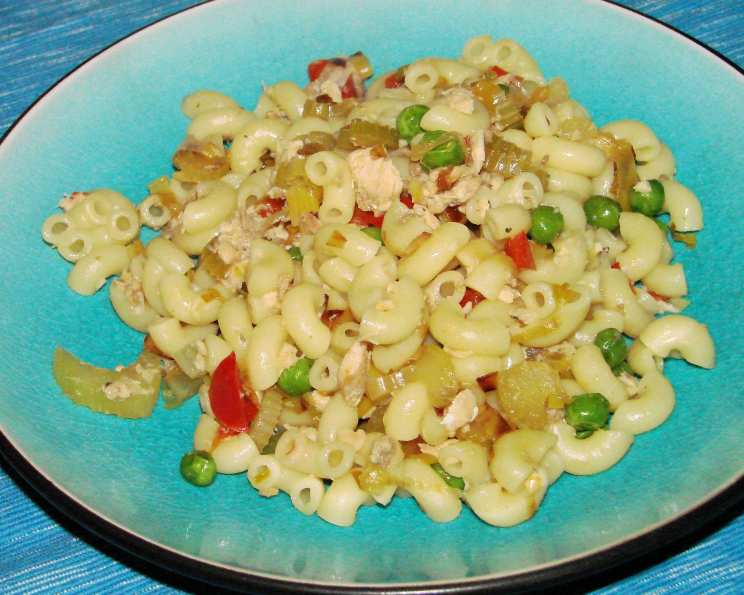
Salmon Pasta Primavera: A Taste of Spring
The first time I tasted pasta primavera, I was a wide-eyed culinary student visiting Italy. It was spring, and the markets overflowed with vibrant green peas, tender asparagus, and the sweet fragrance of new herbs. A tiny trattoria in Florence served a dish that embodied the season: a simple pasta tossed with these jewels of the garden, kissed with olive oil and a hint of lemon. This Salmon Pasta Primavera evokes that memory – a celebration of fresh, seasonal flavors with a touch of richness from the salmon. It’s a dish that feels both comforting and vibrant, perfect for a light yet satisfying meal.
Recipe Overview
- Prep Time: 15 minutes
- Cook Time: 20 minutes
- Total Time: 35 minutes
- Servings: 6
- Dietary Type: Pescatarian
Ingredients
- 1 lb penne pasta
- 1/4 cup unsalted butter
- 3-4 tablespoons olive oil
- 1 pinch red pepper flakes
- 1 leek, both white and light green parts, washed and chopped
- 1 teaspoon minced garlic
- 3 celery stalks, sliced
- 1 red bell pepper, chopped
- 1 lb frozen baby peas
- 1 (16 ounce) can red salmon, drained and flaked
- Salt and pepper, to taste
- Grated parmesan cheese
Equipment Needed
- Large pot
- Medium pan
- Colander
Instructions
-
Bring a large pot of salted water to a rolling boil. Add the penne pasta and cook until al dente, following package directions. Before draining, reserve ½ cup of the pasta water. Drain the pasta well in a colander, but do not rinse.
-
While the pasta is cooking, prepare the vegetables. Heat the olive oil in a medium pan over medium heat. Add the red pepper flakes and chopped leek. Sauté for about 5 minutes, until the leek is softened and fragrant.
-
Add the minced garlic, sliced celery, and chopped red bell pepper to the pan. Continue to sauté for another 3-5 minutes, or until the celery is crisp-tender. The vegetables should retain some bite. Remove the pan from the heat and set aside.
-
Return the drained pasta to the large pot. Add the reserved ½ cup pasta water and the frozen baby peas. Place the pot over low heat and cook until the peas are warmed through, about 2-3 minutes. This gentle heating helps the peas retain their bright green color and prevents them from becoming mushy.
-
Add the flaked red salmon and the sautéed vegetables to the pot with the pasta and peas. Stir gently to combine, being careful not to break up the salmon too much.
-
Season the mixture with salt and pepper to taste. Remember that the parmesan cheese will also add saltiness, so start with a smaller amount and adjust accordingly.
-
Gently toss the cooked pasta with the vegetables and salmon until the pasta is well-coated and has absorbed the flavors of the other ingredients. Add the butter and toss until it has melted. The pasta should be moist and creamy. If the pasta seems dry, add a little more olive oil or pasta water to loosen it up.
-
Serve immediately, sprinkled generously with grated parmesan cheese. Adjust seasoning to taste, adding more salt, pepper, or red pepper flakes if desired.
Expert Tips & Tricks
- Pasta Water is Key: Don’t skip reserving the pasta water! It’s starchy and helps to create a creamy sauce that clings to the pasta. If you forget to reserve it before draining, you can use a little bit of the cooking water from the peas instead.
- Don’t Overcook the Vegetables: The vegetables should be crisp-tender, not mushy. This adds texture and vibrancy to the dish. Sauté them over medium heat and keep a close eye on them.
- Gentle Handling: Be gentle when stirring in the salmon to avoid breaking it up too much. You want to keep the flakes intact for a more pleasant texture.
- Flavor Boost: For a brighter flavor, add a squeeze of fresh lemon juice just before serving. You can also add a sprinkle of fresh herbs like parsley, dill, or chives.
- Make Ahead: While this dish is best served fresh, you can prepare the vegetables ahead of time. Sauté them and store them in the refrigerator until ready to use.
Serving & Storage Suggestions
Serve the Salmon Pasta Primavera immediately after cooking, garnished with a generous amount of grated parmesan cheese. A simple green salad and a crusty bread are perfect accompaniments.
Leftovers can be stored in an airtight container in the refrigerator for up to 2 days. To reheat, gently warm in a pan over low heat, adding a splash of water or olive oil if needed. Be careful not to overcook the salmon.
Do not leave the pasta at room temperature for more than 2 hours. Freezing is not recommended, as the pasta and vegetables may become mushy upon thawing.
Nutritional Information
| Nutrient | Amount per Serving | % Daily Value |
|---|---|---|
| Calories | 587 kcal | N/A |
| Calories from Fat | 186 kcal | N/A |
| Total Fat | 20.7 g | 31% |
| Saturated Fat | 6.7 g | 33% |
| Cholesterol | 60.5 mg | 20% |
| Sodium | 111.9 mg | 4% |
| Total Carbohydrate | 75.3 g | 25% |
| Dietary Fiber | 13.2 g | 53% |
| Sugars | 6.1 g | N/A |
| Protein | 26.6 g | 53% |
Note: Daily values are based on a 2,000 calorie diet. Actual values may vary.
Variations & Substitutions
- Vegetarian Option: Omit the salmon for a vegetarian primavera. You can add some chickpeas or white beans for extra protein.
- Gluten-Free: Use gluten-free penne pasta.
- Dairy-Free: Omit the parmesan cheese or use a vegan parmesan alternative. You can also use olive oil instead of butter.
- Seasonal Vegetables: Feel free to substitute other seasonal vegetables, such as asparagus, zucchini, or spinach.
- Spicy Kick: Add more red pepper flakes or a pinch of cayenne pepper for a spicier dish.
- Different Protein: Substitute the salmon with shrimp, tuna, or grilled chicken.
FAQs (Frequently Asked Questions)
Q: Can I use fresh peas instead of frozen?
A: Absolutely! If you have fresh peas available, they’ll add an even brighter flavor. Just be sure to shell them before adding them to the pasta. They will cook very quickly so add them at the end.
Q: What kind of salmon is best for this recipe?
A: Canned red salmon works well for convenience and flavor. However, you could also use leftover cooked salmon, either baked or grilled. Just flake it and add it to the pasta.
Q: Can I make this dish ahead of time?
A: While it’s best served fresh, you can prepare the vegetables ahead of time and store them in the refrigerator. Add the cooked pasta, salmon, and peas just before serving.
Q: How do I prevent the pasta from sticking together?
A: Be sure to cook the pasta al dente and toss it with the sauce immediately after draining. The starch in the pasta water will help to create a creamy sauce that prevents sticking.
Q: Can I add other herbs to this recipe?
A: Definitely! Fresh herbs like parsley, dill, chives, or basil would all be delicious additions. Add them at the end of cooking to preserve their flavor and aroma.
Final Thoughts
Salmon Pasta Primavera is more than just a recipe; it’s a celebration of fresh ingredients and simple flavors. I encourage you to try it and make it your own, experimenting with different vegetables and herbs to create a dish that reflects your personal tastes. Share your creations and feedback – I’d love to hear about your culinary adventures. Pair it with a crisp white wine for the perfect springtime meal. Buon appetito!