
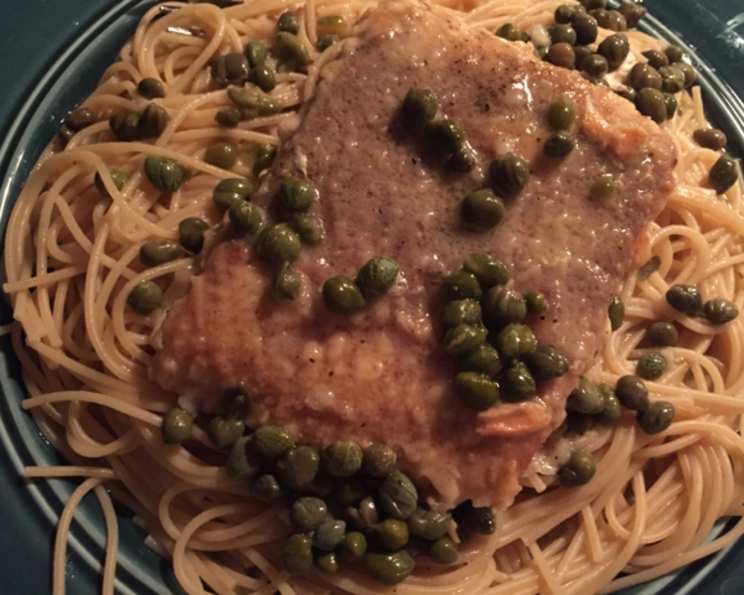
Salmon Piccata: A Culinary Symphony of Flavors
The first time I tasted Salmon Piccata, I was transported. It wasn’t in a fancy restaurant, but at a small family gathering by the Puget Sound. The host, a seasoned home cook, had whipped it up in what seemed like minutes. The flaky salmon, bathed in that bright, lemony sauce, the salty capers bursting on my tongue – it was an explosion of flavor that perfectly mirrored the sun-drenched, salty air of the Pacific Northwest. It was so much more than just a fish dish; it was an experience, a memory I’ve chased in my own kitchen ever since.
Recipe Overview
- Prep Time: 10 minutes
- Cook Time: 10 minutes
- Total Time: 20 minutes
- Servings: 4
- Yield: 4 Salmon Fillets
- Dietary Type: Pescatarian, Gluten-Free (with modification)
Ingredients
- 1 1⁄2 lbs salmon fillets, preferably a thick piece, skin and pin bones removed
- 3 tablespoons clarified butter or 3 tablespoons olive oil
- 1⁄4 cup all-purpose flour, more if needed (Use gluten-free flour blend for gluten-free option)
- 3⁄4 cup dry white wine (such as Pinot Grigio or Sauvignon Blanc)
- 1 lemon, juiced (to taste)
- 1⁄2 cup unsalted butter, cut in pieces and chilled
- 1⁄4 cup drained capers
- Salt & freshly ground black pepper
- Lemon wedge, for serving
Equipment Needed
- Sharp knife
- Saute pan or large skillet
- Plate
Instructions
-
Begin by preparing the salmon. Using a very sharp knife, slice the salmon crosswise into pieces about 1/2 inch thick. The key here is a clean cut, so ensure your knife is razor sharp to prevent tearing the delicate fish.
-
Next, heat the clarified butter (or olive oil) in a saute pan or large skillet over medium-high heat. Clarified butter will give you a richer flavor and higher smoke point, but olive oil is a good substitute if you don’t have any on hand. Allow the butter to melt completely and shimmer.
-
While the butter is heating, coat each salmon piece with flour, patting to remove the excess. This light dusting of flour helps create a beautiful golden crust and slightly thickens the sauce later. Be sure to shake off any extra flour; you want a thin coating. For a gluten-free version, substitute with your favorite gluten-free flour blend.
-
When the butter is hot, gently add the salmon slices to the pan in a single layer, being careful not to overcrowd it. Cook until lightly browned and just cooked through, about 2 minutes on each side. The cooking time will depend on the thickness of your salmon, so keep a close eye on it. You want the fish to be opaque and flaky.
-
Once the salmon is cooked, carefully transfer it to a plate and set it aside. We will return it to the pan later to finish in the sauce.
-
Now, pour off and discard the excess butter from the pan, leaving just a thin coating. This step prevents the sauce from becoming greasy.
-
Add the white wine and lemon juice to the pan and bring it to a boil, stirring to dissolve the flavorful bits stuck to the pan (these are called fond and they add depth to the sauce).
-
Boil for 1 to 2 minutes to reduce the liquid slightly. This step concentrates the flavors of the wine and lemon juice, creating a more intense sauce.
-
Lower the heat to medium-low and add the chilled butter and capers, with salt and pepper to taste, gently swirling the pan to melt the butter. Chilled butter will emulsify better into the sauce. Do not let the sauce boil once the butter is added; you want a silky smooth texture, not a separated, oily one.
-
Just before the butter is fully incorporated, return the salmon to the pan and continue swirling to coat the salmon in the sauce. Ensure each piece is nicely glazed with the vibrant lemon-caper sauce.
-
Finally, divide the salmon among 4 individual warmed plates. Spoon the sauce generously over the salmon, and serve immediately with lemon wedges on the side for squeezing over the salmon.
Expert Tips & Tricks
- Don’t Overcook the Salmon: Salmon cooks very quickly. Overcooked salmon will be dry and tough. Aim for just cooked through, when the fish is opaque and flakes easily with a fork.
- Use High-Quality Butter: The butter is a crucial element in the piccata sauce, so use the best quality you can afford. European-style butter with a higher fat content will create a richer, more flavorful sauce.
- Keep the Butter Cold: Cold butter emulsifies into the sauce much better, creating a richer, smoother texture.
- Adjust the Lemon: Lemon juice is key, but use a little at a time and taste as you go. Add more lemon juice if you prefer a more tart flavor.
- Make it Ahead: The sauce can be made ahead of time and kept warm over low heat. Add the salmon just before serving. This is great if you’re serving a crowd.
Serving & Storage Suggestions
Serve the Salmon Piccata immediately for the best flavor and texture. Garnish with fresh parsley or a sprinkle of red pepper flakes for a touch of heat, if desired. It pairs beautifully with pasta, rice, or a simple green salad.
Leftovers can be stored in an airtight container in the refrigerator for up to 2 days. Reheat gently in a skillet over low heat or in the microwave, being careful not to overcook the salmon. The sauce may separate slightly upon reheating, but a quick whisk should bring it back together. I do not recommend freezing this dish, as the texture of the salmon and the sauce may be compromised.
Nutritional Information
| Nutrient | Amount per Serving | % Daily Value |
|---|---|---|
| Calories | 425 kcal | 21% |
| Total Fat | 30g | 46% |
| Saturated Fat | 18g | 90% |
| Cholesterol | 115mg | 38% |
| Sodium | 400mg | 17% |
| Total Carbohydrate | 5g | 2% |
| Dietary Fiber | 1g | 4% |
| Sugars | 1g | N/A |
| Protein | 35g | 70% |
Note: Nutritional information is an estimate and may vary based on specific ingredients and portion sizes.
Variations & Substitutions
- Spice it up: Add a pinch of red pepper flakes to the sauce for a touch of heat.
- Herbaceous twist: Incorporate fresh herbs like parsley, thyme, or dill into the sauce for added flavor.
- Creamy Piccata: Add a splash of heavy cream or crème fraîche to the sauce for a richer, creamier texture.
- Chicken Piccata: Substitute chicken breasts for the salmon for a classic Piccata variation.
- Vegetarian Option: Try this sauce with pan-fried tofu or cauliflower steaks for a vegetarian alternative.
FAQs (Frequently Asked Questions)
Q: Can I use frozen salmon fillets for this recipe?
A: Yes, you can. Just make sure to thaw them completely before cooking and pat them dry with paper towels to remove excess moisture.
Q: What kind of white wine should I use for Salmon Piccata?
A: A dry white wine like Pinot Grigio, Sauvignon Blanc, or Chardonnay works well. Avoid sweet wines.
Q: Can I make Salmon Piccata without wine?
A: Yes, you can substitute the white wine with chicken or vegetable broth. However, the wine adds a depth of flavor that is worth using if you have it on hand.
Q: How do I know when the salmon is cooked through?
A: The salmon is cooked through when it’s opaque and flakes easily with a fork. The internal temperature should reach 145°F (63°C).
Q: Can I make this ahead of time?
A: The sauce can be made ahead of time and reheated, but the salmon is best cooked fresh and served immediately.
Final Thoughts
Salmon Piccata is more than just a meal; it’s an experience waiting to be savored. With its vibrant flavors and simple preparation, it’s a dish that’s perfect for both weeknight dinners and special occasions. Don’t be afraid to experiment with the ingredients and make it your own. Now, go ahead and create a culinary symphony in your kitchen. I hope you enjoy this recipe as much as I do. Let me know what you think in the comments! Pair it with a crisp glass of white wine and enjoy the moment.