
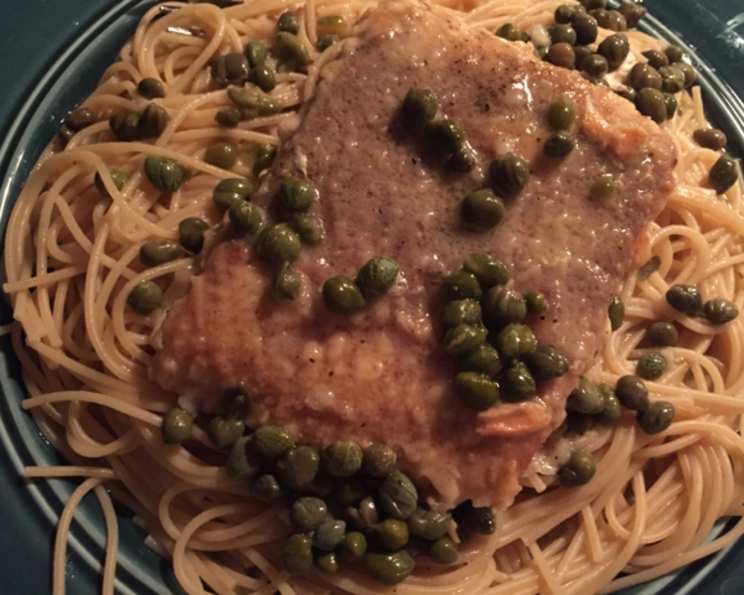
Salmon Piccata: A Culinary Ode to the Pacific Northwest
The first time I tasted Salmon Piccata, I was on a tiny houseboat in Seattle’s Lake Union, the Space Needle twinkling in the distance. My friend, a passionate home cook with a penchant for Italian flavors, had whipped it up on a whim. The way the bright, lemony sauce danced with the richness of the salmon, the salty pop of the capers, and the subtle nuttiness from the browned butter – it was pure magic. That meal, under a canvas of stars and city lights, sparked a lifelong love affair with this elegant yet approachable dish, forever reminding me of the beauty of simple ingredients elevated by masterful technique.
Recipe Overview
- Prep Time: 10 minutes
- Cook Time: 10 minutes
- Total Time: 20 minutes
- Servings: 4
- Yield: 4 salmon fillets
- Dietary Type: Pescatarian
Ingredients
- 1 1⁄2 lbs salmon fillets, preferably a thick piece, skin and pin bones removed
- 3 tablespoons clarified butter or 3 tablespoons olive oil
- 1⁄4 cup all-purpose flour, more if needed
- 3⁄4 cup dry white wine
- 1 lemon, juiced (to taste)
- 1⁄2 cup unsalted butter, cut in pieces and chilled
- 1⁄4 cup drained capers
- Salt & freshly ground black pepper
- Lemon wedges, for serving
Equipment Needed
- Sharp knife
- Saute pan or large skillet
- Plate
Instructions
- Using a very sharp knife, slice the salmon crosswise into pieces about 1/2 inch thick. This ensures even cooking and a delicate texture.
- Heat the clarified butter in a saute pan or large skillet over medium-high heat. Clarified butter has a higher smoke point than regular butter, making it ideal for searing the salmon without burning. If using olive oil, choose a good quality extra virgin olive oil.
- While the butter is heating, coat each salmon piece with flour, patting to remove the excess. This creates a light crust that helps the salmon brown beautifully and adds a touch of thickening to the sauce. Be sure to shake off the extra flour; too much will make the sauce gluey.
- When the butter is hot and shimmering, add the salmon slices to the pan in a single layer, being careful not to overcrowd the pan. Cook until lightly browned and just cooked through, about 2 minutes on each side. The internal temperature should reach 145°F (63°C). Overcooking the salmon will result in a dry, less palatable dish.
- Transfer the salmon to a plate and set aside. This prevents further cooking and allows you to focus on creating the piccata sauce.
- Pour off and discard the excess butter from the pan, leaving only a thin coating. This step is crucial for preventing the sauce from becoming too greasy.
- Add the dry white wine and lemon juice to the pan and bring just to a boil, stirring to dissolve the flavorful bits stuck to the pan (fond). The fond is where a lot of the flavor resides, so don’t skip this step! Use a wooden spoon to scrape the bottom of the pan as the wine simmers.
- Boil for 1 to 2 minutes to reduce the liquid slightly. This concentrates the flavors of the wine and lemon juice, creating a more intense and balanced sauce. Watch carefully to avoid burning the sauce.
- Lower the heat to low and add the chilled butter and capers, with salt and pepper to taste, gently swirling the pan to melt the butter. The cold butter helps to emulsify the sauce, creating a smooth, creamy texture. Don’t allow the sauce to boil at this point, or it may separate.
- Just before the butter is fully incorporated, return the salmon to the pan and continue swirling to coat the salmon in sauce. Be gentle so the salmon doesn’t break apart. The goal is to warm the salmon through without overcooking it.
- Divide the salmon among 4 individual warmed plates, spoon the sauce over it, and serve immediately, with lemon wedges on the side for squeezing over the salmon.
Expert Tips & Tricks
- Pat the salmon dry with paper towels before dredging it in flour. This helps the flour adhere better and promotes browning.
- Use a high-quality dry white wine such as Pinot Grigio, Sauvignon Blanc, or dry Riesling. Avoid wines that are too sweet or oaky, as they will overpower the delicate flavors of the dish.
- Don’t overcrowd the pan when searing the salmon. If necessary, cook the salmon in batches to ensure even browning.
- Keep the butter cold until you are ready to add it to the sauce. This helps to emulsify the sauce and create a smooth, creamy texture.
- Taste and adjust the seasoning of the sauce as needed. The amount of lemon juice, salt, and pepper will vary depending on the acidity of the lemon and your personal preference.
- For a richer flavor, consider adding a tablespoon of heavy cream to the sauce at the end.
- If the sauce becomes too thick, add a tablespoon or two of chicken broth or white wine to thin it out.
- If the sauce is too thin, whisk a teaspoon of cornstarch with a tablespoon of cold water, then whisk it into the sauce and cook for a minute or two until thickened.
Serving & Storage Suggestions
Serve Salmon Piccata immediately while it’s hot and the sauce is glossy. It pairs beautifully with a side of angel hair pasta, creamy polenta, or roasted asparagus. Garnish with fresh parsley for a pop of color and added freshness.
Leftovers can be stored in an airtight container in the refrigerator for up to 2 days. Reheat gently in a skillet over low heat, adding a splash of broth or water to prevent it from drying out. Be careful not to overcook the salmon during reheating. It is not recommended to freeze this dish, as the texture of the salmon and the sauce may be affected.
Nutritional Information
| Nutrient | Amount per Serving | % Daily Value |
|---|---|---|
| Calories | 425 kcal | 21% |
| Total Fat | 28g | 43% |
| Saturated Fat | 16g | 80% |
| Cholesterol | 115mg | 38% |
| Sodium | 450mg | 19% |
| Total Carbohydrate | 5g | 2% |
| Dietary Fiber | 1g | 4% |
| Sugars | 1g | – |
| Protein | 35g | 70% |
Note: Nutritional information is an estimate and may vary based on specific ingredients and preparation methods.
Variations & Substitutions
- Gluten-Free: Substitute the all-purpose flour with a gluten-free all-purpose flour blend or rice flour.
- Dairy-Free: Replace the clarified butter with olive oil and omit the butter in the sauce. Add a tablespoon of nutritional yeast for a cheesy flavor.
- Herbed Piccata: Add a tablespoon of chopped fresh herbs such as parsley, tarragon, or chives to the sauce for extra flavor.
- Spicy Piccata: Add a pinch of red pepper flakes to the sauce for a touch of heat.
- Chicken Piccata: Substitute the salmon fillets with chicken cutlets for a classic chicken piccata dish.
- Mushroom Piccata: Add sliced mushrooms to the pan after searing the salmon for an earthy flavor.
FAQs (Frequently Asked Questions)
Q: Can I use regular butter instead of clarified butter?
A: Yes, you can use regular butter, but clarified butter is preferred because it has a higher smoke point and won’t burn as easily. If using regular butter, keep the heat at medium and watch carefully to prevent burning.
Q: Can I make this dish ahead of time?
A: While the salmon is best served fresh, you can prepare the sauce ahead of time. Store the sauce in an airtight container in the refrigerator for up to 2 days. Reheat gently before adding the cooked salmon.
Q: What is the best type of salmon to use for this recipe?
A: King salmon or Coho salmon are excellent choices for this recipe due to their rich flavor and firm texture. However, any type of salmon fillet will work.
Q: Can I use lemon juice from a bottle?
A: Freshly squeezed lemon juice is always preferred for its brighter flavor, but bottled lemon juice can be used in a pinch.
Q: How do I know when the salmon is cooked through?
A: The salmon is cooked through when it is opaque and flakes easily with a fork. The internal temperature should reach 145°F (63°C).
Final Thoughts
Salmon Piccata is more than just a recipe; it’s an invitation to experience a symphony of flavors in a single bite. The bright, lemony sauce, the delicate salmon, and the salty capers create a truly unforgettable dish. Don’t be afraid to experiment with variations and substitutions to make it your own. Whether you’re cooking for a special occasion or a simple weeknight dinner, Salmon Piccata is sure to impress. So, gather your ingredients, put on some music, and let the flavors of the Pacific Northwest transport you to a place of culinary bliss. I encourage you to try this recipe and share your feedback! Consider pairing it with a crisp glass of Pinot Grigio to complete the experience. Bon appétit!