
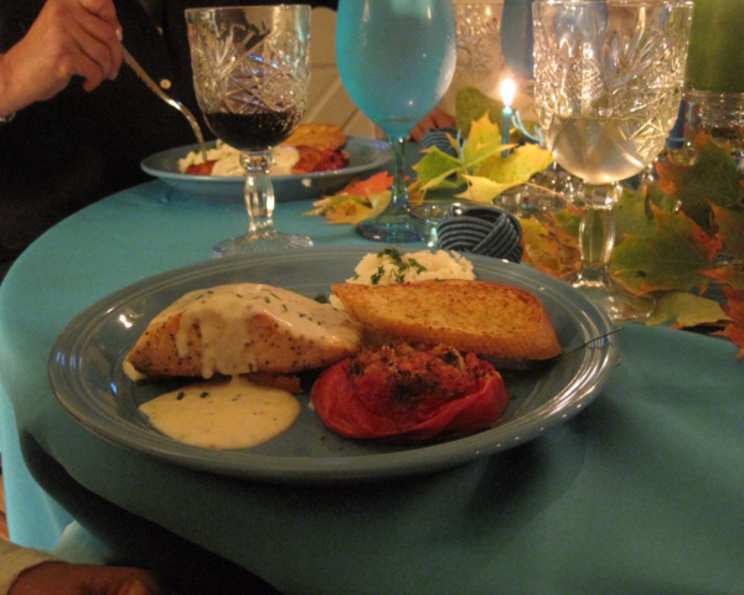
Salmon with a Creamy Lemon Mustard Sauce
There’s something undeniably comforting about the aroma of salmon gently sautéing in a pan, especially when the promise of a tangy, creamy sauce hangs in the air. I remember as a young chef, nervously preparing this dish for a discerning food critic. The delicate balance of flavors – the richness of the salmon, the bright zest of lemon, the subtle kick of mustard – was crucial. The moment the critic closed their eyes after the first bite and simply nodded, I knew I had created something truly special. That memory, along with the countless times I’ve since prepared this dish for friends and family, cemented its place as one of my all-time favorites.
Recipe Overview
- Prep Time: 10 minutes
- Cook Time: 20 minutes
- Total Time: 30 minutes
- Servings: 4
- Dietary Type: Gluten-Free (if using gluten-free mustard)
Ingredients
- ⅛ cup olive oil
- 1 teaspoon butter
- 4 salmon fillets
- 1 cup pouring cream
- ½ cup milk
- 4 teaspoons cornstarch
- ¼ cup water
- ½ lemon, juice of and finely grated zest
- 1 tablespoon Dijon mustard (ensure gluten-free if required)
- Salt and white pepper, to taste
- 2 teaspoons parsley, finely chopped
Equipment Needed
- Large frypan or skillet
- Small saucepan
- Whisk
Instructions
- Begin by heating the olive oil and butter in a large frypan or skillet over a medium heat. Allow the butter to melt completely and combine with the oil.
- Carefully place the salmon fillets in the heated pan. Cook for approximately 3-4 minutes on each side, or until the salmon is barely cooked through. The internal temperature should reach 145°F (63°C). Ensure not to overcook the salmon, as it will become dry. Remove the salmon from the pan and set aside, keeping it warm.
- While the salmon is cooking, prepare the cornstarch slurry. In a small bowl, mix the cornstarch and water together to form a smooth paste. Ensure there are no lumps. Set this aside.
- In a small saucepan, combine the pouring cream and milk. Bring the mixture to a gentle boil over medium heat, stirring occasionally to prevent scorching.
- Once the cream and milk mixture is boiling, gradually add the cornstarch paste, whisking constantly to prevent lumps from forming. Use only as much of the cornstarch paste as needed to achieve your desired sauce thickness.
- Continue whisking the sauce until it thickens to a creamy consistency. This should take about 1-2 minutes.
- Remove the saucepan from the heat. Stir in the lemon juice, finely grated lemon zest, and Dijon mustard. Mix well to combine all ingredients evenly.
- Season the lemon mustard sauce with salt and white pepper to taste. Start with a small amount and adjust as needed. Remember that Dijon mustard can be quite salty, so taste before adding too much salt.
- To serve, place the cooked salmon fillets on plates. Drizzle generously with the creamy lemon mustard sauce, ensuring each fillet is well coated.
- Garnish with finely chopped parsley to add a touch of freshness and visual appeal.
Expert Tips & Tricks
- For a richer flavor, consider using heavy cream instead of pouring cream. However, this will also increase the fat content of the dish.
- If you prefer a smoother sauce, strain it through a fine-mesh sieve after cooking to remove any small lumps.
- To prevent the salmon from sticking to the pan, ensure the pan is properly heated before adding the oil and butter. You can also pat the salmon fillets dry with paper towels before cooking to remove excess moisture.
- If you don’t have white pepper, you can use black pepper instead, but be aware that it will have a slightly stronger flavor and may be more visible in the sauce.
- If the sauce becomes too thick, add a splash of milk or cream to thin it out. Conversely, if it’s too thin, whisk in a little more cornstarch paste (make sure it’s thoroughly mixed with water first).
- The lemon zest adds a significant amount of flavor, so be sure to use a fine grater to avoid large pieces of zest that can be bitter.
Serving & Storage Suggestions
This salmon with creamy lemon mustard sauce is best served immediately while the salmon is still warm and the sauce is creamy. It pairs perfectly with steamed or roasted vegetables such as asparagus, broccoli, green beans, or a simple salad. It also works well with rice, quinoa, or mashed potatoes.
Leftovers can be stored in an airtight container in the refrigerator for up to 2 days. Reheat gently in a saucepan over low heat, stirring occasionally, or in the microwave. Be careful not to overheat the salmon, as it can become dry. The sauce may thicken upon refrigeration, so you may need to add a little milk or cream when reheating to restore its creamy consistency. Freezing is not recommended as it can affect the texture of both the salmon and the sauce.
Nutritional Information
| Nutrient | Amount per Serving | % Daily Value |
|---|---|---|
| Calories | 680.9 kcal | N/A |
| Calories from Fat | 373 kcal | 55% |
| Total Fat | 41.5 g | 63% |
| Saturated Fat | 16.4 g | 81% |
| Cholesterol | 219.4 mg | 73% |
| Sodium | 326 mg | 13% |
| Total Carbohydrate | 6.5 g | 2% |
| Dietary Fiber | 0.4 g | 1% |
| Sugars | 0.3 g | 1% |
| Protein | 67.8 g | 135% |
Note: Nutritional information is an estimate and may vary based on specific ingredients and portion sizes.
Variations & Substitutions
- For a dairy-free version, substitute the pouring cream and milk with coconut cream or almond milk. Be aware that this will alter the flavor of the sauce slightly.
- If you don’t have Dijon mustard, you can use another type of mustard, such as yellow mustard or whole-grain mustard, but the flavor will be different.
- Add other herbs such as dill, thyme, or chives to the sauce for a different flavor profile.
- Spice it up by adding a pinch of red pepper flakes to the sauce.
- For a richer sauce, add a tablespoon of grated Parmesan cheese at the end of cooking.
FAQs (Frequently Asked Questions)
Q: Can I use frozen salmon fillets for this recipe?
A: Yes, you can use frozen salmon fillets. Make sure to thaw them completely before cooking and pat them dry with paper towels to remove excess moisture.
Q: How can I tell if the salmon is cooked through?
A: The salmon is cooked through when it flakes easily with a fork and the internal temperature reaches 145°F (63°C).
Q: Can I make the sauce ahead of time?
A: The sauce is best made fresh, but you can prepare it up to a few hours in advance and keep it warm in a saucepan over low heat. You may need to add a little milk or cream to thin it out before serving.
Q: What if I don’t have cornstarch?
A: You can substitute cornstarch with arrowroot powder or tapioca starch. Use the same amount as you would for cornstarch.
Q: Can I bake the salmon instead of pan-frying it?
A: Yes, you can bake the salmon. Preheat the oven to 400°F (200°C), place the salmon fillets on a baking sheet lined with parchment paper, and bake for 12-15 minutes, or until cooked through. Then drizzle with the prepared sauce.
Final Thoughts
This salmon with creamy lemon mustard sauce is a delightful dish that is sure to impress. It’s easy to prepare, yet elegant enough for a special occasion. Don’t be afraid to experiment with different herbs and spices to customize the flavor to your liking. I encourage you to try this recipe and share your feedback – I’m confident it will become a new favorite! Consider pairing it with a crisp white wine like Sauvignon Blanc or Pinot Grigio for a truly memorable meal. Bon appétit!