
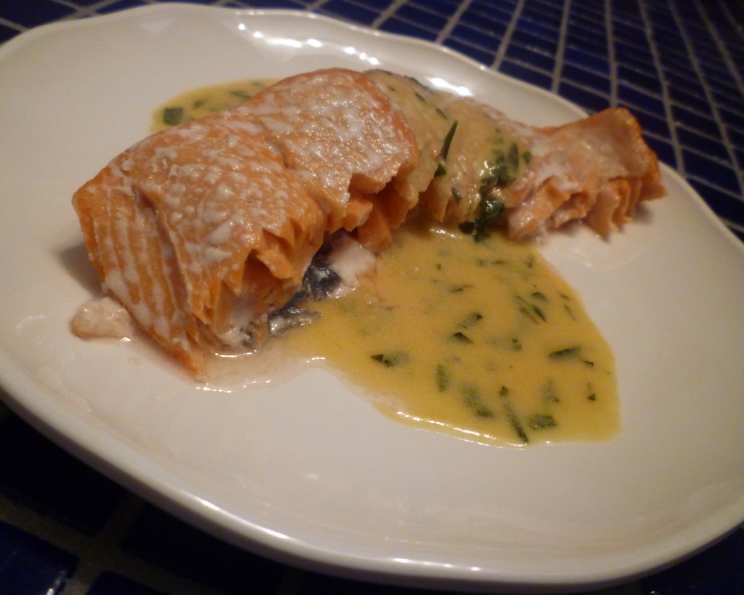
Salmon With Tarragon Sauce: A Taste of Elegance
I remember one summer evening, experimenting in my tiny apartment kitchen, trying to impress a rather discerning friend with a dish that was both sophisticated and light. Salmon was always a favorite, but I wanted to elevate it beyond the usual lemon and dill. That’s when I stumbled upon the magic of tarragon. The delicate anise-like flavor of the herb, swirled into a creamy, tangy sauce, transformed the humble salmon into something truly special. The delighted look on my friend’s face confirmed that I had created a keeper – a dish I’ve turned to time and again for its simplicity, elegance, and utter deliciousness.
Recipe Overview
- Prep Time: 5 minutes
- Cook Time: 25 minutes
- Total Time: 30 minutes
- Servings: 4
- Dietary Type: Pescatarian, Gluten-Free
Ingredients
- 4 tablespoons butter
- 1 1/2 lbs salmon fillets
- Salt, to taste
- 1/4 cup white wine
- 1/2 teaspoon dried tarragon
- 4 teaspoons Dijon mustard
Equipment Needed
- Roasting pan
- Small saucepan
- Whisk
Instructions
-
Preheat your oven to 400 degrees Fahrenheit (200 degrees Celsius). Ensure the oven rack is positioned in the center for even cooking.
-
Melt 2 tablespoons of the butter in a roasting pan. The pan should be large enough to comfortably hold all the salmon fillets without overcrowding them. Overcrowding can lead to steaming instead of roasting, affecting the texture of the fish.
-
Place the salmon fillets into the melted butter and gently turn them to coat both sides. This ensures the fish doesn’t stick to the pan and helps it develop a lovely golden crust.
-
Sprinkle the salmon generously with salt. Seasoning at this stage is crucial as it penetrates the fish during cooking, enhancing its natural flavors.
-
Bake in the preheated oven for 20 minutes, turning the fillets once halfway through. Turning ensures even cooking and prevents one side from becoming overly dry. To check for doneness, gently flake the thickest part of a fillet with a fork. The fish should be opaque and easily separated.
-
While the salmon is baking, prepare the tarragon sauce. In a small saucepan, combine the white wine, dried tarragon, and Dijon mustard.
-
Bring the mixture to a boil over medium heat. Keep a close watch to prevent the sauce from boiling over.
-
Once boiling, reduce the heat to low and simmer gently for 2 minutes. This allows the flavors to meld and the wine to reduce slightly, concentrating its essence.
-
Remove the saucepan from the heat. Immediately swirl in the remaining 2 tablespoons of butter until it is completely melted and the sauce is smooth and emulsified. This adds richness and a velvety texture to the sauce.
-
Once the salmon is cooked, carefully divide it into 4 servings.
-
Spoon the tarragon sauce generously over each serving of salmon and serve immediately. The aroma and flavor are best enjoyed fresh off the heat.
Expert Tips & Tricks
- Fresh vs. Dried Tarragon: While this recipe calls for dried tarragon, fresh tarragon will elevate the dish even further. If using fresh, use about 1 tablespoon, finely chopped, and add it to the sauce just before removing it from the heat to preserve its delicate flavor.
- Wine Selection: A dry white wine like Sauvignon Blanc or Pinot Grigio works best in this sauce. Avoid sweet wines, as they will clash with the savory flavors.
- Doneness: The key to perfectly cooked salmon is not to overcook it. The internal temperature should reach 145°F (63°C). Using a meat thermometer is the most accurate way to check.
- Sauce Consistency: If the sauce is too thin, simmer it for an additional minute or two to allow it to reduce further. If it becomes too thick, add a splash of white wine or chicken broth to thin it out.
- Crispy Skin: For extra crispy salmon skin, pat the skin dry with paper towels before placing it in the roasting pan. You can also broil the salmon for the last minute or two of cooking, keeping a close watch to prevent burning.
Serving & Storage Suggestions
Serve the salmon with tarragon sauce immediately for the best flavor and texture. It pairs beautifully with a side of roasted asparagus, steamed green beans, or a simple green salad. Leftovers can be stored in an airtight container in the refrigerator for up to 2 days. Reheat gently in a pan over low heat or in the microwave. Be careful not to overcook the salmon during reheating, as it can become dry. The sauce may separate slightly upon reheating, but a quick whisk will bring it back together. While freezing is possible, it’s not recommended as the texture of the salmon and the sauce can be affected.
Nutritional Information
| Nutrient | Amount per Serving | % Daily Value |
|---|---|---|
| Calories | 315.8 kcal | N/A |
| Calories from Fat | 158 kcal | N/A |
| Total Fat | 17.6 g | 27% |
| Saturated Fat | 8.3 g | 41% |
| Cholesterol | 119.2 mg | 39% |
| Sodium | 252.9 mg | 10% |
| Total Carbohydrate | 0.9 g | 0% |
| Dietary Fiber | 0.2 g | 0% |
| Sugars | 0.3 g | 1% |
| Protein | 34.4 g | 68% |
Note: Nutritional information is an estimate and may vary based on specific ingredients and preparation methods.
Variations & Substitutions
- Dairy-Free: For a dairy-free version, substitute the butter with olive oil or a plant-based butter alternative. The flavor profile will be slightly different, but still delicious.
- Herb Variations: If you don’t have tarragon on hand, you can substitute it with other herbs like dill, parsley, or chives. Each herb will impart a unique flavor, so experiment to find your favorite combination.
- Lemon Tarragon: Add a squeeze of fresh lemon juice to the sauce for a brighter, more citrusy flavor. Lemon complements both the salmon and the tarragon beautifully.
- Mustard Variety: Experiment with different types of mustard in the sauce. A whole-grain mustard will add texture and a slightly different flavor dimension.
FAQs (Frequently Asked Questions)
Q: Can I use frozen salmon fillets for this recipe?
A: Yes, you can use frozen salmon fillets, but make sure they are completely thawed before cooking. Pat them dry with paper towels to remove any excess moisture.
Q: How do I know when the salmon is cooked through?
A: The salmon is cooked through when it flakes easily with a fork and is opaque throughout. You can also use a meat thermometer to check the internal temperature, which should reach 145°F (63°C).
Q: Can I make the tarragon sauce ahead of time?
A: While the sauce is best served fresh, you can make it a few hours in advance and keep it warm in a saucepan over low heat. Whisk it well before serving.
Q: What vegetables pair well with salmon with tarragon sauce?
A: Roasted asparagus, steamed green beans, broccoli, or a simple green salad are all excellent choices to serve alongside this dish.
Q: Can I grill the salmon instead of baking it?
A: Absolutely! Grilling adds a smoky flavor to the salmon. Just be sure to oil the grill grates well to prevent sticking and cook the salmon over medium heat until it’s cooked through.
Final Thoughts
This Salmon with Tarragon Sauce is a testament to the fact that elegant and flavorful meals don’t have to be complicated. With just a handful of ingredients and a few simple steps, you can create a dish that is sure to impress. Whether you’re cooking for a special occasion or simply want to elevate your weeknight dinner, this recipe is a guaranteed winner. So, gather your ingredients, preheat your oven, and get ready to experience the exquisite flavor of perfectly cooked salmon bathed in a creamy, aromatic tarragon sauce. I encourage you to try this recipe and share your feedback. Consider pairing it with a crisp glass of white wine for a truly unforgettable meal. Bon appétit!