
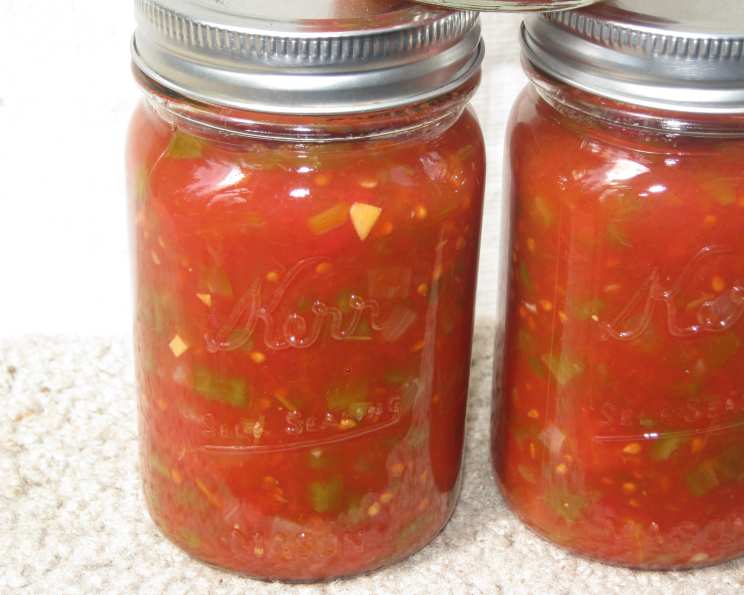
Canning the Flavors of Summer: A Recipe for Homemade Salsa
The scent of bubbling tomatoes, mingled with the sharp tang of vinegar and the subtle heat of peppers, instantly transports me back to my grandmother’s kitchen. Every summer, her pantry shelves would groan under the weight of jewel-toned jars, each one a promise of sunshine and flavor to brighten the cold winter months. Her salsa was legendary, a closely guarded family secret… until now. This recipe, born from a shared love of fresh ingredients and passed down through generations, is my homage to those memories. It’s a recipe that encourages us to preserve the vibrant tastes of summer and share them with loved ones all year long.
Recipe Overview
- Prep Time: 2 hours
- Cook Time: 3-4 hours
- Total Time: 5-6 hours
- Yields: 6-7 pint jars
- Serves: 35
- Dietary Type: Vegan, Gluten-Free
Ingredients
- 4 quarts tomatoes (freshly prepared)
- 4 green peppers
- 5 serrano peppers
- 5 jalapeno peppers
- 3 small yellow hot peppers
- 1 cup white vinegar
- 1 – 1 1/2 onion
- 1/4 cup brown sugar
- 3 tablespoons salt
- 2 garlic cloves
Equipment Needed
- Large pot or Dutch oven
- Food processor
- Canning jars (pint-sized)
- Canning equipment (jar lifter, funnel, etc.)
- Large saucepan for blanching tomatoes
- Bowl with ice water
- Water bath canner
Instructions
- Prepare the tomatoes: Dip them in hot water for about 20 seconds, then immediately transfer them to ice-cold water. This process, called blanching, helps loosen the skins.
- Peel the skins off the tomatoes.
- Cut the peeled tomatoes into approximately 8 pieces each.
- Fill a quart jar with the cut tomatoes, just as you would when canning them whole. Then, empty the jar of tomatoes into a large pot or Dutch oven. Repeat this process until you have 4 quarts of prepared tomatoes in the pot.
- Using a food processor, chop all the green peppers, serrano peppers, jalapeno peppers, yellow hot peppers, and onion. You want a fairly fine chop, but avoid pureeing the vegetables.
- Add the chopped vegetables to the large pot with the tomatoes.
- Stir in the white vinegar, brown sugar, and salt.
- Bring the mixture to a simmer over low heat. This slow simmering is crucial for developing the rich flavor of the salsa.
- Continue to simmer the salsa for 3-4 hours, or until it reaches your desired consistency. The longer it simmers, the thicker it will become.
- Stir the salsa frequently, especially towards the end of the cooking time, to prevent it from sticking and burning to the bottom of the pot. This is where a good heavy-bottomed pot really shines.
- Prepare your canning jars. Ensure they are clean and sterilized. You can sterilize them by boiling them in water for 10 minutes or running them through a hot cycle in your dishwasher. Keep the jars hot until you’re ready to fill them.
- Prepare your canning lids. Follow the manufacturer’s instructions for preparing the lids. Typically, this involves simmering them in hot water (not boiling) to soften the sealing compound.
- Once the salsa has reached the desired consistency, carefully ladle it into the hot, sterilized pint-sized jars, leaving 1/2 inch of headspace (the space between the top of the salsa and the rim of the jar).
- Use a clean, damp cloth to wipe the rim of each jar to ensure a clean seal.
- Place a lid on each jar, followed by a ring. Tighten the rings finger-tight – not too tight, or the air won’t be able to escape during processing.
- Process the filled jars in a water bath canner. Follow current USDA canning guidelines for your altitude to determine the appropriate processing time. Generally, pint jars require processing for at least 15 minutes, but this can vary based on your location above sea level.
- Once the processing time is complete, turn off the heat and let the jars sit in the canner for 5 minutes before removing them. This helps prevent siphoning (liquid loss from the jars).
- Carefully remove the jars from the canner using a jar lifter and place them on a towel-lined surface to cool. Avoid placing them directly on a cold countertop, as this could cause the glass to crack.
- As the jars cool, you should hear a “pop” sound as the lids seal. This indicates that a vacuum has formed inside the jar, preserving the salsa.
- After the jars have cooled completely (usually 12-24 hours), check the seals. The lids should be concave and should not flex when pressed in the center. If a jar didn’t seal properly, you can either reprocess it with a new lid or store it in the refrigerator and use it within a week.
Expert Tips & Tricks
- Spice Level: The combination of serrano, jalapeno, and yellow hot peppers gives this salsa a noticeable kick. Adjust the quantity of each pepper to control the heat level. For a milder salsa, remove the seeds and membranes from the peppers before chopping them. For a spicier salsa, leave them in.
- Tomato Variety: Use a variety of tomatoes for a more complex flavor. Roma, San Marzano, or even a mix of heirloom varieties will work well. Avoid using overly watery tomatoes, as they will require a longer simmering time to reach the desired consistency.
- Acid Balance: The vinegar is essential for preserving the salsa and ensuring its safety for long-term storage. Do not reduce the amount of vinegar, as it helps to lower the pH and prevent the growth of harmful bacteria.
- Flavor Enhancement: For a deeper, richer flavor, roast the tomatoes and peppers before chopping them. Roasting caramelizes the sugars and adds a smoky note to the salsa.
- Consistency: If your salsa is too watery after simmering, you can add a tablespoon of tomato paste to thicken it up.
Serving & Storage Suggestions
This homemade canned salsa is incredibly versatile. Serve it with tortilla chips as a classic appetizer, use it as a topping for tacos, burritos, or nachos, or add it to scrambled eggs or omelets for a spicy breakfast. It also makes a delicious marinade for chicken or fish.
Properly canned salsa will last for at least one year in a cool, dark pantry. Once opened, refrigerate the salsa and use it within 1-2 weeks. If you have any unsealed jars, store them in the refrigerator and use them within a week.
Nutritional Information
| Nutrient | Amount per Serving | % Daily Value |
|---|---|---|
| Calories | 28.9 kcal | N/A |
| Calories from Fat | 1 g | 7% |
| Total Fat | 0.2 g | 0% |
| Saturated Fat | 0.1 g | 0% |
| Cholesterol | 0 mg | 0% |
| Sodium | 604 mg | 25% |
| Total Carbohydrate | 6.4 g | 2% |
| Dietary Fiber | 1.4 g | 5% |
| Sugars | 4.5 g | 17% |
| Protein | 1 g | 2% |
Variations & Substitutions
- Fruit Salsa: Add diced mango, pineapple, or peach for a sweeter and more tropical flavor.
- Black Bean Salsa: Incorporate cooked black beans for added protein and fiber.
- Corn Salsa: Add grilled or roasted corn kernels for a summery twist.
- Smoked Salsa: Use smoked paprika for a smoky flavor profile, or smoke the vegetables before canning.
- Roasted Garlic Salsa: Roast the garlic cloves until soft and sweet before adding them to the salsa. This will give it a milder, more mellow garlic flavor.
FAQs (Frequently Asked Questions)
Q: Why is it important to use vinegar when canning salsa?
A: Vinegar increases the acidity of the salsa, which is essential for preventing the growth of harmful bacteria during the canning process, ensuring a safe product for long-term storage.
Q: Can I reduce the amount of salt in the recipe?
A: While you can slightly reduce the salt, it plays a role in preserving the salsa. Reducing it too much may affect the flavor and shelf life.
Q: How can I tell if a jar has sealed properly?
A: After cooling, the lid of a properly sealed jar will be concave and won’t flex when pressed in the center. You’ll also typically hear a “pop” sound as the jar cools and seals.
Q: Can I use frozen tomatoes instead of fresh ones?
A: While fresh tomatoes are preferred for the best flavor, you can use frozen tomatoes if necessary. Be sure to thaw them completely and drain off any excess liquid before using them in the recipe.
Q: What do I do if a jar doesn’t seal?
A: If a jar doesn’t seal properly, you can either reprocess it with a new lid within 24 hours or store it in the refrigerator and use it within a week.
Final Thoughts
Canning salsa is more than just preserving food; it’s about capturing the essence of summer in a jar. It’s a tangible way to hold onto the season’s vibrant flavors and share them with friends and family throughout the year. I encourage you to give this recipe a try, experiment with variations to suit your taste, and experience the satisfaction of creating something delicious and homemade. And don’t be afraid to share your culinary creations – a jar of homemade salsa makes a wonderful gift!