
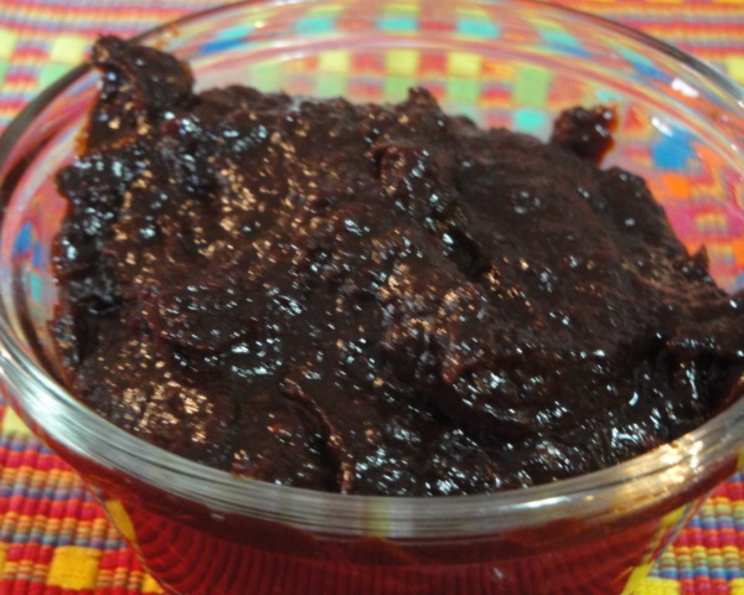
The Alluring Darkness: Mastering Salsa Negra
I remember my first taste of true Salsa Negra. It was in a tiny, unassuming taqueria in Oaxaca. The walls were painted a vibrant blue, the air thick with the aroma of sizzling meats and freshly pressed tortillas. I ordered a simple carne asada taco, and the woman behind the counter asked if I wanted “la salsa especial.” Intrigued, I nodded, and she drizzled a dark, almost menacing sauce over my taco. That first bite was an explosion of flavor: smoky, sweet, spicy, and utterly unforgettable. It wasn’t just a condiment; it was an experience, a culinary poem written in chilies and garlic. I’ve been chasing that taste ever since, and this recipe gets incredibly close to recreating that magic.
Recipe Overview: Salsa Negra
- Prep Time: 15 minutes
- Cook Time: 25 minutes
- Total Time: 40 minutes
- Yields: 2 cups
- Serves: 8
- Dietary Type: Vegan, Gluten-Free
Ingredients
- 2 ½ ounces piloncillo sugar or ⅓ cup dark brown sugar
- 1 ¼ cups water
- 50 (4 ounce) dried chipotles moritas chilies (small reddish-black chipotles)
- 2 cups oil (this amount will vary depending on the size of your pan)
- 3 garlic cloves, peeled
Equipment Needed
- Medium saucepan
- Large heavy knife or hammer (if using piloncillo)
- Large skillet or pan
- Slotted spoon
- Blender
- Fine-mesh strainer
Instructions
-
If you are using piloncillo, its rock-hard texture needs to be tamed! Break it into smaller pieces with a hammer or carefully cut it into chunks with a large heavy knife.
-
In a medium saucepan, combine the water and sugar (either piloncillo or dark brown sugar). Bring the mixture to a boil over medium-high heat. Once boiling, remove the saucepan from the heat and stir until the sugar is completely dissolved. Set the sugar syrup aside.
-
Pour oil into a large skillet or pan to a depth of about ¼ inch. Heat the oil over medium heat. You’ll know it’s ready when a stray drop of water flicked into the pan sizzles vigorously.
-
While the oil heats, prepare the chilies. Remove the stems from all 50 dried chipotles moritas chilies and discard them. We only want the flavorful flesh of the chilies for this salsa.
-
Carefully add about half of the chilies to the hot oil. Be cautious, as the oil may sputter when the chilies are added. Fry the chilies, stirring constantly, for about 2 minutes. They should begin to darken and release a toasty, smoky aroma. Be careful not to burn them.
-
Using a slotted spoon, remove the fried chilies from the hot oil and immediately place them into the saucepan containing the hot sugar water. The hot water will help to rehydrate the chilies and infuse them with sweetness.
-
Repeat steps 5 and 6 with the remaining chilies. Make sure all the chilies are submerged in the sugar water.
-
Now, pour off almost all of the oil from the skillet and discard it. Leave only a thin film of oil remaining in the pan – this will be used to fry the garlic.
-
In the same pan, over medium heat, fry the whole peeled garlic cloves in the thin film of oil. Cook for about 4 minutes, stirring occasionally, allowing the garlic to become golden brown but not burnt. Burnt garlic will impart a bitter taste to the salsa.
-
Transfer the chilies, garlic, and all of the sugar water to a blender. Puree the mixture until completely smooth. You may need to do this in batches, depending on the size of your blender.
-
Strain the pureed mixture through a fine-mesh strainer into a clean bowl. This step is essential for removing any hard seeds and tough bits of chili skin, resulting in a smooth, velvety sauce.
-
Heat the same pan (the one you used for frying) over medium-high heat. There might be enough residual oil left in the pan from frying the garlic. If not, add a teaspoon or two of fresh oil to prevent sticking.
-
When the pan is hot, carefully add the chili puree. Be prepared for it to sizzle and sputter! Stir constantly for about 1 minute.
-
Lower the heat to medium-low and continue cooking the salsa for about 20 minutes, stirring frequently. This simmering process is crucial for developing the deep, complex flavors of the Salsa Negra.
-
After 20 minutes, the sauce should be very thick (almost like tomato paste) and have a dark, shiny burgundy-black color. This indicates that the sauce has reached the desired consistency and flavor profile.
-
Remove from the heat and let cool slightly before serving.
Expert Tips & Tricks
- Chili Prep is Key: Ensure the stems are completely removed from the dried chilies for a smoother texture.
- Don’t Burn the Chilies: Watch the chilies carefully while frying. Burnt chilies will make the salsa bitter.
- Strain, Strain, Strain: Don’t skip the straining step! It’s essential for a smooth and luxurious texture.
- Adjust the Heat: For a milder salsa, remove some of the seeds from the chilies before frying. For more heat, add a few extra chilies.
- Make Ahead: The salsa can be made a day or two in advance. The flavors will meld and deepen as it sits.
Serving & Storage Suggestions
Salsa Negra is incredibly versatile. Serve it as a sauce with gorditas, shrimp, eggs, or anything else you desire. It’s also fantastic as a marinade for grilled meats.
Store leftover Salsa Negra in an airtight container in the refrigerator for up to a week. You can also freeze it for longer storage (up to 3 months). If frozen, thaw it completely before using. Reheat gently in a saucepan over low heat, stirring occasionally.
Nutritional Information
| Nutrient | Amount per Serving | % Daily Value |
|---|---|---|
| Calories | 100 kcal | 5% |
| Total Fat | 8g | 12% |
| Saturated Fat | 1g | 5% |
| Cholesterol | 0mg | 0% |
| Sodium | 10mg | 0% |
| Total Carbohydrate | 8g | 3% |
| Dietary Fiber | 2g | 8% |
| Sugars | 5g | – |
| Protein | 1g | 2% |
Variations & Substitutions
- Smoked Paprika: For an extra layer of smokiness, add a teaspoon of smoked paprika to the sauce while it simmers.
- Apple Cider Vinegar: A tablespoon of apple cider vinegar can add a tangy counterpoint to the sweetness of the sauce.
- Different Chilies: While Morita chilies are traditional, you can experiment with other dried chilies like pasilla or ancho chilies for a slightly different flavor profile. Adjust the quantity to control the heat level.
FAQs (Frequently Asked Questions)
Q: Can I use canned chipotles in adobo sauce instead of dried chilies?
A: Absolutely not! Canned chipotles in adobo have a completely different flavor profile and will not yield the same result. This recipe relies on the unique flavor of fried and simmered dried morita chilies.
Q: How can I tell if the chilies are burning while frying?
A: You’ll smell a sharp, acrid odor, and the chilies will start to turn black very quickly. Remove them from the heat immediately if this happens.
Q: My salsa is too thick. How can I thin it out?
A: Add a tablespoon or two of water at a time until you reach the desired consistency.
Q: Can I make this salsa spicier?
A: Yes! Add a pinch of cayenne pepper or a few dried chili flakes to the sauce while it simmers. You could also add a serrano pepper when blending the sauce.
Q: How long does the salsa last in the fridge?
A: Properly stored in an airtight container, Salsa Negra will last for up to a week in the refrigerator.
Final Thoughts
Salsa Negra is more than just a sauce; it’s a journey for your taste buds. The combination of smoky chilies, sweet piloncillo, and fragrant garlic creates a symphony of flavors that will elevate any dish. Don’t be intimidated by the dark color or the slightly unconventional process – this recipe is surprisingly easy to make, and the results are well worth the effort. I encourage you to try it and experience the alluring darkness of Salsa Negra for yourself. Share your creations and feedback – I’d love to hear how you’re using this incredible sauce!