
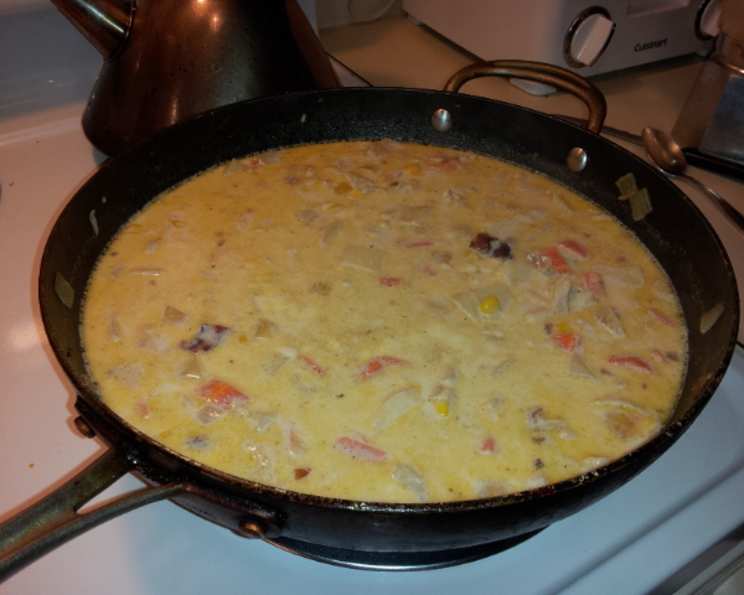
Salt Cod Chowder: A Taste of Tradition
The first time I tasted salt cod chowder, I was visiting my grandmother in Nova Scotia. The fog was so thick you could taste it, and the air hung heavy with the scent of the sea. Grandma, with her perpetually flour-dusted apron and a twinkle in her eye, ladled a steaming bowl of this creamy, comforting concoction. The slight saltiness of the cod, balanced by the sweetness of corn and the richness of the milk, was an epiphany. That bowl of chowder wasn’t just food; it was a warm embrace, a taste of home, and a connection to generations of maritime cooks.
Recipe Overview
- Prep Time: 24 hours, 30 minutes (includes soaking time)
- Cook Time: 30 minutes
- Total Time: 25 hours
- Servings: 8-10
- Yield: About 3 quarts
- Dietary Type: Pescatarian
Ingredients
- 1 lb salt cod fish
- ¼ cup fat salt pork, finely diced
- 1 medium onion, thinly sliced
- 3 cups raw potatoes, diced
- 1 cup raw carrot, diced
- 3 cups boiling water, or chicken broth
- 1 teaspoon salt, to taste
- ½ teaspoon freshly ground pepper
- 1 cup canned corn niblets, or hominy (I prefer hominy)
- 3 cups whole milk, heated
Equipment Needed
- Large bowl
- Stewing pot or Dutch oven
- Slotted spoon
Instructions
-
Begin by freshening the salt cod. Place the salt cod in a large bowl and cover with cold water. Soak in the refrigerator overnight, or for up to 24 hours, changing the water several times to remove excess salt. This step is crucial; the length of soaking time depends on the saltiness of the cod, so taste a small piece after soaking to ensure it’s palatable.
-
Drain the freshened salt cod, place it in a stewing pot, and cover with fresh water.
-
Bring to a simmer over low heat. Check to see if the fish is still too salty. If so, drain, add fresh cold water, and bring to a simmer again, then drain. Repeat this process if necessary until the desired salt level is achieved. This gentle simmering helps to further draw out the salt without toughening the fish.
-
In the same stewing pot, fry the salt pork over medium heat until crisp. The rendered fat will be the base of our flavorful chowder.
-
Remove the fried pork scraps with a slotted spoon and reserve for garnish. Set aside.
-
In the rendered pork fat, cook the onion until tender and translucent. This usually takes about 5-7 minutes. Stir frequently to prevent burning.
-
Add the diced potatoes, diced carrots, boiling water (or chicken broth), salt, and pepper to the pot.
-
Cook covered for about ten minutes, or until the vegetables are tender. A fork should easily pierce the potatoes and carrots.
-
Add the corn (or hominy – my personal favorite for its slightly chewy texture), heated milk, and the freshened salt cod to the pot. Gently break the salt cod into smaller, bite-sized pieces as you add it.
-
Bring the chowder to a simmering temperature, but do not boil. Boiling can cause the milk to curdle. Stir gently to combine all the ingredients and heat through. The chowder is ready when everything is heated through and the flavors have melded together, about 5-10 minutes.
-
Garnish with the reserved crisp pork scraps.
-
Serve hot, with freshly baked homemade bread or rolls and butter.
Expert Tips & Tricks
-
Don’t rush the soaking process. Proper soaking of the salt cod is essential to avoid an overly salty chowder. Taste it periodically during the soaking process to ensure you’ve removed enough salt.
-
Use good quality milk. The richness of whole milk contributes significantly to the overall flavor and texture of the chowder. You can also use half-and-half for an even creamier result, but avoid using skim milk, as it will result in a thinner, less flavorful chowder.
-
Don’t overcook the salt cod. Overcooked salt cod can become rubbery. Simmering it gently in the chowder for just a few minutes is all it needs to heat through and absorb the flavors.
-
Make it ahead. The flavors of this chowder meld beautifully over time. You can make it a day or two ahead and store it in the refrigerator.
-
Spice it up! If you like a little heat, add a pinch of red pepper flakes or a dash of hot sauce to the chowder.
Serving & Storage Suggestions
Serve the salt cod chowder hot, garnished with the crispy salt pork scraps. A sprinkle of fresh parsley or chives can also add a pop of color. Crusty bread or rolls are a must for soaking up the delicious broth.
Leftover chowder can be stored in an airtight container in the refrigerator for up to 3 days. Reheat gently over low heat, stirring occasionally, until heated through. Avoid boiling when reheating.
Chowder can also be frozen for longer storage. Allow the chowder to cool completely before transferring it to freezer-safe containers. Thaw overnight in the refrigerator before reheating. Be aware that the texture of the potatoes may change slightly after freezing and thawing.
Nutritional Information
| Nutrient | Amount per Serving | % Daily Value |
|---|---|---|
| Calories | 295.6 kcal | N/A |
| Calories from Fat | N/A | 15% |
| Total Fat | 7 g | 7% |
| Saturated Fat | 2.4 g | 12% |
| Cholesterol | 99.2 mg | 33% |
| Sodium | 4410.7 mg | 183% |
| Total Carbohydrate | 20.8 g | 6% |
| Dietary Fiber | 2.4 g | 9% |
| Sugars | 2.3 g | N/A |
| Protein | 40.7 g | 81% |
Note: Nutritional information is an estimate and may vary based on specific ingredients and preparation methods.
Variations & Substitutions
-
Smoked Salt Cod Chowder: Use smoked salt cod for a deeper, smoky flavor.
-
Spicy Salt Cod Chowder: Add a pinch of cayenne pepper or a few dashes of your favorite hot sauce to the chowder for a kick.
-
Vegetarian Chowder: While it wouldn’t be traditional, you could omit the salt pork for a vegetarian version and use olive oil instead. You could also add other vegetables like celery or fennel.
-
Dairy-Free Chowder: Substitute the whole milk with a plant-based milk alternative like oat milk or almond milk. Be mindful that these alternatives may alter the flavor and texture of the chowder slightly.
-
Seafood Medley: Add other types of seafood to the chowder, such as clams, shrimp, or scallops, for a more complex flavor profile.
FAQs (Frequently Asked Questions)
Q: How do I know if the salt cod is freshened enough?
A: After soaking, taste a small piece of the cod. It should still have a slight salty flavor, but not be overwhelmingly salty. If it’s still too salty, continue soaking and changing the water.
Q: Can I use regular cod instead of salt cod?
A: No, salt cod has a unique flavor and texture that is essential to the dish. Regular cod will not provide the same result.
Q: Can I freeze this chowder?
A: Yes, you can freeze salt cod chowder. Allow it to cool completely before transferring it to freezer-safe containers. Thaw overnight in the refrigerator before reheating. Be aware that the texture of the potatoes may change slightly after freezing and thawing.
Q: What can I serve with salt cod chowder?
A: Salt cod chowder is traditionally served with crusty bread or rolls and butter. A simple green salad or coleslaw also makes a great accompaniment.
Q: I don’t like hominy. Can I substitute something else?
A: Absolutely! If you don’t care for hominy, you can easily substitute canned corn niblets.
Final Thoughts
Salt Cod Chowder is more than just a recipe; it’s a journey through culinary history and a warm, comforting embrace in a bowl. It’s a dish that connects you to the sea, to tradition, and to the simple pleasure of sharing good food with loved ones. Don’t be intimidated by the salt cod; the soaking process is straightforward, and the resulting flavor is well worth the effort. Gather your ingredients, follow the steps, and prepare to be transported to a cozy coastal kitchen with every spoonful. I encourage you to try this recipe, share your feedback, and perhaps pair it with a crisp white wine for the ultimate culinary experience. Enjoy!