
Salt Crusted Whole Fish: A Culinary Adventure
The first time I tasted salt-crusted fish, I was a young cook working a summer in a tiny trattoria on the Amalfi Coast. The simplicity of the dish, the drama of cracking open the salty shell, and the delicate, perfectly cooked fish inside – it all felt like culinary magic. The aroma of the sea infused every bite, transporting me to the sun-drenched shores of Italy. Now, years later, I still recreate that experience whenever I want to impress guests with minimal effort and maximum impact.
Recipe Overview
- Prep Time: 20 minutes
- Cook Time: 18-20 minutes
- Total Time: Approximately 40 minutes
- Servings: 2
- Yield: 1 whole fish
- Dietary Type: Pescatarian
Ingredients
- 3 egg whites
- 2 cups sea salt
- 2 cups all-purpose flour
- 3 tablespoons Italian parsley, chopped and divided
- ½ cup water
- 1 (2 ½ lb) fresh whole white fish, such as striped bass
- 2 tablespoons sun-dried tomatoes, julienned
- 1 tablespoon kalamata olives, chopped
- 2 tablespoons artichoke hearts, chopped
- 2 lemons, sliced in half, plus more for garnish
- 1 tablespoon garlic, minced
- ½ teaspoon cracked black pepper
Equipment Needed
- Baking sheet
- Parchment paper
- Medium mixing bowl
- Large knife
Instructions
-
Begin by preheating your oven to 400 degrees F (200 degrees C). This high heat is essential for creating a sturdy, golden-brown crust.
-
Prepare your baking sheet by lining it with parchment paper. Be sure to trim the paper so that it extends approximately 3 inches in diameter around the outside of where the fish will sit. This will help with easy transfer later.
-
In a medium bowl, create the salt crust mixture. Combine the egg whites, sea salt, flour, and 2 tablespoons of the chopped Italian parsley. Gradually add the water. Use your hands to thoroughly mix until a thick, pliable paste forms. The consistency should be similar to modeling clay.
-
Now, prepare the fish. Gently open the cavity of the fish and stuff it with the sun-dried tomatoes, olives, artichoke hearts, and lemon slices. These ingredients will infuse the fish with a wonderful Mediterranean flavor as it bakes.
-
Rub the exterior of the fish with the minced garlic. Then, sprinkle generously with the remaining 1 tablespoon of chopped Italian parsley and the cracked black pepper.
-
Place the prepared fish on the parchment-lined baking sheet.
-
Take the salt paste you made earlier and evenly mound it over the entire fish. Ensure the entire fish is covered, pressing the mixture firmly down to the baking sheet. Be meticulous in sealing any cracks or openings in the salt crust. This is crucial for trapping moisture and steaming the fish from within.
-
Bake the fish in the preheated oven until the crust is a rich, golden brown color and feels very firm to the touch. This should take approximately 18 to 20 minutes. The cooking time may vary slightly depending on the thickness of the fish, so keep a close eye on it.
-
Once cooked, carefully slide the parchment paper, with the fish still encased in its salt crust, onto a serving platter or cutting board.
-
Now for the dramatic reveal! Using the handle of a large knife, firmly crack open the salt crust. You can also use a spoon to gently tap around the edges of the crust to loosen it.
-
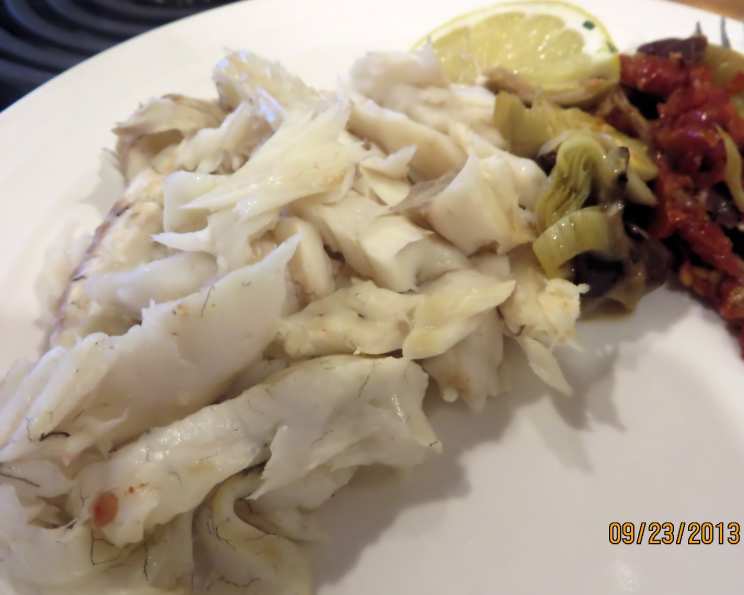
Carefully slide a spoon under the top fillet of the fish, working your way over the spine. Gently lift the fillet and transfer it to a serving platter.
-
Turn the fish over and repeat the process to remove the second fillet.
-
Garnish the fillets with fresh lemon slices and serve immediately. The presentation is as important as the taste!
Expert Tips & Tricks
- Fish Selection: Choose a fresh, high-quality white fish with firm flesh, such as striped bass, snapper, or branzino. The fresher the fish, the better the flavor.
- Salt Quality: Use coarse sea salt for the best results. Table salt can dissolve too quickly and create an overly salty crust.
- Aromatic Additions: Experiment with adding other herbs and spices to the salt crust mixture, such as rosemary, thyme, or lemon zest.
- Crust Consistency: The salt crust paste should be thick enough to hold its shape but not so dry that it crumbles. Adjust the water amount as needed to achieve the right consistency.
- Doneness Check: The fish is cooked when it flakes easily with a fork and the internal temperature reaches 145°F (63°C).
Serving & Storage Suggestions
Serve the salt-crusted fish immediately after cracking the crust to enjoy the freshest flavor and aroma. Garnish with lemon wedges and fresh herbs. It pairs perfectly with a simple green salad, roasted vegetables, or crusty bread.
Leftovers can be stored in an airtight container in the refrigerator for up to 2 days. However, the fish will lose some of its moisture and flavor. Reheat gently in a low oven (around 250°F/120°C) until warmed through. Avoid microwaving, as this can make the fish rubbery.
Nutritional Information
| Nutrient | Amount per Serving | % Daily Value |
|---|---|---|
| Calories | 511 kcal | – |
| Total Fat | 18 g | 4% |
| Saturated Fat | 0.3 g | 1% |
| Cholesterol | 0 mg | 0% |
| Sodium | 111820 mg | 4659% |
| Total Carbohydrate | 101.8 g | 33% |
| Dietary Fiber | 5.4 g | 21% |
| Sugars | 2.3 g | 9% |
| Protein | 19.7 g | 39% |
Please note that nutritional information is an estimate and can vary based on specific ingredients and portion sizes.
Variations & Substitutions
- Gluten-Free: Substitute the all-purpose flour with a gluten-free flour blend for a gluten-free version.
- Herb Variations: Use different combinations of herbs in the salt crust and fish cavity, such as dill, oregano, or chives.
- Citrus Infusion: Add orange or grapefruit slices to the fish cavity for a different citrus flavor.
- Spice It Up: Include a pinch of red pepper flakes in the fish cavity for a hint of heat.
FAQs (Frequently Asked Questions)
Q: Can I use table salt instead of sea salt?
A: While you can, sea salt is preferred. Its coarser texture creates a better crust and prevents the fish from becoming overly salty.
Q: How do I know when the fish is cooked through?
A: The fish is done when the crust is golden brown and firm, and the internal temperature reaches 145°F (63°C). The flesh should flake easily with a fork.
Q: Will the fish be too salty?
A: No, the salt crust creates a sealed environment that steams the fish, preventing it from absorbing excess salt.
Q: Can I use a different type of fish?
A: Yes, any whole white fish with firm flesh, such as snapper, branzino, or cod, will work well.
Q: Can I prepare the salt crust ahead of time?
A: It’s best to prepare the salt crust just before cooking, as it can dry out if left to sit for too long.
Final Thoughts
Salt-crusted fish is more than just a recipe; it’s an experience. It’s the anticipation of cracking open the crust, the burst of aroma as the steam escapes, and the delicate flavor of perfectly cooked fish. I encourage you to try this recipe and share the magic with your family and friends. Serve it with a crisp white wine and a simple salad for a memorable meal. Don’t be afraid to experiment with different herbs and spices to create your own unique flavor combination. Let me know how it turns out!