
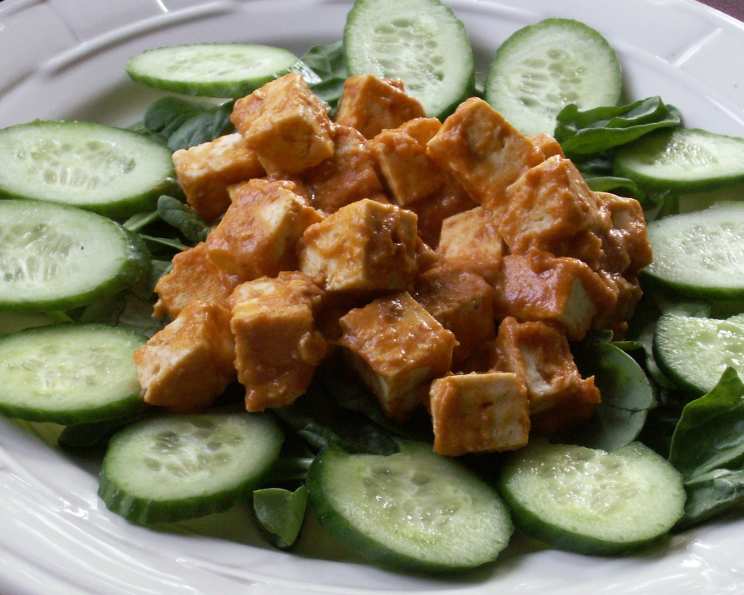
Salt-Free Peanut Satay Sauce: A Culinary Journey
The memory is etched in my mind: the bustling night markets of Kuala Lumpur, the air thick with the aroma of exotic spices, and the hypnotic sizzle of street food carts. It was there, amidst the symphony of flavors, that I first encountered the magic of satay. The perfectly grilled skewers, tender and infused with smoky goodness, were made transcendent by the accompanying peanut sauce – a creamy, savory, and utterly addictive concoction. But sometimes, health calls for a little restraint. This salt-free peanut satay sauce captures the essence of that unforgettable experience, while allowing those on low-sodium diets to indulge without compromise.
Recipe Overview
- Prep Time: 5 minutes
- Cook Time: 0 minutes
- Total Time: 5 minutes
- Yields: 1 cup
- Serves: 4
- Dietary Type: Vegan, Gluten-Free (check peanut butter and tomato paste labels)
Ingredients
- 2 tablespoons brown sugar
- 2 teaspoons brown sugar
- ¼ cup white wine vinegar
- 2 tablespoons sodium-free peanut butter (may increase to 3 tablespoons)
- 2 tablespoons sodium-free tomato paste
- 2 tablespoons water
- 1 large garlic clove, chopped (may increase to 2 or 3 cloves)
- ¼ cup coconut milk
Equipment Needed
- Blender or food processor
- Measuring spoons and cups
- Bowl
Instructions
- Begin by gathering all your ingredients. Precise measurements are key to achieving the perfect balance of flavors.
- In a blender or food processor, combine the brown sugar, white wine vinegar, sodium-free peanut butter, sodium-free tomato paste, water, and chopped garlic clove.
- Process the mixture until it is completely smooth and creamy. This step is crucial for achieving that signature satay sauce texture. If the mixture seems too thick, add a teaspoon of water at a time until the desired consistency is reached.
- Transfer the blended sauce to a bowl.
- Gently stir in the coconut milk until it is fully incorporated. The coconut milk adds a subtle sweetness and richness that elevates the sauce to another level.
- Taste and adjust the seasonings as needed. Remember, this is a salt-free recipe, so don’t be tempted to add salt. Instead, consider adding a pinch of red pepper flakes for heat or a squeeze of lime juice for acidity.
- If you are not using the sauce immediately, store it in the refrigerator in an airtight container.
Expert Tips & Tricks
- Peanut Butter Power: The quality of your peanut butter significantly impacts the final flavor. Opt for a natural, sodium-free peanut butter with a rich, roasted peanut flavor.
- Garlic Intensity: Adjust the amount of garlic to your liking. If you prefer a milder flavor, use only one clove. For a more intense garlic kick, use two or even three. Mince the garlic finely or use a garlic press to ensure even distribution of flavor.
- Sweetness Control: Two different measurements of brown sugar may seem odd, but it’s all about layering the sweetness. Taste after the first addition and adjust based on your peanut butter. Some natural peanut butters are more bitter than others.
- Spice it Up: For a spicy satay sauce, add a pinch of red pepper flakes or a few drops of your favorite hot sauce. Start with a small amount and add more to taste.
- Thickening Secrets: If you prefer a thicker sauce, you can add a teaspoon of cornstarch or tapioca starch to the blender along with the other ingredients.
- Make-Ahead Magic: This sauce can be made ahead of time and stored in the refrigerator for up to a week. The flavors will actually meld and deepen over time, making it even more delicious.
- Nut-Free Option: While it won’t be traditional satay, you can experiment with sunflower seed butter or tahini as a peanut butter substitute for those with allergies. Note that this will drastically alter the flavor profile.
Serving & Storage Suggestions
This salt-free peanut satay sauce is incredibly versatile. It’s the perfect accompaniment to grilled chicken or beef skewers, but it can also be used as a dipping sauce for spring rolls, vegetables, or even tofu.
- Serving: Serve the sauce at room temperature or slightly warmed. Garnish with chopped peanuts, cilantro, or a drizzle of coconut milk for an extra touch of elegance.
- Storage: Store leftover sauce in an airtight container in the refrigerator for up to 5 days.
- Reheating: If the sauce has thickened in the refrigerator, simply add a tablespoon or two of water and stir until smooth. You can also gently warm the sauce in a saucepan over low heat. Do not boil.
- Freezing: While freezing is possible, it may slightly alter the texture of the sauce. If freezing, store in an airtight container for up to 2 months. Thaw in the refrigerator overnight before using.
Nutritional Information
(Estimated per serving)
| Nutrient | Amount per Serving | % Daily Value |
|---|---|---|
| Calories | 71.5 kcal | – |
| Calories from Fat | 29 g | – |
| Total Fat | 3.3 g | 5% |
| Saturated Fat | 2.9 g | 14% |
| Cholesterol | 0 mg | 0% |
| Sodium | 13.1 mg | 0% |
| Total Carbohydrate | 10.8 g | 3% |
| Dietary Fiber | 0.4 g | 1% |
| Sugars | 10 g | 40% |
| Protein | 0.6 g | 1% |
Variations & Substitutions
- Spice Level: Adjust the amount of red pepper flakes or hot sauce to control the heat level.
- Sweetness: If you prefer a sweeter sauce, add a touch of honey or maple syrup.
- Acidity: A squeeze of lime juice or a splash of rice vinegar can add a bright, tangy note.
- Creaminess: For an even richer sauce, use full-fat coconut milk.
- Nut-Free: Substitute the peanut butter with sunflower seed butter or tahini, keeping in mind the flavour profile will change.
- Add heat: Add a chopped chili, or a dash of chili oil for added heat.
FAQs (Frequently Asked Questions)
Q: Can I use regular peanut butter instead of sodium-free?
A: While you can, the sodium content will significantly increase. If you’re following a low-sodium diet, sticking to sodium-free is best.
Q: Can I make this sauce without a blender?
A: Yes, but it will require more effort. Finely mince the garlic and whisk all ingredients together vigorously until smooth. The texture may not be as creamy as with a blender.
Q: How long does this sauce last?
A: In the refrigerator, stored in an airtight container, it will last for up to 5 days.
Q: Can I add soy sauce for flavor?
A: If you’re not on a low-sodium diet, you can add a small amount of low-sodium soy sauce to taste. Start with a teaspoon and adjust accordingly.
Q: What can I serve with this sauce besides satay?
A: This sauce is delicious with spring rolls, grilled vegetables, noodles, tofu, or as a salad dressing.
Final Thoughts
This salt-free peanut satay sauce is a testament to the fact that flavorful, satisfying food can be enjoyed by everyone, regardless of dietary restrictions. It’s a versatile recipe, easily adaptable to your personal preferences and dietary needs. So, gather your ingredients, fire up the grill, and transport yourself to the vibrant streets of Southeast Asia with every delicious bite. I encourage you to try this recipe and share your feedback. Experiment with the variations, find your perfect balance of flavors, and most importantly, enjoy the journey!