
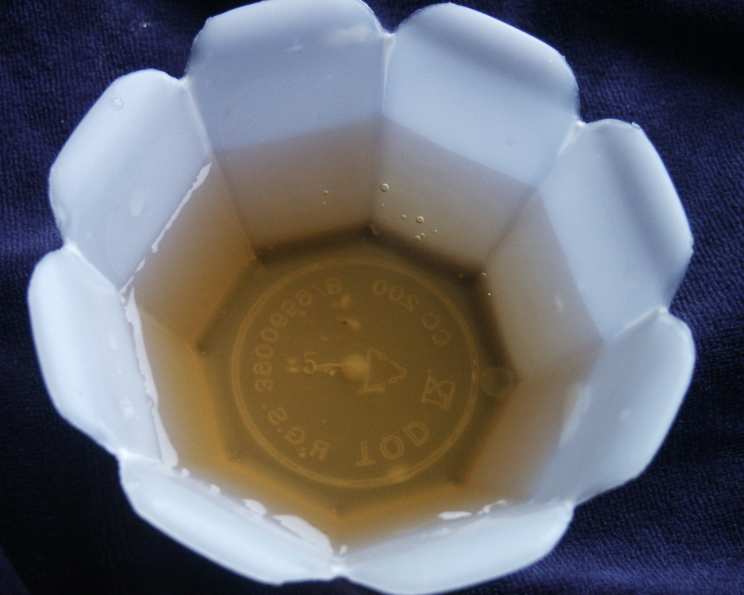
The Secret Weapon: Mastering Salt-Free Sweetened Rice Vinegar
For years, I struggled to replicate the delicate balance of flavors I experienced in my favorite sushi restaurants. The rice was always perfect, subtly sweet and tangy without being overpowering. I spent countless hours experimenting with different vinegars, sugars, and salts, but nothing quite captured that elusive essence. Then, a seasoned sushi chef shared a simple yet revolutionary tip: create your own salt-free sweetened rice vinegar. It was a revelation, allowing me to perfectly control the sweetness and acidity, resulting in sushi rice (and countless other dishes) that tasted exactly as I envisioned. This recipe is the culmination of that journey, a testament to the power of fresh, homemade ingredients.
Recipe Overview
- Prep Time: 5 minutes
- Cook Time: 0 minutes
- Total Time: 5 minutes
- Yields: 1/2 cup
- Serves: 8
- Dietary Type: Vegan, Gluten-Free, Low Sodium
Ingredients
- 1/2 cup rice vinegar
- 4 teaspoons sugar (or artificial sweetener to taste)
Equipment Needed
- Small mixing bowl
- Whisk or spoon
Instructions
-
In a small mixing bowl, pour in 1/2 cup of rice vinegar.
-
Add 4 teaspoons of sugar (or your preferred amount of artificial sweetener) to the rice vinegar.
-
Using a whisk or spoon, mix the sugar and vinegar thoroughly until the sugar (or artificial sweetener) is completely dissolved. Ensure no granules remain at the bottom of the bowl. The mixture should appear clear and homogeneous.
Expert Tips & Tricks
- Adjust the sweetness to your preference: Start with the suggested amount of sugar and taste. If you prefer a sweeter vinegar, add more sugar gradually, a half-teaspoon at a time, until you achieve your desired taste. Conversely, reduce the amount of sweetener if you prefer a more tart flavor.
- Use high-quality rice vinegar: The flavor of your vinegar will be heavily influenced by the quality of the rice vinegar you use. Opt for a good quality, unseasoned rice vinegar for the best results. Experiment with different brands to find one you enjoy.
- Microwave to speed up dissolving (optional): If you are using granulated sugar and want to speed up the dissolving process, you can microwave the mixture for about 10-15 seconds. Be careful not to overheat it. After microwaving, stir well to ensure all the sugar is dissolved.
- Use powdered sugar for quicker dissolving: Instead of granulated sugar, consider using powdered sugar. It dissolves almost instantly in the rice vinegar, eliminating the need for extensive mixing.
- Infuse with flavor: For a unique twist, consider infusing the rice vinegar with other flavors. Add a small piece of ginger, a few slices of lemon, or a vanilla bean to the mixture and let it sit for a few hours (or overnight) before removing the flavoring agents. This will impart subtle and complex notes to your vinegar.
- Make it ahead: This salt-free sweetened rice vinegar can be made ahead of time and stored in an airtight container in the refrigerator. This is especially helpful if you’re preparing for a large meal or want to have it on hand for quick and easy use.
- Artificial sweetener considerations: When using artificial sweeteners, be mindful of the specific type and its sweetness level compared to sugar. Start with a smaller amount than the recipe suggests and gradually add more until you reach your desired sweetness. Some artificial sweeteners may have a slightly different aftertaste.
Serving & Storage Suggestions
This salt-free sweetened rice vinegar is incredibly versatile. It’s a staple for making sushi rice, adding a balanced sweet and tangy flavor. It’s also excellent as a component in salad dressings, providing a delicate acidity without the sharpness of other vinegars. Use it to brighten up stir-fries, marinades, and pickled vegetables.
To store, transfer the prepared vinegar to an airtight container (a glass jar works well) and refrigerate. It will keep well for up to a month. There’s no need to reheat it before use; simply take it out of the refrigerator when needed.
Nutritional Information
| Nutrient | Amount per Serving | % Daily Value |
|---|---|---|
| Calories | 8.1 kcal | N/A |
| Total Fat | 0 g | 0% |
| Saturated Fat | 0 g | 0% |
| Cholesterol | 0 mg | 0% |
| Sodium | 0 mg | 0% |
| Total Carbohydrate | 2.1 g | 0% |
| Dietary Fiber | 0 g | 0% |
| Sugars | 2.1 g | N/A |
| Protein | 0 g | 0% |
Note: Nutritional information is an estimate and may vary based on specific ingredients and serving sizes.
Variations & Substitutions
- Honey-Sweetened Vinegar: Replace the sugar with an equal amount of honey for a different flavor profile. The honey will add a richer, floral sweetness to the vinegar.
- Maple-Sweetened Vinegar: Substitute the sugar with maple syrup for a subtle caramel flavor. Use pure maple syrup for the best results.
- Coconut Sugar Vinegar: For a lower glycemic index option, use coconut sugar instead of regular sugar. Coconut sugar has a slightly nutty flavor.
- Infused with Herbs: Add fresh herbs like mint, basil, or cilantro to the vinegar while it’s steeping for an aromatic twist. Muddle the herbs lightly to release their oils before adding them to the vinegar.
- Spicy Vinegar: Add a pinch of red pepper flakes or a small piece of finely chopped chili pepper to the vinegar for a spicy kick.
- Fruit-Infused Vinegar: Add a few slices of strawberry, raspberry, or blueberry to the vinegar for a fruity and vibrant flavor.
- Citrus Zest: Grate the zest of a lemon, lime, or orange into the vinegar for a bright and zesty aroma.
FAQs (Frequently Asked Questions)
Q: Why make salt-free sweetened rice vinegar instead of buying it?
A: Store-bought seasoned rice vinegar often contains high levels of sodium and sometimes unwanted additives. Making your own allows you to control the ingredients, sweetness level, and eliminate sodium altogether, making it a healthier option.
Q: Can I use brown rice vinegar instead of regular rice vinegar?
A: Yes, you can use brown rice vinegar, but it will have a slightly stronger, more complex flavor than regular rice vinegar. Adjust the amount of sweetener to taste, as brown rice vinegar can be a bit more acidic.
Q: How long will the salt-free sweetened rice vinegar last in the refrigerator?
A: Properly stored in an airtight container in the refrigerator, this vinegar will last for up to one month.
Q: Can I use this vinegar for pickling vegetables?
A: Absolutely! This salt-free sweetened rice vinegar is excellent for pickling vegetables. However, you may need to add salt separately to the pickling brine, depending on the recipe you are using.
Q: Is it necessary to dissolve the sugar completely?
A: Yes, it’s important to ensure the sugar is fully dissolved. Undissolved sugar granules will affect the texture and flavor of the final product.
Final Thoughts
Creating your own salt-free sweetened rice vinegar is a simple yet transformative skill that unlocks a world of flavor possibilities. Whether you’re aiming for authentic sushi rice, a light and refreshing salad dressing, or a vibrant marinade, this versatile condiment will elevate your culinary creations. Don’t be afraid to experiment with different sweeteners and flavor infusions to find your perfect balance. I encourage you to try this recipe and share your own personalized variations – the possibilities are endless!