
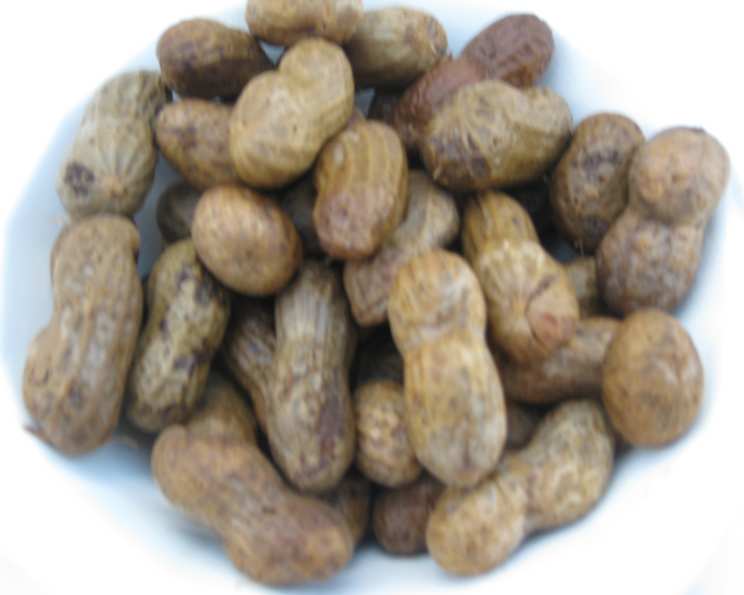
Southern Comfort: Mastering the Art of Salted Boiled Peanuts
I can almost smell it now – the humid summer air, the distant sound of crickets, and that unmistakable aroma of simmering peanuts wafting from a colossal pot on the porch. My grandfather, a true son of Georgia, would spend hours tending to his peanut brew, a ritual passed down through generations. We’d gather around, sticky-fingered and impatient, waiting for the first batch, cracking open the soft shells to reveal the salty, briny treasure within. It’s a taste that instantly transports me back to childhood, to simpler times, and to the heart of Southern hospitality.
Recipe Overview
- Prep Time: 10 minutes
- Cook Time: 3 hours
- Total Time: 3 hours 10 minutes
- Servings: 10-12
- Yield: Varies depending on peanut size
- Dietary Type: Vegan, Gluten-Free
Ingredients
- 4 lbs raw peanuts, still inside the shell
- 10 ounces salt
- Water
Equipment Needed
- Large stockpot (at least 8-quart)
- Colander or strainer
- Large spoon or ladle
Instructions
- Begin by thoroughly rinsing the raw peanuts in a sink filled with cool water. This is crucial to remove any dirt, debris, or field residue clinging to the shells. Drain the peanuts well after rinsing.
- Transfer the rinsed peanuts to a large stockpot. Choose a pot that leaves ample space at the top – roughly 4 to 6 inches – to prevent boil-over during cooking.
- Cover the peanuts completely with water. Add enough water so that the peanuts float, reaching to within approximately 2 inches from the top edge of the pot. The peanuts will absorb a significant amount of water as they cook.
- Now, it’s time to add the salt. Don’t be shy! The salt is essential for both flavoring and preserving the peanuts. Sprinkle the 10 ounces of salt evenly over the water. The beauty of this recipe is that the peanuts will only absorb the amount of salt they need, so a generous hand is perfectly acceptable.
- Bring the water to a rigorous boil over high heat. Once boiling, reduce the heat slightly to maintain a strong, rolling boil. Continue to boil the peanuts until they reach your desired level of softness. The cooking time can vary depending on the maturity and variety of the peanuts, but expect it to take around 3 hours.
- The cooking process is best done outside, especially if you are using a gas burner, as it can create a lot of steam. This isn’t strictly necessary, but it can help to keep your kitchen from becoming overly humid.
- Once the peanuts are cooked to your liking, turn off the heat and allow them to absorb the brine for an extended period. This step is critical for developing the characteristic salty flavor of boiled peanuts. The longer they soak, the saltier they become. Start with about 1 hour, then taste a peanut and continue soaking until you reach your preferred saltiness. This can take anywhere from an additional 30 minutes to several hours.
- Finally, drain the boiled peanuts in a colander or strainer. Serve them immediately, while they are still warm, or allow them to cool slightly.
Expert Tips & Tricks
- Peanut Quality Matters: Use fresh, “green” or raw peanuts for the best results. Avoid using roasted peanuts, as they will not absorb the brine properly.
- Don’t Skimp on the Salt: While it may seem like a lot, the salt is crucial for the flavor and preservation of the peanuts. The peanuts will only absorb what they need, so be generous. You can always add more salt during the soaking process if necessary.
- Submerge the Peanuts: During the cooking process, some peanuts may float to the surface. To ensure even cooking, try placing a heavy plate or lid on top of the peanuts to keep them submerged in the brine.
- Taste Test Frequently: The cooking time can vary depending on the peanuts, so it’s important to taste-test them frequently. The peanuts should be soft and easily pierced with a fork.
- Spice It Up: For a spicier version, add a few dried chili peppers or a dash of hot sauce to the boiling water.
- Brine Adjustment: If you find the peanuts are not salty enough after the initial soaking period, you can add more salt to the brine and continue soaking. Conversely, if they are too salty, drain some of the brine and add fresh water.
Serving & Storage Suggestions
Serve boiled peanuts warm, straight from the pot. The traditional way to eat them is to crack open the shell and slurp out the salty, juicy peanuts. Discard the shells.
Storage:
- Room Temperature: Boiled peanuts can be stored at room temperature for a few hours, but they are best consumed fresh.
- Refrigerator: Store cooled boiled peanuts in an airtight container in the refrigerator for up to 5 days.
- Freezer: For longer storage, freeze boiled peanuts in freezer bags or airtight containers. They can be frozen for up to 3 months.
Reheating:
- Microwave: Reheat refrigerated or frozen boiled peanuts in the microwave for a few minutes, until heated through.
- Steaming: Steam boiled peanuts in a steamer basket over boiling water for a few minutes to reheat.
- Oven: Reheat boiled peanuts in a preheated oven at 350°F (175°C) for 10-15 minutes.
Nutritional Information
| Nutrient | Amount per Serving | % Daily Value |
|---|---|---|
| Calories | 1030 kcal | N/A |
| Calories from Fat | 804 kcal | N/A |
| Total Fat | 89g | 137% |
| Saturated Fat | 12g | 62% |
| Cholesterol | 0mg | 0% |
| Sodium | 11106mg | 462% |
| Total Carbohydrate | 29g | 9% |
| Dietary Fiber | 15g | 61% |
| Sugars | 7g | N/A |
| Protein | 47g | 93% |
Note: Nutritional information is an estimate and may vary based on specific ingredients and preparation methods. Sodium content is very high due to the amount of salt used in the brine.
Variations & Substitutions
- Spicy Boiled Peanuts: Add a few dried chili peppers, a dash of cayenne pepper, or your favorite hot sauce to the boiling water for a spicy kick.
- Cajun Boiled Peanuts: Incorporate Cajun seasoning blend into the brine for a flavorful twist.
- Smoked Boiled Peanuts: Add a teaspoon of liquid smoke to the brine for a smoky flavor.
- Herb-Infused Boiled Peanuts: Include fresh herbs like thyme, rosemary, or bay leaves to the boiling water for an aromatic variation.
- Lower Sodium Option: While not traditional, you can reduce the amount of salt slightly. However, be aware that this will affect the flavor and preservation of the peanuts.
- Vegetable Broth: Substitute some of the water with vegetable broth for added depth of flavor.
FAQs (Frequently Asked Questions)
Q: What are “green” peanuts?
A: Green peanuts are freshly harvested, raw peanuts that have not been dried or roasted. They are essential for making boiled peanuts because they readily absorb the salty brine.
Q: How do I know when the boiled peanuts are done?
A: The peanuts are done when they are soft and easily pierced with a fork. The cooking time can vary, so taste-testing is crucial.
Q: Can I use dry roasted peanuts for this recipe?
A: No, dry roasted peanuts are not suitable for making boiled peanuts. They will not absorb the brine properly and will result in a disappointing texture.
Q: Why is there so much salt in the recipe?
A: The high concentration of salt is necessary for both flavoring and preserving the peanuts. The peanuts will only absorb the amount of salt they need.
Q: How long can I store boiled peanuts?
A: Boiled peanuts can be stored in the refrigerator for up to 5 days or in the freezer for up to 3 months.
Final Thoughts
Boiled peanuts are more than just a snack; they’re a symbol of Southern hospitality and a taste of home. Don’t be intimidated by the long cooking time – the process is simple, and the results are well worth the effort. Gather your ingredients, find a comfortable spot on the porch, and prepare to savor the unique and unforgettable flavor of perfectly salted boiled peanuts. I encourage you to try this recipe and share your own experiences and variations. Maybe pair them with a cold glass of sweet tea for the ultimate Southern experience! Happy cooking!