
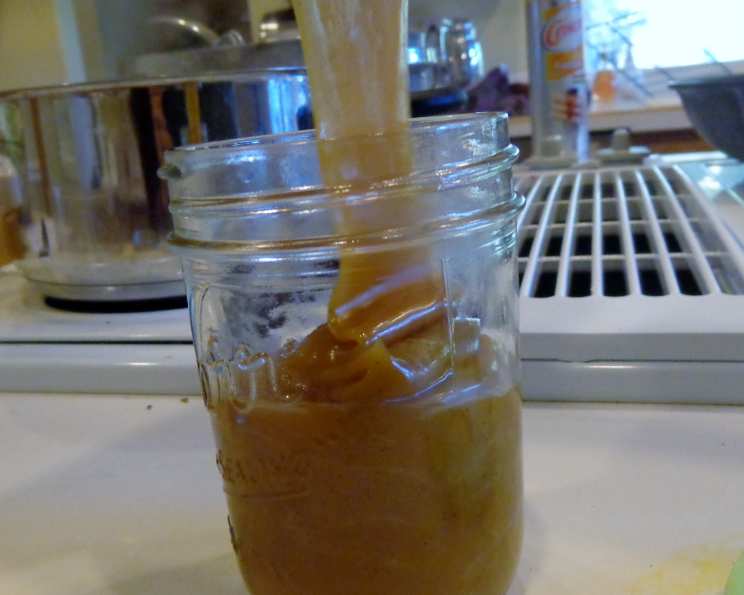
Salted Vanilla Bean Caramel: Liquid Gold from King Arthur
My grandmother, a woman whose wisdom was as vast as her collection of cookbooks, always said, “A little bit of indulgence is good for the soul.” She wasn’t wrong. I remember one particular summer afternoon, sneaking spoonfuls of her homemade caramel sauce straight from the jar when she wasn’t looking. The intense sweetness, balanced by a subtle saltiness, was pure bliss. This Salted Vanilla Bean Caramel from King Arthur Flour takes me right back to those sun-drenched days, offering a taste of nostalgia in every decadent bite. It’s far more than a sauce; it’s edible comfort.
Recipe Overview
- Prep Time: 5 minutes
- Cook Time: 35 minutes
- Total Time: 40 minutes
- Yields: 1 cup
- Serves: 8
- Dietary Type: Vegetarian
Ingredients
- 1 pound caramel, preferably from a block
- 1 tablespoon vanilla bean paste
- ½ teaspoon sea salt
- ¼ cup heavy cream
Equipment Needed
- Large saucepan
- Heat-resistant spatula or wooden spoon
- Jars or airtight containers for storage
Instructions
- In a large saucepan, combine the caramel, vanilla bean paste, sea salt, and heavy cream.
- Place the saucepan over medium heat. It’s crucial to use medium heat to prevent the caramel from scorching. Patience is key here!
- Stir the mixture frequently and consistently. This is essential for even melting and to prevent sticking and burning on the bottom of the pan. Continue heating until the caramel has completely liquefied and all the ingredients have blended together into a smooth, homogenous sauce.
- Once the sauce is smooth and glossy, remove it from the heat.
- Carefully transfer the hot caramel sauce to jars or airtight containers. Be extremely cautious, as the caramel is very hot and can cause severe burns.
- Allow the sauce to cool completely before sealing the jars. The caramel will thicken slightly as it cools.
Expert Tips & Tricks
- Choosing Your Caramel: The quality of your caramel directly impacts the final flavor. Opt for a high-quality caramel, preferably one from a block, rather than individually wrapped candies. Pre-made caramel baking squares often contain stabilizers that can affect the texture of the finished sauce.
- Vanilla Bean Paste vs. Extract: While vanilla extract can be substituted, vanilla bean paste provides a more intense vanilla flavor and those beautiful flecks of vanilla bean that add a visual appeal.
- Salt Selection: The type of salt you use matters. Sea salt (such as Maldon) with its larger crystals offers a more pronounced salty bite that complements the sweetness of the caramel. Table salt can be used in a pinch, but reduce the amount slightly as it’s more concentrated.
- Avoiding Scorching: The key to preventing scorching is to maintain a medium heat and stir constantly. If you notice the caramel beginning to stick or burn, immediately remove the pan from the heat and stir vigorously. You can also add a tablespoon or two of additional heavy cream to help thin the mixture and prevent further scorching.
- Troubleshooting a Grainy Sauce: If your caramel sauce turns grainy, it’s likely due to sugar crystallization. Adding a tablespoon of lemon juice or corn syrup at the beginning of the cooking process can help prevent this. If graininess occurs, try adding a tablespoon more of heavy cream and stirring vigorously over low heat until smooth.
- Make-Ahead Magic: This caramel sauce can be made several days in advance. Simply store it in an airtight container in the refrigerator and gently reheat it before serving.
Serving & Storage Suggestions
This Salted Vanilla Bean Caramel is incredibly versatile. Here are a few serving suggestions:
- Drizzle: Drizzle generously over ice cream, brownies, cakes, or waffles.
- Dip: Serve as a dip for apples, pears, or pretzels.
- Spread: Spread on toast, biscuits, or pancakes.
- Gourmet Touch: As King Arthur Flour suggests, serve with brie and toasted baguette slices for a sophisticated appetizer.
Storage:
- Room Temperature: The caramel sauce can be stored at room temperature for up to 2 days in an airtight container.
- Refrigerator: For longer storage, refrigerate in an airtight container for up to 2 weeks. The sauce will thicken considerably when chilled.
- Reheating: To reheat, gently warm the caramel sauce in a saucepan over low heat, stirring constantly, or microwave in 15-second intervals, stirring in between, until smooth and pourable.
Nutritional Information
| Nutrient | Amount per Serving | % Daily Value |
|---|---|---|
| Calories | 242 kcal | N/A |
| Calories from Fat | 66 kcal | 27% |
| Total Fat | 7.3 g | 11% |
| Saturated Fat | 3.1 g | 15% |
| Cholesterol | 14.2 mg | 4% |
| Sodium | 287.2 mg | 11% |
| Total Carbohydrate | 43.9 g | 14% |
| Dietary Fiber | 0 g | 0% |
| Sugars | 37.2 g | 148% |
| Protein | 2.8 g | 5% |
Note: Nutritional information is an estimate and may vary based on specific ingredients used.
Variations & Substitutions
- Spiced Caramel: Add a pinch of cinnamon, nutmeg, or cardamom to the caramel while cooking for a warm, spiced flavor.
- Bourbon Caramel: Stir in a tablespoon of bourbon or other whiskey after removing the caramel from the heat for an extra kick.
- Espresso Caramel: Add a teaspoon of instant espresso powder to the caramel while cooking for a coffee-infused delight.
- Vegan Caramel: While this recipe relies on heavy cream, you could try substituting with full-fat coconut cream for a vegan version, though the flavor will be noticeably different. Be mindful that the texture may also change.
- Nutty Caramel: Stir in toasted nuts, such as pecans, walnuts, or almonds, after the caramel has cooled slightly.
FAQs (Frequently Asked Questions)
Q: Can I use pre-made caramel candies instead of a block of caramel?
A: While it’s possible, the results may vary. Pre-made candies often contain stabilizers and additives that can affect the texture of the final sauce. A high-quality caramel from a block is always recommended for the best flavor and consistency.
Q: My caramel sauce is too thick. How can I thin it out?
A: Gently warm the caramel sauce in a saucepan over low heat, stirring in a tablespoon or two of heavy cream (or milk) until it reaches your desired consistency.
Q: Can I use regular vanilla extract instead of vanilla bean paste?
A: Yes, you can substitute vanilla extract for vanilla bean paste. Use 1 tablespoon of vanilla extract in place of the vanilla bean paste. However, the flavor won’t be as intense, and you’ll miss out on the beautiful vanilla bean flecks.
Q: How do I prevent my caramel from burning?
A: Use medium heat and stir the mixture frequently and consistently. If you notice the caramel beginning to stick or burn, immediately remove the pan from the heat and stir vigorously.
Q: My caramel sauce separated. What did I do wrong?
A: Separation can occur if the caramel is overheated or if the ingredients are not properly emulsified. Try gently warming the sauce over low heat and whisking vigorously to re-emulsify the ingredients. Adding a teaspoon of lemon juice can also help.
Final Thoughts
There’s something truly magical about homemade caramel sauce. It transforms simple desserts into extraordinary experiences, and this Salted Vanilla Bean Caramel from King Arthur Flour is no exception. With its perfect balance of sweet and salty, and its rich vanilla flavor, it’s a sauce that will impress even the most discerning palates. So, go ahead, indulge a little! Whip up a batch of this liquid gold, and let it transport you to a place of pure culinary bliss. I hope you enjoy it as much as I do. And, of course, I would love to hear your feedback and creative ways you decide to use this delicious caramel. Happy Cooking!