
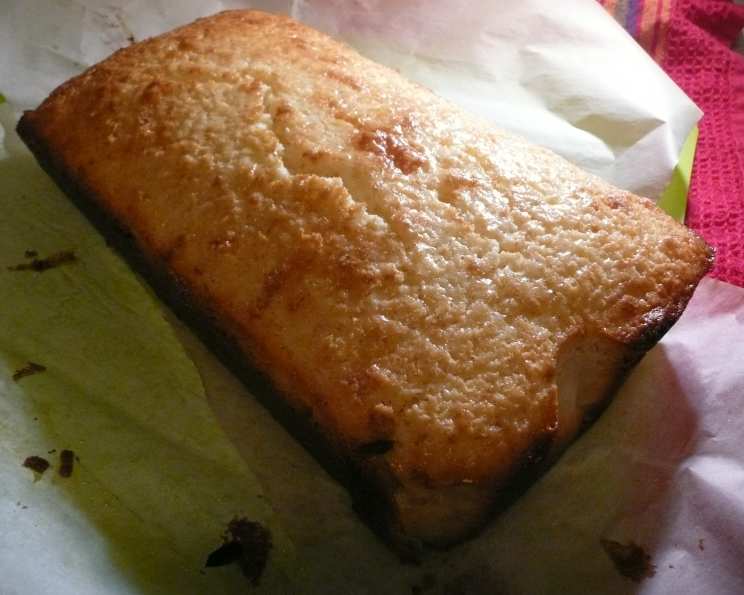
Salvadorian Quesadilla Cake: A Taste of Home
The aroma of Salvadorian Quesadilla Cake instantly transports me back to my childhood. I remember afternoons spent in my Abuela’s kitchen, watching her meticulously measure and mix the ingredients. The subtle sweetness, the hint of saltiness from the Parmesan, and the delicate crumb made it unlike any other cake I’d ever tasted. It was always served with a steaming cup of strong coffee, the perfect accompaniment to a sweet memory in the making. This recipe is a cherished piece of my heritage, and I’m thrilled to share it with you.
Recipe Overview
- Prep Time: 20 minutes
- Cook Time: 30-40 minutes
- Total Time: 50-60 minutes
- Servings: 8-12
- Yield: 1 loaf cake
- Dietary Type: Not Gluten-Free
Ingredients
- 1 ¾ cups sifted cake flour (not self-rising, sift before measuring)
- 1 teaspoon baking powder
- ¼ teaspoon salt
- ½ cup unsalted butter, softened
- ¾ cup sugar
- 2 large eggs, at room temperature for 30 minutes
- 3 tablespoons sour cream
- ½ ounce finely grated Parmesan cheese
- ½ cup whole milk
- 1 teaspoon sesame seeds (optional)
Equipment Needed
- 9×5 inch loaf pan
- Parchment paper
- Electric mixer
- Whisk
- Mixing bowls
- Wooden pick or skewer
Instructions
- Begin by preheating your oven to 400°F (200°C) with the rack positioned in the middle. This ensures even baking and prevents the cake from burning on the bottom.
- Prepare your 9×5 inch loaf pan by lining the bottom and sides with parchment paper. This will make it easy to remove the cake once it’s baked and prevent sticking. Ensure the parchment paper overhangs slightly on the sides for easy lifting.
- In a medium-sized mixing bowl, whisk together the sifted cake flour, baking powder, and salt. Sifting the flour is crucial for achieving a light and airy texture in the final cake. Set this mixture aside.
- In a separate, larger mixing bowl, cream together the softened unsalted butter and sugar using an electric mixer at medium-high speed. Beat until the mixture is pale and fluffy, about 1 minute. This process incorporates air into the batter, which is essential for creating a tender crumb.
- Add the eggs, one at a time, beating well after each addition. Make sure the eggs are at room temperature, as this helps them emulsify properly with the butter and sugar. Incorporate the sour cream and finely grated Parmesan cheese. The Parmesan cheese adds a unique savory note that balances the sweetness of the cake.
- Reduce the mixer speed to low and gradually mix in the whole milk. This will help to create a smooth and consistent batter.
- Slowly add the flour mixture to the wet ingredients, mixing until just combined. Be careful not to overmix, as this can develop the gluten in the flour and result in a tough cake. Mix only until the flour disappears into the wet ingredients.
- Transfer the batter to the prepared loaf pan and smooth the top with a spatula or spoon. This will ensure even baking and a consistent shape.
- If desired, sprinkle the top of the cake with sesame seeds. The sesame seeds add a subtle nutty flavor and a visually appealing touch to the finished cake.
- Bake in the preheated oven until a wooden pick or skewer inserted into the center of the cake comes out clean, approximately 30 to 40 minutes. Start checking for doneness around 30 minutes to prevent overbaking.
- Once baked, cool the cake in the pan for 20 to 30 minutes. This allows the cake to set slightly and makes it easier to remove from the pan without breaking.
- After the initial cooling period, gently turn the cake out onto a wire rack to cool completely. Serve the cake slightly warm or at room temperature for the best flavor and texture.
Expert Tips & Tricks
- Room Temperature is Key: Ensure your butter and eggs are at room temperature for better emulsification and a smoother batter. Take the eggs out of the fridge about 30 minutes before starting.
- Don’t Overmix: Overmixing the batter develops gluten, resulting in a tougher cake. Mix until just combined.
- Parmesan Finesse: Use a high-quality, finely grated Parmesan for the best flavor. Avoid using pre-shredded Parmesan, as it often contains cellulose and doesn’t melt as well.
- Parchment Paper Hack: For perfectly lined pan corners, lightly dampen the parchment paper before pressing it into the pan. It will mold much easier.
- Even Baking: To ensure even baking, rotate the loaf pan halfway through the baking time.
- Sour Cream Substitute: If you do not have sour cream at hand, you can substitute it for plain Greek yogurt.
Serving & Storage Suggestions
Salvadorian Quesadilla Cake is delicious served slightly warm or at room temperature. It pairs perfectly with a cup of coffee or tea, making it an ideal breakfast treat or afternoon snack. You can also serve it with a dollop of whipped cream or a scoop of vanilla ice cream for a more decadent dessert.
To store, wrap the cake tightly in plastic wrap or place it in an airtight container. It will keep at room temperature for up to 3 days. For longer storage, you can refrigerate the cake for up to a week. To freeze, wrap the cake tightly in plastic wrap and then in aluminum foil. It can be frozen for up to 2 months. Thaw overnight in the refrigerator before serving. Reheat individual slices in the microwave or oven for a warm treat.
Nutritional Information
| Nutrient | Amount per Serving | % Daily Value |
|---|---|---|
| Calories | 327.9 kcal | N/A |
| Calories from Fat | N/A | N/A |
| Total Fat | 14.9 g | 23% |
| Saturated Fat | 8.9 g | 44% |
| Cholesterol | 88.4 mg | 29% |
| Sodium | 173.3 mg | 7% |
| Total Carbohydrate | 43.3 g | 14% |
| Dietary Fiber | 0.5 g | 2% |
| Sugars | 19.8 g | N/A |
| Protein | 5.5 g | 10% |
Note: Nutritional information is an estimate and may vary based on specific ingredients and portion sizes.
Variations & Substitutions
- Gluten-Free Option: Substitute the cake flour with a gluten-free all-purpose flour blend. You may need to add a binding agent like xanthan gum to improve the texture.
- Citrus Zest: Add the zest of one lemon or orange to the batter for a bright and citrusy twist.
- Spiced Cake: Incorporate ½ teaspoon of ground cinnamon or nutmeg for a warm and comforting flavor.
- Nutty Addition: Add ½ cup of chopped nuts, such as walnuts or pecans, to the batter for added texture and flavor.
- Cheese Variation: Experiment with different types of hard cheeses, such as Pecorino Romano or Asiago, in place of the Parmesan.
FAQs (Frequently Asked Questions)
Q: Can I use self-rising flour instead of cake flour and baking powder?
A: No, cake flour has a lower protein content than all-purpose flour and creates a more tender cake. Self-rising flour contains salt and baking powder, so you’d need to adjust the recipe, but the texture won’t be the same.
Q: Can I make this cake ahead of time?
A: Yes, this cake can be made a day or two in advance. Store it tightly wrapped at room temperature or in the refrigerator.
Q: What if I don’t have sour cream?
A: You can substitute the sour cream with plain Greek yogurt for a similar tangy flavor and moist texture.
Q: Can I use salted butter instead of unsalted butter?
A: If you use salted butter, reduce the amount of salt in the recipe to 1/8 teaspoon to avoid an overly salty cake.
Q: How do I prevent the cake from sticking to the pan even with parchment paper?
A: Lightly grease the loaf pan with butter or cooking spray before lining it with parchment paper for extra insurance against sticking.
Final Thoughts
This Salvadorian Quesadilla Cake is more than just a recipe; it’s a slice of my heart and a connection to my roots. I encourage you to try this recipe and experience the unique flavors and textures for yourself. Feel free to experiment with variations and substitutions to create your own signature version. Share your creations and feedback with me – I’d love to hear how it turns out! Enjoy this delightful treat with a warm cup of coffee or your favorite beverage and savor the simple pleasures of homemade goodness.