
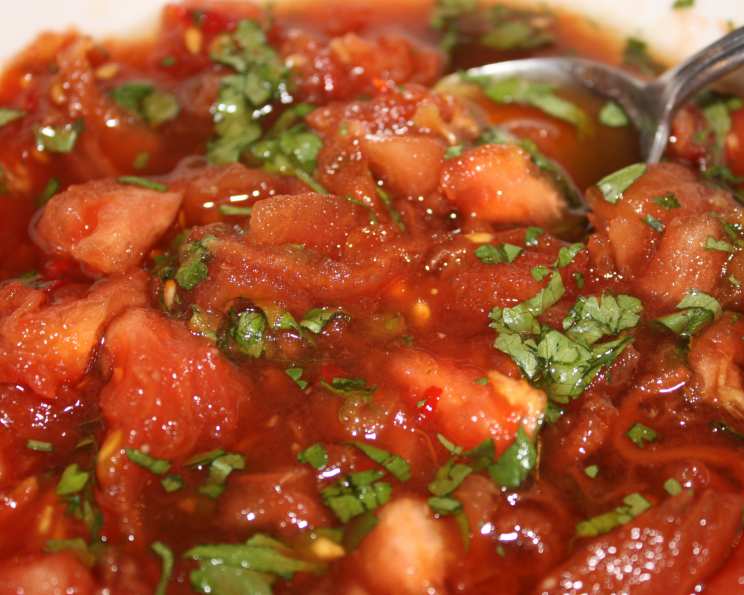
Sambal Salamat: A Taste of Indonesian Sunshine
I’ll never forget my first trip to Indonesia. The vibrant markets, the fragrant spices hanging in the air, and the sheer variety of flavors were intoxicating. But what truly captured my heart was the ubiquitous presence of sambal. Each restaurant, each roadside stall, had its own unique version, a fiery condiment designed to awaken the palate. One particular memory stands out: a small family-run warung in Bali, where the matriarch served a simple yet unforgettable dish of grilled fish with a side of bright red, explosively flavorful sambal. It was called “Sambal Salamat,” and it instantly became my favorite. I’ve spent years trying to recreate that taste, and this recipe is the closest I’ve come – a vibrant and versatile condiment that brings a little bit of Indonesian sunshine to any table.
Recipe Overview
- Prep Time: 15 minutes
- Cook Time: None
- Total Time: 2 hours 15 minutes (including marinating)
- Servings: Variable, approximately ½ cup
- Yield: ½ cup
- Dietary Type: Vegan
Ingredients
- 3 ripe tomatoes
- ½ teaspoon salt
- 1 teaspoon chili sauce (e.g., Sriracha, sambal oelek – adjust to taste for heat)
- 4 tablespoons nam pla (fish sauce – can substitute with soy sauce for a vegetarian/vegan version)
- 1 tablespoon fresh cilantro, chopped finely
Equipment Needed
- Knife
- Cutting board
- Mixing bowl
Instructions
- Begin by preparing the tomatoes. First, you’ll need to deskin and deseed them. The easiest way to deskin tomatoes is to score an “X” on the bottom of each tomato, then briefly submerge them in boiling water for about 30 seconds. Immediately transfer them to an ice bath. The skin should now peel off easily.
- Once the tomatoes are skinned, cut them in half and scoop out the seeds with a spoon.
- Chop the remaining tomato flesh very finely. The smaller the pieces, the better the texture of the final sambal. Aim for a fine dice, almost a paste.
- Place the chopped tomatoes into a mixing bowl.
- Add the remaining ingredients to the bowl: salt, chili sauce, and nam pla.
- Mix all the ingredients thoroughly until well combined. Ensure the salt dissolves evenly.
- Finally, stir in the fresh cilantro.
- Cover the bowl and allow the sambal to marinate in the refrigerator for a minimum of two hours before serving. This allows the flavors to meld and intensify. Longer marinating times (up to overnight) are even better.
Expert Tips & Tricks
- Tomato Selection: The quality of your tomatoes will significantly impact the flavor of the sambal. Choose ripe, flavorful tomatoes, preferably those with a balance of sweetness and acidity. Heirloom varieties are excellent if available.
- Heat Level: The amount of chili sauce can be adjusted to your liking. Start with 1 teaspoon and add more gradually, tasting as you go, until you reach your desired level of spiciness. If you’re using a particularly potent chili sauce, use it sparingly.
- Nam Pla Substitute: For a vegetarian or vegan version, substitute the nam pla (fish sauce) with an equal amount of good-quality soy sauce. You can also add a pinch of dried seaweed powder or a few drops of mushroom broth to enhance the umami flavor that the fish sauce provides.
- Cilantro Alternative: If you dislike cilantro, you can substitute it with other fresh herbs like Thai basil or mint. However, cilantro provides a distinctive flavor that complements the other ingredients beautifully.
- Texture Adjustment: If you prefer a smoother sambal, you can blend the ingredients in a food processor after marinating. Pulse the mixture until it reaches your desired consistency. Be careful not to over-process it, as this can make it too watery.
- Flavor Enhancement: A squeeze of lime juice just before serving can brighten up the flavors and add a touch of acidity.
Serving & Storage Suggestions
Sambal Salamat is incredibly versatile and can be used as a condiment for a wide variety of dishes. It pairs perfectly with grilled meats, fish, tofu, vegetables, and rice. Use it as a dipping sauce, a marinade, or a topping for your favorite meals. It’s also delicious mixed into noodles or added to soups and stews for an extra kick.
Store leftover sambal in an airtight container in the refrigerator. It will keep for up to 5 days. The flavors will continue to develop over time, so it may taste even better on the second or third day. However, be mindful of potential spoilage and discard if you notice any off-odors or discoloration. This sambal is best served cold or at room temperature.
Nutritional Information
Note: Nutritional information is an estimate and may vary based on specific ingredients used.
| Nutrient | Amount per Serving (estimated) | % Daily Value |
|---|---|---|
| Calories | 30 kcal | 2% |
| Total Fat | 0.5g | 1% |
| Saturated Fat | 0.1g | 1% |
| Cholesterol | 0mg | 0% |
| Sodium | 600mg | 26% |
| Total Carbohydrate | 5g | 2% |
| Dietary Fiber | 1g | 4% |
| Sugars | 3g | – |
| Protein | 1g | 2% |
Variations & Substitutions
- Spicier Sambal: Add a finely chopped bird’s eye chili or serrano pepper to the mixture for a significant increase in heat. Remember to handle chilies with care and avoid touching your eyes.
- Sweeter Sambal: Add a small amount of brown sugar or honey to balance the spiciness and acidity. Start with a teaspoon and adjust to taste.
- Sambal Terasi (with Shrimp Paste): For a more authentic Indonesian flavor, add a small amount (about ½ teaspoon) of terasi (shrimp paste) that has been toasted in a dry pan until fragrant. This adds a pungent, umami-rich flavor that is characteristic of many Indonesian sambals. Be aware that shrimp paste has a strong aroma, so use it sparingly.
- Sambal Bajak (Fried Sambal): This variation involves frying the sambal ingredients in oil until softened and caramelized. Heat 2 tablespoons of oil in a pan and sauté the chopped tomatoes, chili sauce, and other ingredients until the tomatoes break down and the mixture thickens.
- Use different types of Chili: Experiment with different types of chilies, like Jalapeño, Cayenne, or Habanero to create different levels of heat and flavors.
FAQs (Frequently Asked Questions)
Q: Can I use canned tomatoes if fresh tomatoes are not available?
A: While fresh tomatoes are preferred for their flavor and texture, you can use canned diced tomatoes in a pinch. Drain them well before chopping.
Q: How long does Sambal Salamat last in the refrigerator?
A: Properly stored in an airtight container, Sambal Salamat can last for up to 5 days in the refrigerator.
Q: Can I freeze Sambal Salamat?
A: Freezing is not recommended, as it can alter the texture of the tomatoes and herbs, making the sambal watery upon thawing.
Q: What can I serve with Sambal Salamat?
A: Sambal Salamat is a versatile condiment that pairs well with grilled meats, fish, tofu, vegetables, rice, noodles, and soups.
Q: How can I make this sambal less spicy?
A: Reduce the amount of chili sauce or remove the seeds from the chilies if you’re using fresh ones. You can also add a touch of sugar to balance the spiciness.
Final Thoughts
I truly hope you’ll give this Sambal Salamat recipe a try. It’s a simple yet incredibly rewarding dish that captures the vibrant flavors of Indonesia. Feel free to experiment with different variations and adjust the ingredients to your liking. Whether you’re grilling up some chicken, pan-frying some tofu, or simply looking for a way to spice up your rice, this sambal is sure to add a touch of sunshine to your plate. And, if you happen to stumble upon a small family-run warung in Bali, be sure to ask for their secret recipe – you never know what culinary treasures you might discover! Don’t hesitate to share your own variations and experiences – I always love hearing how people adapt recipes to suit their own tastes.