
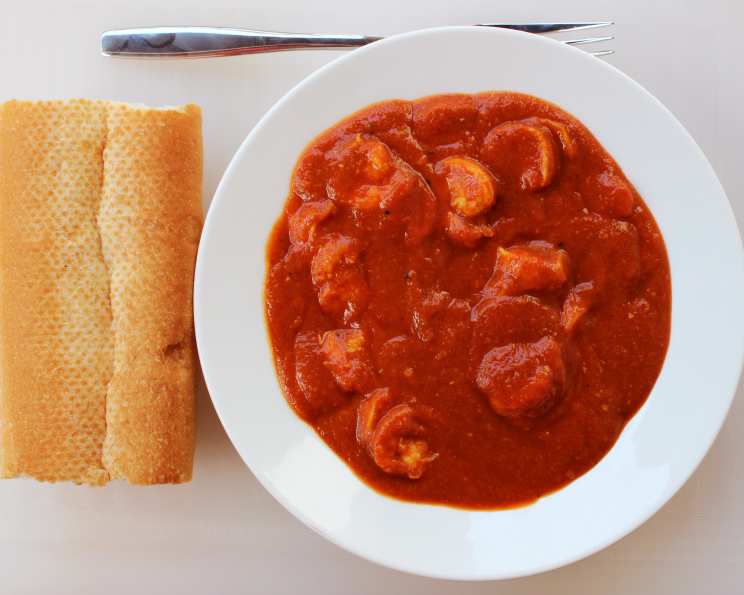
Sambal Udang: A Fiery Prawn Delight
The memory of my grandmother’s kitchen is forever intertwined with the aroma of chilies sizzling in oil, a fragrant symphony that always announced the imminent arrival of Sambal Udang. As a child, I’d perch on a stool, mesmerized by the way she transformed simple ingredients into a vibrant tapestry of flavors, her movements as fluid and practiced as a seasoned dancer. The intense heat would make my eyes water, but the promise of those succulent prawns, coated in the fiery, sweet, and tangy sambal, kept me rooted to the spot, eagerly anticipating the first bite.
Recipe Overview
- Prep Time: 20 minutes
- Cook Time: 25 minutes
- Total Time: 45 minutes
- Servings: 4
- Yield: Approximately 2 cups
- Dietary Type: Not suitable for vegetarians
Ingredients
- 10 shallots, peeled and chopped
- 4 fresh cayenne peppers, chopped
- 4 Thai red chili peppers, chopped
- 5 garlic cloves, chopped
- 1 stalk lemongrass, finely sliced
- 2 teaspoons chili powder
- 1 teaspoon turmeric
- 1 teaspoon shrimp paste
- 1 1⁄2 teaspoons lemon juice
- 1 1⁄2 tablespoons olive oil
- 1 teaspoon salt
- 300 g condensed tomato soup
- 300 g prawns, peeled and deveined
Equipment Needed
- Blender or food processor
- Large frying pan or wok
- Small frying pan
Instructions
-
Prepare the Sambal Paste: In a blender or food processor, combine the shallots, cayenne peppers, Thai red chili peppers, garlic cloves, lemongrass, chili powder, turmeric, shrimp paste, and lemon juice. Blend until you achieve a smooth paste. If the mixture is too thick, add a little olive oil, one teaspoon at a time, to help it blend properly. Be careful not to add too much oil, as this can affect the final flavor.
-
Cook the Sambal: Heat the olive oil in a large frying pan or wok over medium heat. Add the chili mixture and stir-fry for approximately 15 minutes. Stir frequently to prevent sticking and burning. If the mixture becomes too dry during cooking, add a little hot water, one tablespoon at a time, to maintain a manageable consistency. The sambal is ready when it has deepened in color and the raw smell of the ingredients has dissipated, releasing a rich, complex fragrance.
-
Incorporate the Soup: Add the condensed tomato soup to the sambal in the frying pan. Add a further ½ can of water (using the empty soup can as a measure). Mix well to ensure the soup is fully incorporated into the sambal paste.
-
Simmer the Sauce: Bring the mixture to a boil, then reduce the heat to low and simmer for 10 minutes, stirring occasionally. This allows the flavors to meld together and the sauce to thicken slightly.
-
Cook the Prawns: While the sambal is simmering, heat a little olive oil in a small frying pan over medium-high heat. Add the prawns and stir-fry for about 2 minutes, or until they turn pink and opaque. Be careful not to overcook the prawns, as they can become rubbery.
-
Combine and Serve: Add the cooked prawns to the sambal in the larger frying pan. Mix well to coat the prawns evenly with the sauce. Season with a little freshly ground black pepper to taste.
-
Serve immediately with fresh French bread for dipping and soaking up the delicious sambal sauce.
Expert Tips & Tricks
- Spice Level Adjustment: For a milder sambal, reduce the number of cayenne and Thai chili peppers. For a fierier kick, add more or use hotter varieties like bird’s eye chilies. Remember to handle chilies with care, wearing gloves if necessary, and avoid touching your eyes.
- Shrimp Paste (Belacan) Quality: The quality of shrimp paste greatly impacts the final taste. Look for a block that is light brown to pinkish in color, with a strong but not overly pungent aroma. Toasting the shrimp paste lightly before blending can enhance its flavor.
- Lemongrass Preparation: To release the most flavor from lemongrass, bruise the stalk by hitting it with the back of a knife before slicing it thinly.
- Blending Assistance: If your blender struggles to create a smooth paste, try adding a small piece of ginger to the mixture. The ginger helps to break down the fibers and aids in the blending process.
- Thickening the Sauce: If your sambal sauce is too thin after simmering, you can thicken it by adding a cornstarch slurry (1 tablespoon cornstarch mixed with 2 tablespoons cold water) to the sauce during the last few minutes of simmering.
- Prawn Cooking: To prevent overcooking the prawns, ensure your pan is hot before adding them. Stir-fry them quickly until they just turn pink and opaque.
Serving & Storage Suggestions
Sambal Udang is best served hot, straight from the pan. Garnish with a sprinkle of fresh cilantro or a few slices of red chili for added visual appeal. It pairs beautifully with crusty bread, steamed rice, or even noodles.
Storage: Leftover Sambal Udang can be stored in an airtight container in the refrigerator for up to 3 days.
Reheating: Reheat gently in a saucepan over low heat, stirring occasionally, until heated through. You may need to add a splash of water to prevent the sauce from drying out. Reheating in the microwave is also possible, but be sure to cover the dish to prevent splattering.
Freezing: While not ideal, Sambal Udang can be frozen for up to 1 month. Be aware that the texture of the prawns may change slightly after freezing and thawing. To freeze, allow the sambal to cool completely, then transfer it to a freezer-safe container. Thaw overnight in the refrigerator before reheating.
Nutritional Information
| Nutrient | Amount per Serving | % Daily Value |
|---|---|---|
| Calories | 226.8 kcal | N/A |
| Calories from Fat | 62 g | 28% |
| Total Fat | 7 g | 10% |
| Saturated Fat | 1 g | 5% |
| Cholesterol | 94.5 mg | 31% |
| Sodium | 1333.3 mg | 55% |
| Total Carbohydrate | 29.5 g | 9% |
| Dietary Fiber | 2.9 g | 11% |
| Sugars | 11.1 g | 44% |
| Protein | 14.8 g | 29% |
Note: Nutritional information is an estimate and may vary based on specific ingredients and preparation methods.
Variations & Substitutions
- Vegetarian Sambal: For a vegetarian version, replace the prawns with firm tofu or tempeh. Ensure the tofu or tempeh is pressed to remove excess water before cooking. Omit the shrimp paste, or substitute with a vegetarian shrimp paste alternative if available.
- Seafood Variations: Try using other seafood such as squid, scallops, or fish fillets instead of prawns. Adjust the cooking time accordingly.
- Sweetness Adjustment: If you prefer a sweeter sambal, add a tablespoon of brown sugar or palm sugar to the sauce during the simmering stage.
- Herbal Infusion: Add fresh herbs like Thai basil or kaffir lime leaves to the sambal for a more aromatic flavor.
- Regional Variations: Explore different regional variations of sambal by incorporating ingredients like candlenuts, galangal, or ginger.
FAQs (Frequently Asked Questions)
Q: Can I make this ahead of time?
A: Yes, you can prepare the sambal paste ahead of time and store it in the refrigerator for up to 2 days. Add the prawns just before serving to prevent them from becoming overcooked.
Q: What if I don’t have all the chili types listed?
A: Feel free to substitute with other chili varieties based on your preference and availability. Just be mindful of the heat level and adjust the quantity accordingly.
Q: Can I use frozen prawns?
A: Yes, frozen prawns can be used. Make sure to thaw them completely and pat them dry before cooking to ensure they brown properly.
Q: Is shrimp paste essential for this recipe?
A: Shrimp paste adds a unique umami flavor to the sambal, but it can be omitted if you don’t have it or prefer not to use it. Consider adding a pinch of salt or a dash of soy sauce to compensate for the missing flavor.
Q: How can I reduce the acidity of the tomato soup?
A: If you find the tomato soup too acidic, you can add a pinch of sugar or a small amount of baking soda to balance the flavors. Start with a small amount and adjust to taste.
Final Thoughts
Sambal Udang is more than just a dish; it’s a journey of flavors, a celebration of vibrant spices, and a reminder of the warmth and love that can be found in a home-cooked meal. I encourage you to embark on this culinary adventure, experiment with the ingredients, and make it your own. Share your creations with loved ones, and don’t hesitate to leave feedback – I’d love to hear about your experiences. Pair this fiery delight with a refreshing glass of iced tea or a crisp white wine for a truly unforgettable meal. Selamat Makan!