
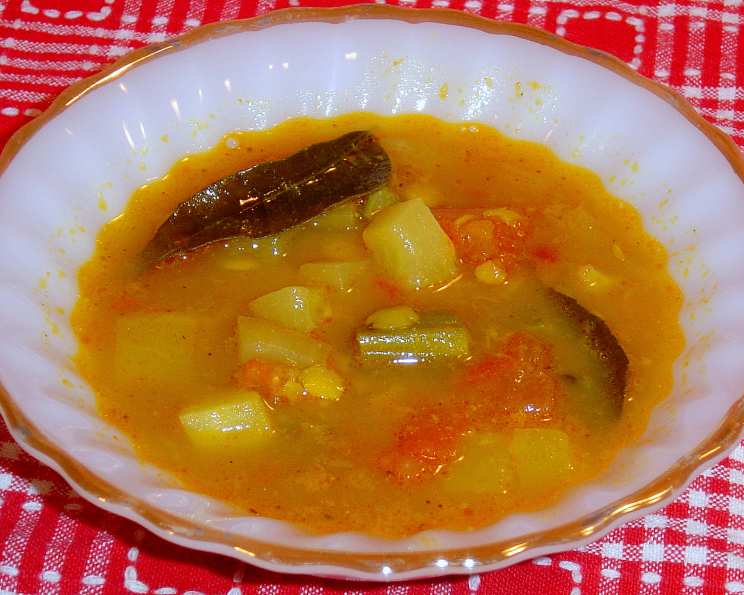
Sambar: A South Indian Culinary Hug
My first encounter with sambar was during a monsoon season trip to Chennai. Huddled in a small, bustling eatery, the aroma of spices and lentils hung heavy in the air. A steaming bowl of sambar, served with fluffy idlis, arrived at my table. The warmth, the tangy depth, and the comforting blend of vegetables were a revelation. Each spoonful was like a vibrant story, a testament to the simple magic of South Indian cooking. To this day, the memory of that rainy day and that perfect bowl of sambar remains a culinary beacon, a reminder of the power of food to transport and comfort.
Recipe Overview
- Prep Time: 20 minutes
- Cook Time: 1 hour
- Total Time: 1 hour 20 minutes
- Servings: 6-8
- Yield: Approximately 8 cups
- Dietary Type: Vegan, Gluten-Free (naturally)
Ingredients
- ½ cup toor dal (dried yellow split peas)
- ¼ teaspoon turmeric
- ¼ teaspoon salt
- 1 pinch asafoetida powder
- 2 cups water
For the Tempering:
- 2 tablespoons mustard oil
- ½ teaspoon cumin seed
- ¼ teaspoon mustard seeds
- ⅛ teaspoon fenugreek seeds
- 10-12 curry leaves
- 4 small dried chilies
- 1 pinch asafoetida powder
For the Sambar:
- 1 cup yellow Indian cucumbers (dosakai) or 1 cup English cucumber, peeled, seeded, and finely chopped
- 1 cup vegetable drumsticks or 1 cup fresh asparagus, cut into finger lengths
- 1 small potato, peeled and finely chopped
- 1 medium tomato, finely chopped
- 2 tablespoons tamarind pulp
- 1 tablespoon sambar masala seasoning (or more, to taste)
Equipment Needed
- Medium saucepan
- Small sauté pan
- Sieve
- Spoon
Instructions
-
Cook the Dal: In a medium saucepan, combine the toor dal, turmeric, salt, asafoetida powder, and water. Bring the mixture to a boil over medium-high heat. Once boiling, reduce the heat to low and simmer for about 30-45 minutes, or until the dal is completely cooked and softened. Add more water if the liquid evaporates during cooking; the consistency should be like a thick soup.
-
Prepare the Tempering: While the dal is cooking, prepare the tempering. In a small sauté pan, heat the mustard oil over medium heat. Once the oil is hot, add the cumin seeds, mustard seeds, and fenugreek seeds. Sauté until the mustard seeds begin to sputter, which indicates that the spices are releasing their aroma.
-
Add Aromatics: Add the curry leaves and dried chilies to the pan. Continue to sauté until the curry leaves begin to sputter and become fragrant, about 30 seconds. Be careful not to burn the spices. Stir in a pinch of asafoetida powder.
-
Incorporate Tempering: Carefully pour the tempering mixture into the cooked dal soup. The mixture will sizzle upon contact. Stir well to incorporate the flavors.
-
Extract Tamarind Pulp: In a separate bowl, mix the tamarind pulp with ½ cup of hot water. Stir well to dissolve the pulp. Using a sieve, strain the tamarind mixture, pressing with the back of a spoon to extract all the pulp and juice. Discard the solids left in the sieve.
-
Add Vegetables and Tamarind: Add the prepared cucumber, drumsticks (or asparagus), potato, and tomatoes to the saucepan with the dal and tempering mixture. Pour the strained tamarind water into the pan. Top up with enough water to cover the vegetables, ensuring they are submerged.
-
Simmer the Sambar: Bring the mixture to a boil over medium-high heat. Once boiling, reduce the heat to low and simmer for about 30 minutes, or until the vegetables are tender. Check the vegetables for doneness with a fork; they should be easily pierced. If using drumsticks, and they are woody, you may discard them before serving.
-
Season to Taste: Stir in the sambar masala seasoning. Add more sambar masala to taste, depending on your preference for spice and flavor intensity. Simmer for another 5 minutes to allow the flavors to meld together. Adjust the amount of water to your desired consistency. The sambar should be neither too thick nor too watery.
-
Final Check and Adjustments: Taste the sambar and adjust the seasoning as needed. Add more salt if necessary. If the sambar is too tart, you can add a pinch of sugar to balance the flavors.
Expert Tips & Tricks
- Toor Dal Preparation: Soaking the toor dal for about 30 minutes before cooking can help reduce cooking time and make it more digestible.
- Vegetable Choices: Feel free to experiment with different vegetables based on seasonal availability and personal preference. Okra, eggplant, and carrots are great additions.
- Tamarind Paste Substitute: If you can’t find tamarind pulp, you can use tamarind paste. Start with 1 tablespoon and adjust to taste.
- Aroma Enhancement: For an extra layer of flavor, add a pinch of freshly grated ginger along with the vegetables.
- Sambar Masala Freshness: Homemade sambar masala has the best flavor. If using store-bought, make sure it’s fresh for optimal taste. You can also dry-roast the spices in the sambar masala for about 2 minutes to enhance its aroma.
Serving & Storage Suggestions
Serve the sambar hot, garnished with fresh cilantro leaves. It pairs perfectly with idli, dosa, vada, or steamed rice. For a complete South Indian meal, serve it alongside coconut chutney and a vegetable side dish.
Storage: Leftover sambar can be stored in an airtight container in the refrigerator for up to 3-4 days. For longer storage, freeze the sambar in portion-sized containers for up to 2 months.
Reheating: To reheat, simply warm the sambar in a saucepan over medium heat, stirring occasionally, until heated through. You may need to add a little water if it has thickened during storage. Alternatively, you can microwave it in a microwave-safe bowl, stirring every minute, until heated through.
Nutritional Information
| Nutrient | Amount per Serving | % Daily Value |
|---|---|---|
| Calories | 134 kcal | 7% |
| Total Fat | 5g | 7% |
| Saturated Fat | 0.6g | 3% |
| Cholesterol | 0mg | 0% |
| Sodium | 105mg | 4% |
| Total Carbohydrate | 18g | 7% |
| Dietary Fiber | 6g | 24% |
| Sugars | 3g | 6% |
| Protein | 5g | 10% |
Note: Nutritional information is an estimate and can vary based on specific ingredients and portion sizes.
Variations & Substitutions
- Gluten-Free: This recipe is naturally gluten-free. Ensure your sambar masala is also gluten-free.
- Vegetable Variations: Use seasonal vegetables like eggplant, okra, radish, or butternut squash.
- Lentil Variations: While toor dal is traditional, you can experiment with other lentils like masoor dal (red lentils) for a slightly different flavor and texture.
- Spicier Sambar: Add more dried chilies to the tempering or increase the amount of sambar masala for a spicier version. A pinch of red chili powder can also be added.
- Coconut Milk Sambar: For a richer and creamier sambar, add ½ cup of coconut milk during the last 10 minutes of simmering.
FAQs (Frequently Asked Questions)
Q: Can I make this sambar in a pressure cooker or Instant Pot?
A: Yes, you can. Cook the dal for 2-3 whistles in a pressure cooker or for 10 minutes on high pressure in an Instant Pot, followed by a natural pressure release. Then, proceed with the tempering and vegetable steps.
Q: What if I can’t find vegetable drumsticks?
A: Fresh asparagus is a great substitute. You can also use green beans or even chopped carrots.
Q: How can I adjust the consistency of the sambar?
A: If the sambar is too thick, add more water. If it’s too thin, simmer it for a few more minutes to allow the liquid to reduce.
Q: Can I prepare the dal ahead of time?
A: Yes, you can cook the dal a day in advance and store it in the refrigerator. This can save time when preparing the rest of the dish.
Q: Is sambar vegan?
A: Yes, this recipe is vegan as it doesn’t contain any animal products.
Final Thoughts
Sambar is more than just a soup; it’s a comforting and nutritious staple of South Indian cuisine. With its vibrant flavors and wholesome ingredients, it’s a dish that nourishes both body and soul. Don’t be intimidated by the list of ingredients – the process is simpler than it seems. I encourage you to try this recipe, experiment with different vegetables, and adjust the spice level to your liking. Once you’ve mastered this classic, you’ll have a versatile dish that’s perfect for breakfast, lunch, or dinner. Share your creations and feedback; I’d love to hear about your sambar journey! Pair this flavorful delight with crisp paper dosas and fragrant coconut chutney for an unforgettable South Indian experience.