
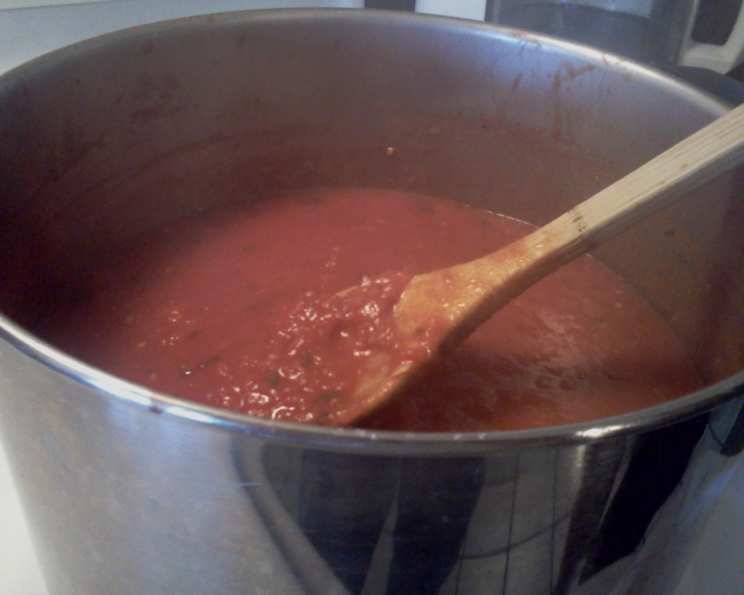
San Marzano Perfect Marinara Sauce Recipe
The aroma of simmering tomatoes, garlic, and basil instantly transports me back to my Nonna’s kitchen. Every Sunday, the air would be thick with the scent of her marinara, a symphony of simple ingredients transformed into something truly magical. I remember standing on a stool next to her, carefully stirring the pot as she told stories of Italy, each one as rich and flavorful as the sauce itself. This recipe, born from those cherished memories, is my attempt to recreate that same feeling, that same comforting taste of home.
Recipe Overview
- Prep Time: 15 minutes
- Cook Time: 1 hour 30 minutes
- Total Time: 1 hour 45 minutes
- Yields: 10-12 cups
- Serves: 12
- Dietary Type: Vegan
Ingredients
- 106 ounces Nina San Marzano Imported Canned Tomatoes (whole or crushed)
- 8 garlic cloves (finely sliced)
- 8 garlic cloves (crushed)
- 20 basil leaves (sliced)
- 1 cup olive oil
- 2 teaspoons sea salt (or to taste)
- splash white wine (optional)
Equipment Needed
- Large Pot
- Potato Masher
- Large Saute Pan
- Garlic Slicer (optional)
- Paring Knife
Instructions
- Begin by carefully opening the Nina San Marzano tomato can. Due to its large size, handle it with care to avoid any spills or accidents. Be mindful of the sharp lid.
- Pour the tomatoes into a large pot. Using a potato masher, gently mash the tomatoes a few times to break them down slightly. Set the pot aside.
- Prepare the garlic. If you have a garlic slicer, use it to create very thin slices of 8 garlic cloves. Alternatively, use a sharp paring knife, taking care to slice them as thinly as possible.
- Grab a fairly large saute pan. Pour about ¼ cup of the olive oil into the pan and heat over medium heat.
- Add the sliced garlic to the heated oil. Saute the garlic until it turns golden brown. It’s crucial to watch the garlic closely as it can burn very quickly. Burnt garlic will impart a bitter taste to the entire sauce, so if it happens, it’s best to start over. Adjust the heat as needed to prevent burning.
- Add the crushed garlic cloves to the pan with the golden-brown sliced garlic. If desired, add a splash of white wine to the pan. Saute for just a few moments longer, allowing the flavors to meld together.
- Remove the saute pan from the heat and carefully pour the garlic mixture into the large pot containing the mashed tomatoes.
- Pour the remaining olive oil (approximately ¾ cup) into the pot with the tomatoes and garlic. Add the sea salt, starting with 2 teaspoons, and adjust to taste as needed.
- Bring the sauce to a simmer over medium-low heat. Once simmering, reduce the heat to low and let it simmer uncovered for approximately 60 to 90 minutes. The sauce will reduce and thicken as it simmers. Stir occasionally to prevent sticking.
- After 60-90 minutes, check the consistency of the sauce. Once the sauce has reduced to your desired thickness, remove the pot from the heat.
- Add the freshly sliced basil leaves to the sauce and stir to incorporate. The heat from the sauce will slightly wilt the basil, releasing its fragrant aroma.
Expert Tips & Tricks
- Garlic is Key: Don’t skimp on the garlic, but be vigilant about not burning it. Golden brown is your goal, not black.
- Low and Slow: Simmering the sauce for an extended period allows the flavors to deepen and meld together. Resist the urge to rush the process.
- Tomato Quality Matters: San Marzano tomatoes are prized for their sweetness and low acidity. If you can’t find Nina brand, look for other reputable brands of San Marzano tomatoes.
- Salt to Taste: Don’t be afraid to adjust the salt level to your preference. Add a little at a time and taste as you go.
- Fresh Basil is a Must: Dried basil simply won’t provide the same vibrant flavor as fresh basil. Add it right at the end to preserve its freshness.
Serving & Storage Suggestions
Serve this San Marzano marinara sauce with your favorite pasta shape, as a base for pizza, or as a dipping sauce for breadsticks. Garnish with a few fresh basil leaves and a drizzle of olive oil for an elegant presentation.
- Storage: Allow the sauce to cool completely before storing.
- Refrigerator: Store in an airtight container in the refrigerator for up to 5 days.
- Freezer: For longer storage, transfer the cooled sauce to freezer-safe containers or freezer bags. It can be frozen for up to 3 months.
- Reheating: Thaw frozen sauce in the refrigerator overnight or use the defrost setting on your microwave. Reheat gently on the stovetop over low heat, stirring occasionally, until heated through.
Nutritional Information
| Nutrient | Amount per Serving | % Daily Value |
|---|---|---|
| Calories | 208.6 kcal | N/A |
| Calories from Fat | N/A | N/A |
| Total Fat | 18.4 g | 28% |
| Saturated Fat | 2.5 g | 12% |
| Cholesterol | 0 mg | 0% |
| Sodium | 746.9 mg | 31% |
| Total Carbohydrate | 11.4 g | 3% |
| Dietary Fiber | 2.7 g | 10% |
| Sugars | 6 g | 24% |
| Protein | 2.3 g | 4% |
Note: Nutritional information is an estimate and may vary based on specific ingredients and preparation methods.
Variations & Substitutions
- Spicy Marinara: Add a pinch of red pepper flakes to the saute pan along with the garlic for a touch of heat.
- Herby Marinara: Experiment with adding other herbs like oregano, thyme, or rosemary. Add them during the simmering process to allow their flavors to infuse the sauce.
- Vegetarian Marinara: Add sautéed vegetables like onions, bell peppers, zucchini, or mushrooms to the sauce for a heartier vegetarian option.
- Tomato Paste Boost: For a richer, more concentrated tomato flavor, add 2-3 tablespoons of tomato paste to the saute pan along with the garlic. Cook for a minute or two to caramelize the paste before adding the tomatoes.
FAQs (Frequently Asked Questions)
Q: Can I use regular canned tomatoes if I can’t find San Marzano tomatoes?
A: While San Marzano tomatoes are preferred for their flavor and texture, you can substitute with another high-quality canned tomato. Be aware that the flavor profile might be slightly different.
Q: Do I have to use fresh basil?
A: Fresh basil is highly recommended for its vibrant flavor. However, if you don’t have fresh basil, you can use dried basil, but use it sparingly (about 1-2 teaspoons) and add it during the simmering process.
Q: How do I fix a marinara sauce that is too acidic?
A: If your sauce is too acidic, you can add a pinch of sugar to balance the flavors. Start with a small amount and taste as you go.
Q: Can I use this marinara sauce for pizza?
A: Absolutely! This marinara sauce makes an excellent base for pizza. Simply spread a thin layer on your pizza dough and add your favorite toppings.
Q: How can I make this sauce smoother?
A: If you prefer a smoother sauce, you can use an immersion blender to blend the sauce after it has simmered. Be careful when blending hot liquids. Alternatively, you can pass the sauce through a food mill.
Final Thoughts
I hope this San Marzano marinara sauce recipe brings as much joy to your kitchen as it has to mine. It’s a simple, yet profoundly satisfying dish that’s perfect for weeknight dinners or special occasions. Don’t hesitate to experiment with the variations and make it your own. And most importantly, enjoy the process of creating something delicious and sharing it with loved ones. Buon Appetito!